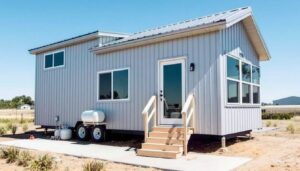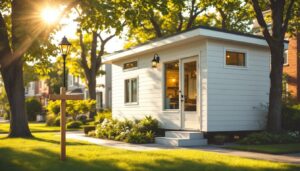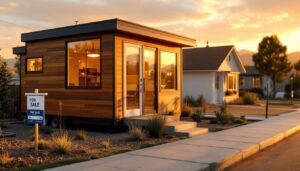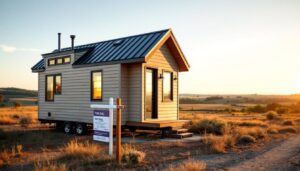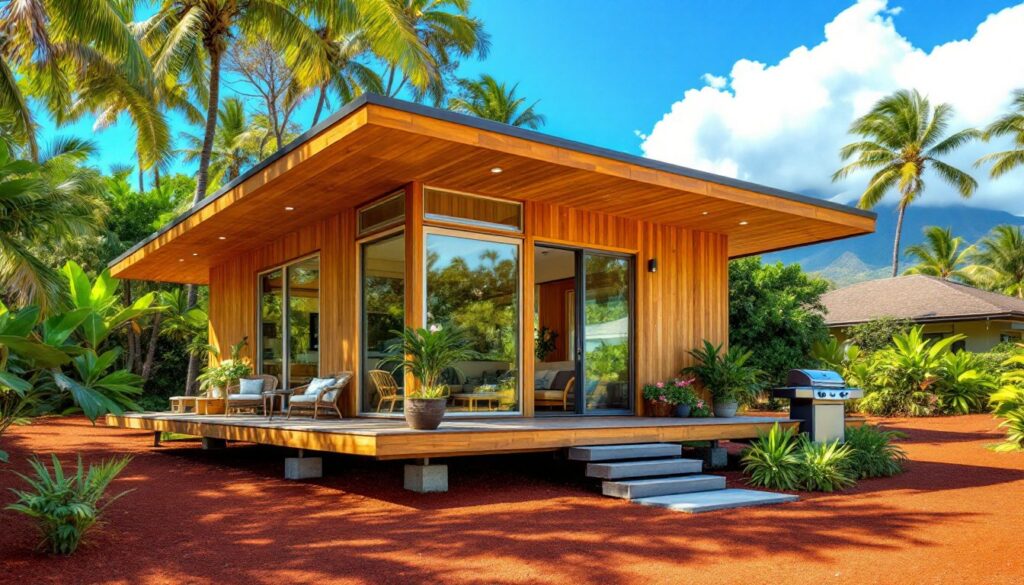
Tiny houses have quietly transformed how people approach homeownership in Hawaii, where land scarcity and rising property costs make traditional single-family homes increasingly out of reach. As of 2026, the tiny house movement has matured beyond a trend, it’s now a practical solution for those seeking affordable, sustainable, and uncomplicated living in the islands. Whether you’re a local priced out of the traditional market, a remote worker relocating to paradise, or simply someone tired of maintaining square footage you don’t need, Hawaii’s tiny house scene offers real pathways to island living. This guide walks you through the realities: the regulations, costs, design strategies, and land options that make tiny houses work in Hawaii’s unique environment.
Table of Contents
ToggleKey Takeaways
- Tiny houses in Hawaii offer an affordable alternative to skyrocketing median home prices, with costs ranging from $150,000 to $400,000 compared to single-family homes exceeding $1 million in Honolulu.
- Zoning regulations vary significantly by county—Honolulu is most restrictive, Maui County has loosened restrictions, and Hawaii County’s agricultural zoning is most permissive for tiny house development.
- Design strategies for Hawaiian tiny homes must prioritize cross-ventilation, marine-grade materials, stainless steel fasteners, and salt-spray-rated paint systems to withstand tropical humidity and salt air.
- Land acquisition is often more challenging than construction; agricultural zones on the Big Island and Maui offer the best opportunities, though owner-occupancy requirements and utility access must be verified beforehand.
- Total project budgets should account for 15–25% higher material costs due to island shipping, steep labor rates ($85–$150 per hour), and essential site work like septic systems and electrical connections.
- Extending living space with lanais (covered porches) and outdoor areas provides functional square footage at a fraction of interior expansion costs while embracing Hawaii’s tropical lifestyle.
Why Tiny Houses Are Gaining Popularity in Hawaii
Hawaii’s housing crisis is no secret. Median home prices have climbed relentlessly, in Honolulu, a median single-family home can exceed $1 million, putting traditional homeownership out of reach for middle-income families. Tiny houses, typically ranging from 400 to 800 square feet, offer an immediate financial reprieve. A well-built tiny home in Hawaii can cost between $150,000 and $400,000 (depending on finishes, land, and location), compared to standard home prices that dwarf that figure.
Beyond affordability, tiny houses align with Hawaii’s environmental values. Smaller footprints mean reduced energy consumption for cooling, critical in a tropical climate, and less resource strain on islands with finite freshwater and landfill capacity. Many tiny house owners in Hawaii embrace solar panels, rainwater collection, and composting systems as natural extensions of the compact lifestyle. The cultural shift also reflects pragmatism: locals recognize that maintaining 3,000 square feet in a humid, salt-air environment requires constant upkeep. A tiny house scales maintenance to reality.
For remote workers and digital nomads, Hawaii’s tiny houses represent lifestyle flexibility. Work from anywhere has made island relocation feasible, and tiny houses mean lower monthly overhead, mortgage, utilities, insurance, freeing up income for travel, family, or savings. Tiny Homes: A Complete Guide to Downsized Living documents how this shift has reshaped demographics across the islands, attracting younger buyers and career-changers who prioritize location and flexibility over square footage.
Hawaii Zoning Laws and Tiny House Regulations
Here’s where reality meets bureaucracy. Hawaii has no statewide tiny house ordinance, which means each county, Hawaii, Maui, Kalawao, and Honolulu, sets its own rules. This fragmentation creates both opportunity and headache.
Honolulu (Oahu) remains the most restrictive. The city requires a minimum lot size of 7,500 square feet for single-family homes in most residential zones, and accessory dwelling units (ADUs) face strict square-footage caps and owner-occupancy requirements. Building a 500-square-foot standalone tiny house typically requires a variance or special permit, which can take months and isn’t guaranteed.
Maui County (Maui, Molokai, Lanai) has loosened restrictions slightly. ADUs up to 1,000 square feet are permitted on agricultural and residential lots, though owner-occupancy is still often mandatory. Hawaii County (Big Island) is arguably the most permissive, agricultural zoning allows small residential structures with fewer barriers, making it popular with tiny house builders.
Island-Specific Building Codes
All counties must follow the International Building Code (IBC) adapted for Hawaii. Key requirements include:
- Wind resistance: Structures must withstand 110 mph winds (Oahu/Maui) to 130 mph (Big Island), significantly higher than mainland codes. This affects roof design, fastening schedules, and material selection.
- Rain and salt-air durability: Hawaii Adopted Building Code (HABC) requires corrosion-resistant fasteners, treated lumber, and paint systems rated for marine environments.
- Setbacks and lot coverage: Vary by zone and county. ADUs often must be set back 20 feet from property lines and can’t exceed 35–50% of lot coverage.
- Permits and inspections: Even small structures require building permits. Expect 4–12 weeks for permit processing, plus foundation, framing, electrical, and final inspections. Skipping this invites fines and complications when selling.
Bottom line: Talk to your county’s planning department early. Rules change, and local administrators interpret codes differently. What works on one island may not work on another.
Cost Considerations and Affordability
Affordability is tiny houses’ biggest draw, but Hawaii’s prices deserve context. Material costs are 15–25% higher than the mainland due to shipping and limited suppliers. Labor rates are steep, electricians and plumbers in Honolulu command $85–$150 per hour. If you’re building or renovating, budget accordingly.
A typical tiny house project in Hawaii breaks down like this:
- Land: $100,000–$400,000+ (varies wildly by island and zone)
- Construction labor and materials: $100–$200 per square foot (total-build range: $40,000–$160,000 for a 400–800 sq ft structure)
- Permits and professional fees: $3,000–$8,000
- Utilities and site work: $10,000–$30,000 (septic, water systems, electrical connections)
Total project cost: roughly $150,000–$400,000 depending on scope and location. For comparison, renting a one-bedroom apartment on Oahu runs $1,800–$2,500 monthly. A mortgage on a $200,000 tiny house (at 6.5% interest, 30-year term) costs around $1,260 monthly, a significant but achievable difference for many buyers.
Tax incentives help. Hawaii offers property tax breaks for owner-occupied residences, though rates vary by county. Some counties provide rebates for solar installation, further offsetting long-term energy costs. Don’t assume financing is simple: traditional lenders are cautious about tiny homes, and some require manufactured-home classifications. Credit unions and specialized lenders (focused on alternative housing) are often more flexible.
Rent-to-own and land-leasing models have also emerged. Some local developers offer tiny homes on leased agricultural land, reducing upfront costs but limiting equity and long-term flexibility.
Design Ideas for Hawaiian Tiny Homes
Designing for Hawaii isn’t just aesthetics, it’s physics and climate response. Tropical heat, humidity, and salt air demand purposeful choices.
Ventilation and airflow come first. Cross-ventilation (openings on opposite sides) is non-negotiable. Large operable windows, clerestory vents, and screened porches allow trade winds to flow through, reducing air-conditioning reliance. Overhanging eaves (24–36 inches) shade windows without blocking breezes.
Materials matter. Avoid plywood and particleboard indoors, humidity will warp them. Opt for marine-grade plywood, solid wood, or fiber-cement boards. Fasteners must be stainless steel or hot-dipped galvanized: even “weather-resistant” steel will rust in months. Paint systems should be rated for salt spray (ASTM B117 standard). Tropical wood species (like ipe or cumaru) resist rot naturally but are expensive.
Moisture control prevents mold. Vapor barriers, adequate drainage, and dehumidification (passive airflow plus low-cost units) are worth the investment. Many tiny homes incorporate open shelving and minimal cabinets, fewer closed spaces for moisture to hide.
Tropical-Inspired Interiors and Outdoor Living
Tiny houses thrive when the distinction between inside and outside blurs. Lanais (covered porches) and small decks extend usable space without adding heated square footage. A 8×12 lanai costs $5,000–$15,000 but effectively doubles functional living area at a fraction of interior expansion cost.
Interior finishes play to the environment. Light colors reflect heat: bamboo and rattan add texture without bulk: indoor plants improve air quality and humidity. Avoid heavy rugs and dark fabrics that trap moisture. Storage must be vertical: lofted beds, wall-mounted shelves, and built-in cabinetry maximize square footage. Tiny Homes Examples: Creative Designs for Compact Living showcase successful strategies, tall ceilings (9–10 feet) feel less cramped, and sliding barn doors save swing space compared to traditional hinged doors.
Kitchens are tight but functional. A galley layout (two parallel counters) is standard: avoid islands that eat space. Multi-use surfaces, a narrow prep counter that doubles as a small dining bar, are smart compromises. Outdoor cooking (a simple grill or hotplate in the lanai) reduces kitchen demand and aligns with island lifestyle.
Color and light matter psychologically in small spaces. Cool tones (soft blues, greens) and white walls reflect light and feel airy. Skylights and large windows keep square footage from feeling cave-like. One designer trick: continuous flooring (same material throughout) erases visual boundaries, making 500 square feet feel more open.
Land Options and Location Guide
Finding land is often harder than building the house. Hawaii’s real estate market is tight, and parcels zoned for tiny houses are rare.
Agricultural land offers the best opportunity, especially on the Big Island and Maui. Ag zones often allow residential use and have fewer lot-size minimums. The catch: you may be required to farm (or claim agricultural use) to keep property taxes low. This doesn’t mean subsistence farming, beekeeping, nursery plants, or even an orchard of a few fruit trees can satisfy the requirement. Verify tax implications with your county assessor before buying.
Residential subdivisions marketed specifically for tiny homes are emerging. A few communities on the Big Island and Maui offer pre-approved lots (5,000–10,000 sq ft) with utilities in place, eliminating years of permitting hassle. Prices are higher ($150,000–$250,000+ per lot) but certainty has value.
Ohana lot situations (adding an ADU to an existing residential property) attract investors. If you know someone with land, an ADU can be cheaper and faster to permitting. Owner-occupancy requirements vary by county, some demand that you or an immediate family member live in one unit, others don’t.
Coastal and scenic areas carry premiums and often stricter regulations. Avoid. Go inland for affordability and faster permitting. A modest view from a Big Island property costs exponentially less than an ocean-view lot on Oahu.
Connect with local networks. Real estate agents unfamiliar with tiny houses may overlook suitable properties. Seek agents who specialize in alternative housing, or contact county planning departments, staff can suggest approved subdivisions and developers. How to Build a Tiny Home: A Complete Beginner’s Guide includes worksheets for evaluating land prospects, including utility proximity, flood/tsunami zones, and solar exposure.
Once you’ve identified land, hire a surveyor ($400–$800) to confirm boundaries and verify no encroachments. Check if the lot is in a flood zone (FEMA mapping), tsunami runup zone (Big Island and Maui are at risk), or near active geothermal areas. These affect insurance and resale. Finally, verify utility access, well water? Septic? Electrical line proximity? A $15,000 well or septic system isn’t optional, and extending power or water can cost thousands per hundred feet.
Bringing It Together: Your Hawaiian Tiny House Path
Tiny houses in Hawaii aren’t a shortcut to homeownership, they’re a deliberate choice with real rewards. Affordability, sustainability, and lifestyle freedom attract newcomers and locals alike. Success requires honest assessment of regulations in your chosen county, realistic budgeting for Hawaii’s material and labor costs, and design choices that respect the tropical climate. Start with your county planning department, connect with builders or developers experienced in tiny homes, and don’t rush land acquisition. The right property, paired with thoughtful design and professional permitting, makes island tiny living not just feasible but genuinely fulfilling.