The best tiny homes offer freedom, affordability, and a simpler way of life. In 2025, more people are choosing compact living spaces that prioritize quality over square footage. Whether someone wants a prefab model delivered to their property or a custom build that fits their exact vision, there’s a tiny home for every budget and lifestyle. This guide breaks down the top options available today, from high-end prefabs to budget-friendly starter homes.
Table of Contents
ToggleKey Takeaways
- The best tiny homes prioritize smart design, durable construction, and energy efficiency over raw square footage.
- Prefab tiny homes like BOXABL Casita and Escape Traveler offer convenience and faster delivery timelines, typically within 8 to 16 weeks.
- Custom-built tiny homes provide complete design control but require longer timelines (4–8 months) and a 15% budget contingency.
- Budget-friendly options include shell kits starting at $10,000, DIY builds from $15,000–$35,000, and used tiny homes at 30–50% below new prices.
- When choosing a tiny home, focus on structural quality and practical features first—then upgrade finishes over time.
- Financing has become more accessible through credit unions, personal loans, and lenders like Lightstream and SoFi.
What Makes a Great Tiny Home
A great tiny home balances smart design with practical features. Size matters, but layout matters more. The best tiny homes use every square foot efficiently, with multi-purpose furniture and clever storage solutions.
Construction quality separates good tiny homes from great ones. Buyers should look for durable materials like steel framing, high-grade insulation, and weather-resistant exteriors. These features ensure the home lasts for decades, even in harsh climates.
Energy efficiency is another key factor. Many of the best tiny homes in 2025 include solar panel compatibility, tankless water heaters, and LED lighting. These additions reduce utility costs and environmental impact.
Mobility also plays a role for some buyers. Tiny homes on wheels offer flexibility, while foundation-based models provide permanence. The right choice depends on lifestyle and local zoning laws.
Finally, aesthetics count. Modern tiny homes come in styles ranging from rustic cabin to sleek contemporary. The exterior should match personal taste, but interior flow and natural lighting often determine day-to-day satisfaction.
Top Prefab Tiny Homes to Consider
Prefab tiny homes offer convenience and predictable pricing. Manufacturers build these homes in controlled factory settings, then deliver them ready to occupy or with minimal assembly required.
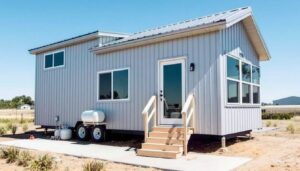
Escape Traveler stands out as one of the best tiny homes for those who value mobility. This model features 269 square feet of living space, a full kitchen, and a sleeping loft. Prices start around $70,000, and buyers can customize finishes before delivery.
BOXABL Casita has gained attention for its innovative folding design. The 375-square-foot unit ships flat and unfolds on-site in about an hour. It includes a full bathroom, kitchen, and living area. Starting at approximately $50,000, it represents strong value among prefab options.
Tumbleweed Tiny House Company offers several models worth considering. Their Cypress series provides up to 336 square feet with thoughtful design touches like vaulted ceilings and large windows. Base prices range from $65,000 to $90,000 depending on configuration.
Amazon Tiny Homes have also entered the market. Various manufacturers sell small prefab units through the platform, with prices starting as low as $20,000. Quality varies significantly, so buyers should research specific brands and read reviews carefully.
Prefab tiny homes work best for buyers who want a faster timeline. Most orders arrive within 8 to 16 weeks, compared to months for custom builds.
Custom-Built Tiny Home Options
Custom-built tiny homes give buyers complete control over design. This route suits people with specific needs or those building on unusual lots.
Hiring a tiny home builder allows for personalized floor plans. Someone who works from home might prioritize office space. A couple might want a larger kitchen for entertaining. Custom builds accommodate these preferences.
Mint Tiny Homes in British Columbia ships custom builds throughout North America. Their homes feature high-end finishes and attention to detail. Prices typically range from $80,000 to $150,000 depending on size and specifications.
Liberation Tiny Homes in Pennsylvania focuses on handcrafted quality. Each build takes approximately three months. Their models include features like composting toilets, rainwater collection systems, and off-grid electrical setups.
Local contractors also build tiny homes in many regions. Working with someone nearby simplifies communication and allows for site visits during construction. Expect to pay $150 to $300 per square foot for quality custom work.
The main drawback of custom tiny homes is timeline. Most projects take four to eight months from contract signing to completion. Budget overruns happen more often with custom builds, so buyers should include a 15% contingency in their planning.
Even though the challenges, custom-built tiny homes often become the best tiny homes for their owners because every detail reflects their priorities.
Budget-Friendly Tiny Homes for First-Time Buyers
First-time buyers can find excellent tiny homes without spending six figures. Several options make compact living accessible at lower price points.
Shell kits offer the most affordable entry point. Companies like Jamaica Cottage Shop and Summerwood Products sell unfinished structures starting around $10,000. Buyers complete the interior themselves, which requires time and basic construction skills but saves thousands.
DIY tiny home plans cost even less upfront. Detailed blueprints from designers like Ana White or Tiny House Design run between $200 and $1,000. Total material costs for a DIY build typically range from $15,000 to $35,000.
Used tiny homes represent another budget-friendly path. Platforms like Tiny House Listings and Facebook Marketplace feature pre-owned homes regularly. Buyers can find well-maintained units for 30% to 50% below new prices.
Financing options have expanded in recent years. Some credit unions now offer tiny home loans, and personal loans work for smaller purchases. Lightstream and SoFi both provide unsecured loans that can fund tiny home purchases.
For buyers on tight budgets, the best tiny homes are often the simplest ones. A 200-square-foot space with solid construction beats a 400-square-foot home with cheap materials. Focus on structural quality first, then upgrade finishes over time.