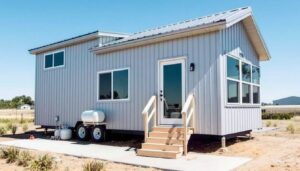
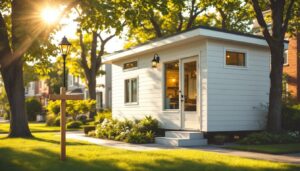
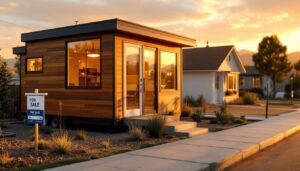
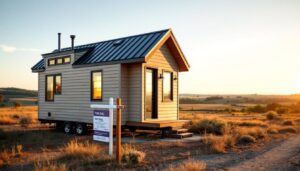
Texas is turning out tiny houses like never before. Whether it’s the affordability factor, the eco-conscious lifestyle shift, or simply wanting more freedom with less square footage, tiny homes have exploded across the Lone Star State. If you’re browsing listings for a compact home in Texas, you’re tapping into something real, a genuine movement that combines smart financial decisions with practical living. This guide walks you through finding, evaluating, and customizing a tiny house that fits your life, your budget, and Texas’s unique regulatory landscape.
Table of Contents
ToggleKey Takeaways
- Tiny houses for sale in Texas range from $80,000–$180,000 depending on location and finishes, making them significantly more affordable than traditional homes while offering genuine financial and lifestyle benefits.
- Verify zoning regulations, permanent foundation status, and clear title before purchasing a tiny house in Texas—many lenders require site-built construction on permanent foundations for mortgage eligibility.
- Austin and Central Texas lead the tiny house market with established communities and high demand, while Dallas-Fort Worth offers affordable options under $110,000 in quieter suburban markets.
- Hire an inspector experienced with tiny homes to identify issues like water intrusion, ventilation problems, and structural concerns that standard inspectors often miss in compact spaces.
- Smart customization—loft upgrades, efficient kitchen drawers, built-in storage, and quality insulation—maximizes livability and resale value without requiring major structural work.
- Understand Texas-specific financing challenges: FHA loans have minimums that may exceed tiny home prices, USDA loans work outside city limits, and many buyers use personal loans, home equity lines, or cash instead of traditional mortgages.
Why Tiny Houses Are Booming In Texas
Texas draws tiny house buyers for hard, measurable reasons. First, the cost gap is massive. A 400-square-foot tiny home runs $80,000 to $150,000 depending on finishes, while even modest traditional homes in major metro areas start at $300,000-plus. Land is still relatively affordable outside city centers, and property taxes on smaller parcels hit different than they do on five-bedroom spreads.
The lifestyle appeal matters too. Buyers are done with the maintenance treadmill, no massive yards to mow, no sprawling square footage demanding constant upkeep. Young professionals, empty nesters, and remote workers who ditched their offices see tiny homes as the math that actually adds up.
Texas also has looser zoning rules in many areas compared to other states. Counties and smaller towns increasingly permit tiny houses on foundation, not just RV parks. Energy costs in summer heat make smaller climate-controlled spaces genuinely practical. And builders have gotten smart: modern tiny homes aren’t cramped, they’re engineered with built-ins, loft bedrooms, and smart layouts that don’t feel like a shoebox.
Best Texas Regions To Find Tiny Houses
Austin & Central Texas
Austin remains ground zero for tiny house innovation. The city’s younger demographic, tech workforce, and “Keep Austin Weird” ethos created real demand. You’ll find everything from ADUs (accessory dwelling units) in established neighborhoods to purpose-built tiny home communities like those on the outskirts. Prices run high, $120,000–$180,000 for new construction, but financing often beats traditional mortgages on lower-cost properties.
Central Texas towns like San Marcos and New Braunfels are launching community-scale tiny home developments. Land is cheaper, commutes to Austin are manageable, and local builders are scaling up inventory. Inventory moves fast here: serious buyers should scout listings weekly.
Dallas-Fort Worth Area
DFW is the sleeper market. While Austin gets the hype, Dallas and Fort Worth suburbs are quietly absorbing tiny home construction. Neighborhoods in Denton, Arlington’s outer areas, and even Frisco have tiny homes under $110,000. The Fort Worth side especially has seen grassroots adoption: real estate agents there understand the niche and won’t steer you toward overpriced options.
The rental market is also booming in DFW if you’re considering investment-grade tiny homes. Water access matters here, check floodplain maps in Dallas proper and near the Trinity River.
What To Look For When Buying A Tiny House
Zoning matters first. Before you fall for a listing, confirm the property permits residential tiny homes. Some areas restrict them to manufactured home parks: others allow them on foundation as primary residences. County records and the local planning office take ten minutes to check, skip this and you’ve bought a legal paperweight.
Inspection is non-negotiable. Tiny homes are dense, mechanical systems, plumbing, and HVAC are packed tight, and failures compound faster. Hire an inspector experienced with small homes. They’ll flag issues traditional inspectors miss: water intrusion in loft areas, inadequate ventilation leading to mold, and load paths in framing that matter when square footage is tight.
Structural integrity and foundation type matter. Is it on a permanent foundation (concrete slab or pier-and-beam), or is it a mobile unit with a hitch? Permanent foundation = higher resale value and mortgage eligibility. Mobile-style tiny homes are cheaper upfront but trickier to finance and sell later.
Utilities and off-grid capability vary wildly. Some tiny homes are all-electric with heat pump HVAC: others run on propane. Check water and septic systems if rural, a failed septic tank in a tiny home on a small lot is a budget killer. If the listing mentions solar, verify it’s actually installed and producing: solar promises without hardware are common in Texas listings.
Roof condition, insulation R-value, and window quality get overlooked but drive comfort and resale. A poorly insulated tiny home in Texas summers wastes money on AC. Check whether the roof is original (lifespan ~15-20 years) and if spray foam or fiberglass insulation is doing the job.
Financing & Legal Considerations For Tiny Home Purchases
Mortgages are the sticking point. Most lenders won’t touch a mobile tiny home: they want permanent foundation construction. FHA loans sometimes work for site-built tiny homes, but loan minimums ($50,000–$75,000) can exceed the home price itself. USDA loans work if the tiny home qualifies and you’re outside city limits. Many buyers resort to personal loans, home equity lines of credit, or paying cash, not ideal, but real.
Permits and inspections vary by county. Some Texas counties have adopted IRC (International Residential Code) standards for tiny homes: others have no standards yet. Check with the local building department before purchase. An unpermitted tiny home is a liability, you can’t get insurance, it won’t appraise for resale, and code enforcement can order removal.
HOA restrictions bite hard. If the tiny home is in a deed-restricted community, read the covenants. Some HOAs explicitly prohibit homes under 800–1,000 square feet. You can’t fight this later, it’s documented.
Title and deed issues: Verify clear title and that there are no liens. Tiny homes built on family land sometimes carry complicated ownership histories. Title insurance is cheaper than discovering an issue three years in.
ADU regulations are shifting fast in Texas cities. Austin, Dallas, and San Antonio are loosening rules for secondary units on existing lots. If you’re buying land and planning to add a tiny home as an ADU, check current zoning, rules changed in 2024 and 2025.
DIY Customization Ideas For Your New Tiny House
Most newly purchased tiny homes have solid bones but generic finishes. Smart customization maximizes livability without major structural work.
Loft bedroom upgrades are the first move. Add proper railing, most older tiny homes meet code with balusters, but safety rails make climbing easier for adults. Install drywall and proper insulation if it’s unfinished. A pull-down ladder with storage underneath (or a tiny spiral staircase if budget allows) saves floor space.
Kitchen efficiency matters in a tight footprint. Swap out lower cabinets for drawers, they’re easier to access in cramped quarters. Add a fold-down prep table or install shelving that doubles as backsplash display. Magnetized spice racks and wall-mounted utensil holders free up drawer space. Don’t overkill appliances: a high-end cooktop and small refrigerator beat trying to squeeze full-size everything into 50 square feet of kitchen.
Bathroom solutions are practical, not Pinterest. Over-toilet shelving, corner sinks, and moisture-resistant wall paneling handle the humidity that tiny home bathrooms get. If water marks are visible, address mold early, treat with a fungicide and improve ventilation with a properly ducted exhaust fan venting outside (not into the attic).
Storage is everything. Bed frames with drawers, vertical shelving, and compact closet organizers triple usable space. Under-stair storage in lofted areas works if framing allows. Open shelving looks airy but requires discipline, clutter reads loudly in 400 square feet.
Flooring refreshes transform feel without gut work. LVP (luxury vinyl plank) is forgiving, waterproof, and installs over most existing floors with minimal prep. Carpet in bedrooms adds warmth: hard surfaces in kitchens and baths prevent water damage.
A tiny homes guide covers essential customization strategies for maximizing comfort and resale value in compact spaces. Tiny Homes Techniques: Essential building methods show how professional builders optimize layouts and systems in small-space construction. Consulting design resources like Fine Homebuilding and HGTV gives inspiration for space-efficient upgrades that don’t sacrifice quality.
Final Thoughts: Making Your Tiny Texas Home Work
Buying a tiny house in Texas is a solid financial move if you do the legwork upfront. Verify zoning, get a thorough inspection, understand your financing options, and don’t skip the legal details. Once you own it, thoughtful customization turns a basic structure into a home that actually fits how you live. Start with best tiny homes examples in your region to see what’s realistic. The tiny house market in Texas is real, growing, and ready for buyers who know what they’re looking for.