Tiny homes examples prove that small spaces can deliver big impact. These compact dwellings range from sleek modern builds to rustic cabins, luxury retreats to mobile adventures. Each design shows how creativity transforms limited square footage into functional, beautiful living spaces.
The tiny home movement continues to grow as people seek affordable housing, simpler lifestyles, and reduced environmental footprints. Whether someone dreams of a minimalist retreat or a fully-equipped portable home, there’s a tiny home design to match. This guide explores the most inspiring tiny homes examples across different styles and purposes.
Table of Contents
ToggleKey Takeaways
- Tiny homes examples range from modern minimalist builds to rustic cabins, luxury retreats, and mobile designs—proving small spaces can be functional and beautiful.
- Modern tiny homes maximize limited square footage with floor-to-ceiling windows, multi-purpose furniture, and built-in storage solutions.
- Rustic and off-grid tiny homes use solar panels, composting toilets, and rainwater harvesting for sustainable, nature-focused living.
- Luxury tiny homes feature high-end finishes like granite countertops, smart home technology, and spa-like bathrooms without sacrificing quality.
- Mobile tiny homes on trailers and skoolie conversions offer the freedom to travel while maintaining full home comforts.
- Shipping container and converted structure tiny homes provide affordable, creative housing options starting around $25,000.
Modern Minimalist Tiny Homes
Modern minimalist tiny homes strip away excess to focus on clean lines and functional design. These structures typically measure between 100 and 400 square feet. They maximize every inch through smart storage and multi-purpose furniture.
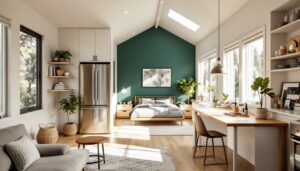
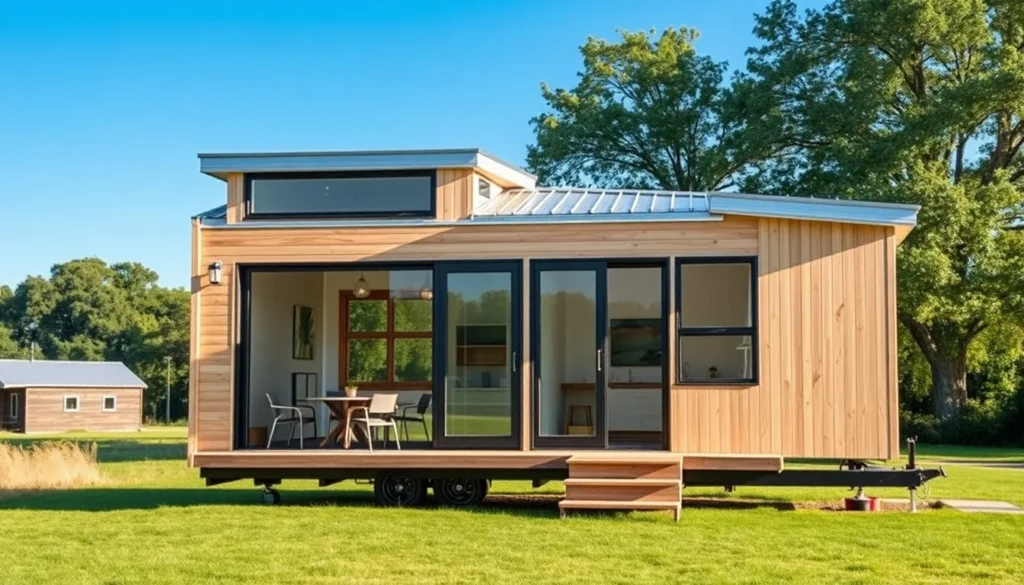
A popular modern tiny home example features floor-to-ceiling windows that flood the interior with natural light. This design choice makes small spaces feel larger and connects residents to the outdoors. White walls, light wood accents, and hidden storage compartments define the aesthetic.
The “Escape Vista” tiny home demonstrates this style perfectly. It offers 160 square feet of living space with a full kitchen, bathroom, and sleeping loft. Large sliding glass doors open to extend the living area outdoors. Built-in benches double as storage, and the kitchen includes a two-burner stove, refrigerator, and deep sink.
Another standout is the “Minim House,” designed with solar panels and rainwater collection. This 210-square-foot home includes a projector system that transforms the living wall into an entertainment center. Fold-down desks and Murphy beds make the space adaptable for work or rest.
Modern tiny homes often incorporate:
- Sliding barn doors to save floor space
- Lofted bedrooms accessible by ladder or stairs
- Compact appliances sized for small kitchens
- Built-in shelving instead of freestanding furniture
- Large windows or skylights for natural lighting
These tiny homes examples show that modern design prioritizes efficiency without sacrificing style.
Rustic and Off-Grid Tiny Home Designs
Rustic tiny homes embrace natural materials and off-grid capabilities. These designs appeal to those who want to live closer to nature or reduce dependence on utility companies.
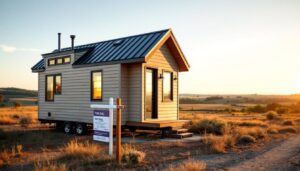
Log cabin-style tiny homes use reclaimed wood, stone accents, and metal roofing. The “Tumbleweed Elm” exemplifies this approach with its cedar siding and cozy interior that feels like a mountain retreat. At 219 square feet, it includes a wood-burning stove, propane appliances, and enough space for comfortable living.
Off-grid tiny homes examples often feature solar power systems, composting toilets, and rainwater harvesting. The “Alpha Tiny Home” runs entirely on solar energy and includes a propane-powered stove and water heater. Its 240 square feet accommodate a full bathroom with a standing shower, a kitchen with ample counter space, and a sleeping loft.
These rustic tiny homes typically include:
- Wood-burning or pellet stoves for heating
- Propane refrigerators and cooking appliances
- Composting or incinerating toilets
- Solar panels with battery storage
- Hand-pumped or gravity-fed water systems
The “Orchid Tiny House” stands out among rustic tiny homes examples. Built with reclaimed barn wood, it features exposed beams and a covered porch. The interior includes handcrafted cabinetry and a clawfoot tub, proving that off-grid living doesn’t mean giving up comfort.
Rustic tiny homes work well for weekend retreats, hunting cabins, or full-time residences in rural areas.
Luxury Tiny Homes With High-End Features
Luxury tiny homes prove that small size doesn’t limit quality. These high-end tiny homes examples include premium finishes, smart home technology, and designer touches.
The “Denali” by Timbercraft Tiny Homes offers 400 square feet of luxury living. It features granite countertops, a farmhouse sink, and a full-size refrigerator. The bathroom includes a soaking tub, and heated floors warm the entire home. Custom cabinetry and hardwood floors complete the upscale feel.
Smart home integration appears in many luxury tiny homes. Owners can control lighting, heating, and security from their phones. Some models include retractable televisions, motorized blinds, and voice-activated systems.
The “Land Ark RV” represents another luxury tiny home example. This 280-square-foot home on wheels includes heated bathroom floors, a dishwasher, and a washer-dryer combo. Its kitchen features quartz countertops and a four-burner gas range. The cost? Around $200,000, comparable to many traditional homes.
Luxury tiny homes often showcase:
- High-end appliances from brands like Bosch or Fisher & Paykel
- Custom millwork and built-in furniture
- Premium flooring such as hardwood or polished concrete
- Spa-like bathrooms with rain showerheads
- Climate control systems with heating and cooling
These tiny homes examples demonstrate that downsizing doesn’t require sacrificing luxury.
Mobile and Portable Tiny Home Options
Mobile tiny homes give owners the freedom to travel while keeping the comforts of home. These portable structures sit on trailers and meet road regulations for towing.
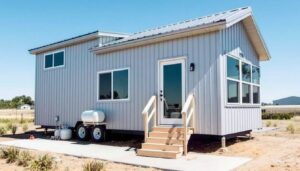
The most common mobile tiny homes measure 8.5 feet wide to comply with highway restrictions. Length typically ranges from 20 to 30 feet. The “Vista” by Escape Traveler exemplifies portable tiny homes with its 160-square-foot design built on a trailer. Owners can park it at campsites, on private land, or in tiny home communities.
Skoolie conversions represent creative mobile tiny homes examples. Builders transform old school buses into functional homes with kitchens, bathrooms, and sleeping areas. A typical skoolie conversion costs between $10,000 and $50,000, depending on finishes. These conversions offer more interior space than trailer-based tiny homes.
Travel trailer tiny homes differ from traditional RVs through their residential construction methods. They use stick-built framing and residential-grade materials rather than lightweight RV components. This approach creates sturdier, better-insulated homes suitable for year-round living.
Popular mobile tiny home features include:
- Stabilizing jacks for level parking on uneven ground
- Exterior hookups for water, power, and sewage
- Retractable awnings for outdoor living space
- Lightweight but durable building materials
- Aerodynamic designs for easier towing
Mobile tiny homes examples show the appeal of combining homeownership with a nomadic lifestyle.
Container and Converted Structure Tiny Homes
Shipping container homes and converted structures offer affordable paths to tiny living. These tiny homes examples repurpose existing materials in creative ways.
A single 20-foot shipping container provides about 160 square feet of living space. The “Cargo Home” in Texas stacks two containers to create a 320-square-foot residence with rooftop deck access. Large windows cut into the steel walls bring in natural light. Spray foam insulation keeps the interior comfortable year-round.
Container tiny homes typically cost between $25,000 and $80,000 fully finished. The steel structure offers durability and security. Builders can weld multiple containers together for larger layouts.
Converted structures expand tiny homes examples beyond new construction:
- Grain silos become cylindrical homes with unique curved walls
- Water tanks transform into compact round dwellings
- Trailers and vans convert into mobile micro-homes
- Sheds and barns become cozy backyard cottages
The “Silo House” in Utah shows what’s possible with creative conversion. This 340-square-foot home in a converted grain silo includes two floors, a spiral staircase, and panoramic windows. The cylindrical layout creates an open, flowing interior.
Container and converted tiny homes work well as accessory dwelling units (ADUs), guest houses, or rental properties. Many cities now allow these structures under updated zoning codes.
These unconventional tiny homes examples prove that creative thinking can turn almost any structure into a livable home.