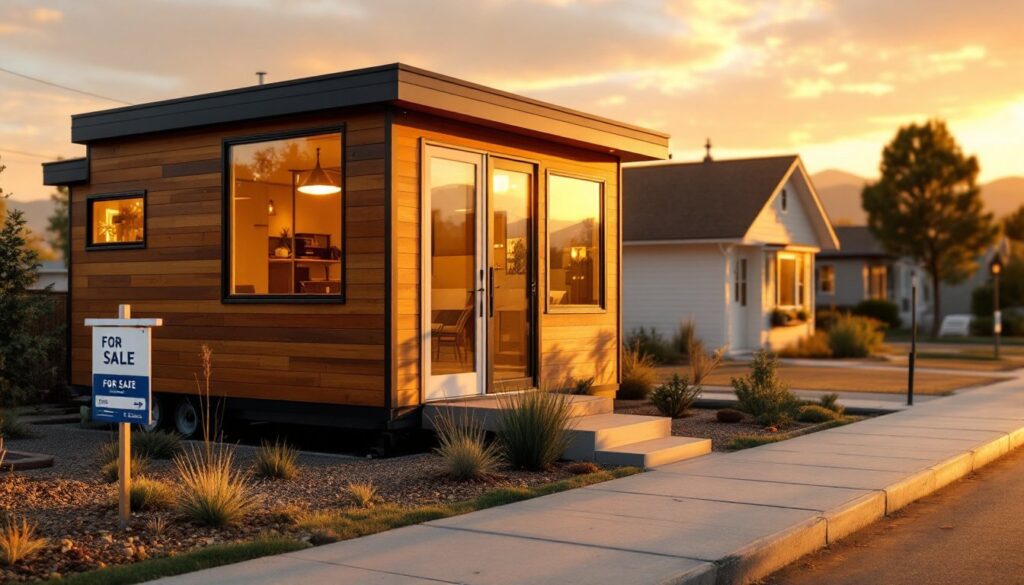
Denver’s real estate market has shifted, and tiny houses for sale in Denver are drawing serious attention from first-time buyers, downsizers, and eco-conscious investors. Whether you’re looking to own debt-free, reduce your environmental footprint, or find an affordable entry into Colorado’s competitive housing market, tiny homes offer a concrete alternative to traditional single-family homes. This guide walks you through Denver’s tiny house landscape, from what’s available and how much you’ll pay to zoning rules and financing options that actually work.
Table of Contents
ToggleKey Takeaways
- Tiny houses for sale in Denver range from $250,000 to $450,000, offering first-time buyers an affordable alternative to traditional homes that typically exceed $500,000 in price.
- Denver’s zoning code now permits accessory dwelling units (ADUs) citywide, but buyers must verify compliance with setback requirements, parking minimums, and owner-occupancy rules before making an offer.
- Financing options for tiny homes have improved significantly, with conventional lenders, credit unions, and specialized mortgage programs now willing to finance properties as small as 400 square feet.
- Tiny house inventory in Denver moves quickly and should be searched across multiple platforms including Zillow, specialty sites like Tiny House Listings, and local Facebook groups to catch off-market deals.
- Request a zoning verification letter from Denver’s Community Planning & Development office and consult a real estate attorney for properties with non-standard designations to avoid legal complications during closing or resale.
Why Denver Is Becoming a Tiny House Hub
Denver has positioned itself as a leader in alternative housing, driven by a combination of affordability pressure, younger demographics, and forward-thinking zoning policies. The city’s tech-friendly culture and emphasis on walkability have made dense, smaller-footprint living attractive, not out of necessity, but by choice.
The housing shortage across Colorado has made traditional single-family homes increasingly out of reach for median earners. A typical Denver home sells well over $500,000, pricing out first-time buyers and essential workers. Tiny houses, typically ranging from 300 to 1,000 square feet, provide ownership without the $400,000+ price tag. When paired with lower property taxes and minimal maintenance, the financial case is compelling.
Also, Denver’s sustainability-minded population aligns with tiny house principles. Lower energy bills, reduced material consumption, and a smaller environmental footprint resonate with the city’s demographic. Neighborhoods like RiNo, Baker, and parts of Congress Park have quietly become tiny house hubs, with ADUs (accessory dwelling units) and small homes dotting the landscape.
Denver’s municipal code has also loosened ADU restrictions in recent years, allowing homeowners to build secondary units on single-family lots, a game-changer for both sellers and buyers looking at unconventional properties. This regulatory openness sets Denver apart from many other major metros.
What to Expect: Pricing and Market Trends
Pricing for tiny houses for sale in Denver varies widely depending on location, age, and condition, but generally, you’re looking at $250,000 to $450,000 for a move-in ready tiny home. A newly constructed 500-square-foot tiny home in an established neighborhood will command more than a vintage 400-square-foot bungalow needing cosmetic work.
There’s real competition in Denver’s tiny house market. Builders like Prescott Passive Homes and local modular companies have waiting lists. For buyers, this means acting quickly on listings that meet your criteria, properties can disappear in days, not weeks.
The price-per-square-foot metric becomes less meaningful in the tiny house segment because lot value, location prestige, and finish level dominate pricing more than raw square footage. A tiny home in South Platte or near downtown commands premium pricing: the same footprint in outer neighborhoods like Aurora or Lakewood may cost 20-30% less.
Market data from Curbed and local MLS reports show that tiny house inventory in Denver remains tight but growing. Expect steady appreciation, not the speculative jumps of traditional homes, making tiny homes a stable, if modest, wealth-building tool. Many tiny house buyers hold for 5-7 years, then upgrade or rent them out, using them as stepping stones rather than permanent solutions.
Finding Tiny Homes for Sale in Denver
Online Listings and Real Estate Platforms
Begin your search on standard platforms, Zillow, Realtor.com, and Redfin all allow filters for home size. Set your max square footage to 1,000 and search Denver and surrounding metro areas. Refine by price range and neighborhood to narrow results.
Specialty platforms cater specifically to tiny house buyers. Tiny House Listings (tinyhouselistings.com) aggregates Denver properties alongside national inventory. Facebook groups like “Denver Tiny Homes” and “Tiny House Living Colorado” connect buyers directly with owners and builders, often surfacing off-market deals.
Set up automated alerts on all platforms. Tiny homes move fast, being notified within hours of a listing can make the difference between a successful offer and a missed opportunity. Include searches for “ADU,” “cottage,” and “bungalow” in your filters, as not all small homes are marketed as “tiny houses.”
Working With Local Realtors
Finding a realtor familiar with tiny houses and Denver zoning is crucial. Not all agents understand ADU financing or unconventional lot arrangements. Ask for referrals from local tiny house groups or builders.
A good tiny house realtor will know:
- Which neighborhoods actively embrace ADUs and small homes
- Which lenders are comfortable financing sub-1,000-square-foot properties
- Current zoning status of properties you’re considering (legally permitted vs. grandfathered)
- Local market trends specific to the tiny segment
Many tiny house builders and custom home companies in Denver partner with agents who specialize in their niche. These partnerships often give you early access to new inventory. Don’t hesitate to contact builders directly, they can advise on upcoming projects and point you toward finished inventory ready for immediate occupancy. Resources like Houzz let you filter for tiny house-focused builders and designers in your area.
Denver Zoning and Legal Considerations
Denver’s zoning code permits ADUs in most residential zones, but the rules carry nuances that directly affect your purchase. Understanding these before making an offer is non-negotiable.
Key zoning rules for tiny homes:
ADUs on single-family lots are now allowed citywide (as of recent amendments), but they must comply with setback requirements, parking minimums, and owner-occupancy rules in many zones. A tiny home in someone’s backyard must meet these standards, or it exists in a legal gray area.
Lot size matters. Denver typically requires a minimum lot size of 5,000 square feet for a detached ADU, though owner-occupied ADUs have more flexibility. Knowing whether your target property meets these minimums protects you from future legal or resale complications.
Historic districts and neighborhood overlays add restrictions. A charming tiny home in a historic neighborhood may face additional design review or architectural approval requirements before renovation or resale.
Before making an offer:
Request a zoning verification letter from Denver’s Community Planning & Development office. This document confirms the property’s current zoning, allowed uses, and any outstanding violations or non-conforming designations. Cost is modest ($30-50), and it’s worth every penny.
If the property is an ADU, verify the primary dwelling is still owner-occupied if required by code, and confirm the ADU is legally permitted (not just tolerated). Grandfathered properties, those built before zoning changes, may have different rules than new construction.
Consult a real estate attorney for any property with non-standard zoning or previous code issues. An hour of legal review now beats a nightmare during closing or when you try to refinance or sell. Your realtor can recommend local attorneys experienced in ADU transactions.
Financing Your Tiny House Purchase
Traditional financing for tiny houses has historically been challenging, lenders preferred conventional home sizes and were hesitant with properties under 500 square feet. That’s changing, but it requires strategy.
Mortgage options:
Many conventional lenders (Chase, Wells Fargo, local credit unions) now offer mortgages for tiny homes meeting FHA guidelines: minimum 400 square feet for owner-occupied, sound structure, and standard utilities. Interest rates are comparable to traditional homes, though some lenders charge slightly higher rates for non-standard properties.
Credit unions often have more flexibility with tiny house financing than big banks. If you’re a member of a Colorado credit union, start there. They typically understand the local market and are willing to work with non-traditional square footage.
Manufactured and modular tiny homes may require specialized financing, RV loans or personal loans, if the property is titled as personal property rather than real property. This is critical: confirm whether your tiny home will be deeded as real estate (standard mortgage) or registered as personal property (different financing rules, tax implications, and resale challenges). Work with your lender and title company to understand the distinction before closing.
Down payment and loan terms:
Expect to put down 10-20% depending on the lender and property type. Tiny homes typically appraise lower in absolute dollars, which can affect down payment requirements in percentage terms. A $300,000 tiny home with a 20% down payment is $60,000, lower in total than traditional homes but still a significant commitment.
Loan terms are standard, 15 or 30 years. Monthly payments on a $240,000 mortgage at current rates hover around $1,600-1,700 for a 30-year term, significantly lower than Denver’s median rent or a traditional mortgage payment.
Pre-approval process:
Get pre-approved before house hunting. The process is standard, but mention upfront that you’re interested in tiny homes, lenders can flag potential issues early. A pre-approval letter also strengthens your offer in a competitive market.
Consider reaching out to Apartment Therapy and other community resources for real-world stories from tiny house owners about their financing journeys. Peer experiences often reveal lender preferences and workarounds not found in official documentation. Your real estate attorney and tax advisor can also provide guidance on tax implications, some tiny house buyers benefit from first-time homebuyer credits or state incentives.