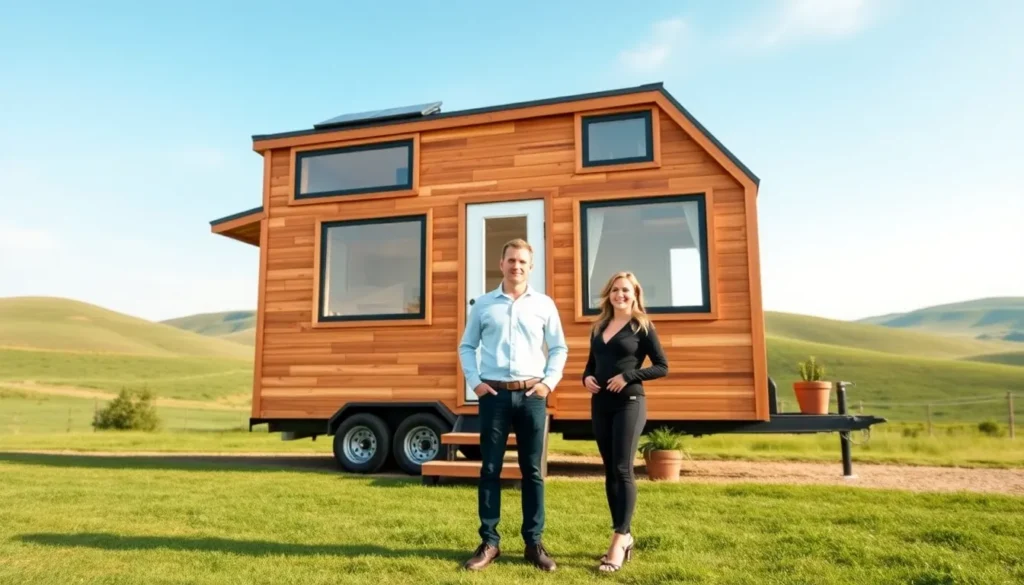
Tiny homes have captured the attention of minimalists, budget-conscious buyers, and eco-friendly enthusiasts across the United States. These compact dwellings, typically under 400 square feet, offer a radical alternative to traditional housing. They promise lower costs, smaller environmental footprints, and a simpler way of life.
But tiny homes aren’t for everyone. They require careful planning, lifestyle adjustments, and a clear understanding of local regulations. This guide breaks down everything potential tiny home owners need to know, from benefits and challenges to the different types available and how to start the journey toward downsized living.
Table of Contents
ToggleKey Takeaways
- Tiny homes typically cost $30,000 to $60,000, offering significant savings compared to the national median home price of over $400,000.
- Before pursuing tiny home living, research local zoning laws and building codes since regulations vary widely by location.
- Tiny homes come in several types, including mobile homes on wheels, foundation-based structures, converted containers, and prefab kits.
- Living in under 400 square feet requires lifestyle adjustments, including downsizing possessions and rethinking daily routines.
- Financing a tiny home often requires personal loans or specialized lenders since traditional mortgages rarely apply.
- Start your tiny home journey by defining your goals, setting a realistic budget, and decluttering months before the move.
What Are Tiny Homes?
Tiny homes are residential structures that maximize limited square footage through smart design. Most tiny homes range from 100 to 400 square feet, though definitions vary by region and building codes.
These small dwellings come in many forms. Some sit on permanent foundations, while others rest on trailers for mobility. Even though their size, tiny homes include all essential living spaces: a kitchen, bathroom, sleeping area, and living room. Builders achieve this through multi-purpose furniture, loft bedrooms, and creative storage solutions.
The tiny home movement gained momentum in the early 2000s. Rising housing costs, environmental concerns, and a growing interest in minimalism fueled its popularity. Today, tiny homes appear in urban backyards, rural properties, and dedicated tiny home communities across the country.
Zoning laws and building codes treat tiny homes differently depending on location. Some cities welcome them as accessory dwelling units (ADUs). Others restrict or prohibit them entirely. Anyone considering a tiny home should research local regulations before making plans.
Benefits of Living in a Tiny Home
Financial Freedom
Tiny homes cost significantly less than traditional houses. The average tiny home price ranges from $30,000 to $60,000 for a custom build, compared to the national median home price of over $400,000. Lower purchase prices mean smaller mortgages, or no mortgage at all. Monthly expenses drop too. Utility bills for tiny homes often run between $30 and $100 per month.
Environmental Impact
Smaller spaces require fewer resources to build and maintain. Tiny homes use less lumber, concrete, and other materials during construction. They also consume less energy for heating and cooling. Many tiny home owners add solar panels, composting toilets, and rainwater collection systems to reduce their environmental footprint further.
Simplified Lifestyle
Limited space forces intentional choices about possessions. Tiny home residents often report feeling less stressed about material goods and household maintenance. They spend less time cleaning and organizing. This simplicity frees up time and energy for experiences, hobbies, and relationships.
Location Flexibility
Tiny homes on wheels offer mobility that traditional houses can’t match. Owners can relocate for work, travel, or simply a change of scenery. Even foundation-based tiny homes provide flexibility, they’re easier and cheaper to build on unconventional lots or in backyard spaces.
Common Challenges to Consider
Space Limitations
Living in under 400 square feet demands adjustment. Storage space is scarce. Hosting guests becomes difficult. Couples and families must negotiate shared spaces constantly. The honeymoon period with tiny home living eventually fades, and the reality of cramped quarters sets in.
Zoning and Legal Issues
Many municipalities haven’t updated codes to accommodate tiny homes. Some areas classify them as RVs, limiting where owners can park long-term. Others require minimum square footage for residential structures that tiny homes can’t meet. These legal gray areas create uncertainty for buyers.
Financing Difficulties
Traditional mortgages rarely apply to tiny homes, especially those on wheels. Banks view them as higher-risk investments. Buyers often must pay cash, use personal loans, or find specialized lenders who charge higher interest rates. This financial barrier stops many interested people from proceeding.
Resale Concerns
The tiny home market remains relatively small. Selling a tiny home can take longer than selling a traditional house. Custom designs that suit one owner’s needs may not appeal to buyers. Location restrictions also limit the pool of potential purchasers.
Lifestyle Adjustments
Daily tasks require more thought in tiny homes. Cooking large meals, working from home, and maintaining personal space all become more challenging. Some people thrive with these constraints. Others find them exhausting over time.
Types of Tiny Homes
Tiny Houses on Wheels (THOWs)
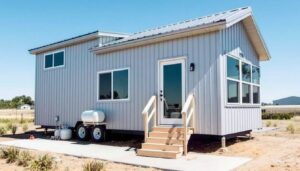
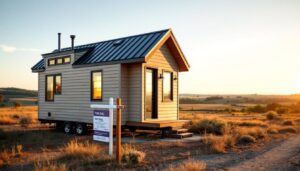
These structures sit on trailers, allowing owners to move them. THOWs bypass some building codes since they’re classified as vehicles in many jurisdictions. They typically range from 100 to 300 square feet and require a suitable vehicle for towing.
Foundation-Based Tiny Homes
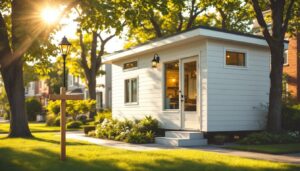
Permanent tiny homes sit on concrete or pier foundations like traditional houses. They must meet local building codes, which often include minimum size requirements. These structures offer more stability and easier utility connections than mobile options.
Converted Structures
Creative builders transform shipping containers, school buses, and other structures into tiny homes. Container homes offer industrial aesthetics and durability. Bus conversions (often called “skoolies”) provide mobility and unique layouts. These options attract DIY enthusiasts looking for affordable starting points.
Prefab and Kit Tiny Homes
Manufacturers produce ready-to-assemble tiny homes in various styles and price ranges. Some ship as complete units. Others arrive as kits for on-site assembly. Prefab options reduce construction time and often cost less than custom builds.
Accessory Dwelling Units (ADUs)
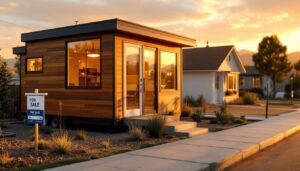
ADUs are small secondary homes built on existing residential properties. Many cities now encourage ADUs to address housing shortages. They provide homeowners with rental income opportunities while adding affordable housing stock to communities.
How to Get Started With Tiny Home Living
Research Local Regulations
Start by contacting the local planning department. Ask about zoning laws, building codes, and permit requirements for tiny homes in the area. Some regions have embraced tiny homes. Others remain restrictive. This research prevents costly surprises later.
Define Goals and Priorities
Why pursue tiny home living? Financial freedom, environmental values, and mobility appeal to different people for different reasons. Clear goals guide decisions about size, type, and location. Someone wanting to travel needs a different tiny home than someone seeking a permanent backyard cottage.
Set a Realistic Budget
Tiny homes vary widely in cost. A basic DIY build might run $15,000. A luxury custom tiny home can exceed $150,000. Factor in land costs, permits, utility connections, and furnishings. Create a comprehensive budget before committing to any plan.
Explore Financing Options
Traditional mortgages rarely work for tiny homes. Research personal loans, RV loans (for homes on wheels), and specialized tiny home lenders. Some builders offer financing programs. Cash purchases remain common in this market.
Choose Between Building and Buying
DIY builders save money but invest significant time and energy. Professional builders offer expertise and warranties. Pre-owned tiny homes provide immediate occupancy at lower prices. Each path has trade-offs worth considering carefully.
Plan for the Transition
Downsizing belongings takes time. Start decluttering months before moving into a tiny home. Sell, donate, or store items that won’t fit. Practice living with less before making the full commitment.