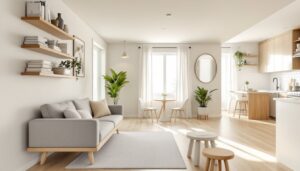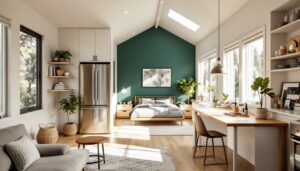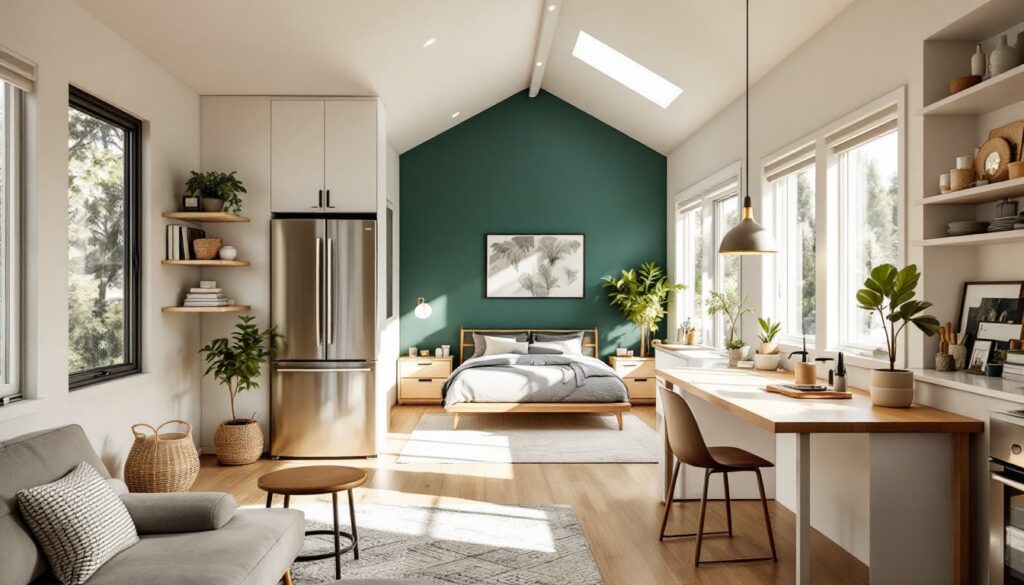
Tiny homes aren’t just a trend, they’re a practical, honest answer to how people want to live in 2026. Whether you’re downsizing to save money, reduce your environmental footprint, or simply embrace minimalism, incredible tiny homes deliver comfort and style without excess square footage. The key isn’t shrinking everything: it’s designing smarter. This guide walks you through the design secrets, layout strategies, and renovation techniques that turn a small footprint into a fully functional, genuinely livable space.
Table of Contents
ToggleKey Takeaways
- Incredible tiny homes succeed by balancing efficient space use, honest functionality, and thoughtful design rather than simply shrinking everything down.
- Smart layout strategies like open-concept floor plans, strategic dividers, and eliminating dead zones make a 600–800 square foot tiny home feel spacious and livable.
- Multi-functional furniture—such as Murphy beds, storage dining tables, and corner desks—maximizes functionality and adds 40+ square feet of usable space in tiny homes.
- Color, lighting, and storage must work together as a system: light neutral walls, layered lighting, and organized vertical storage prevent tiny homes from feeling cramped.
- Technical fundamentals including clustered plumbing/electrical, proper insulation (R-13 to R-21), adequate ceiling height, and moisture control ensure tiny homes are safe and cost-effective.
- Local building codes and permit requirements vary significantly—some jurisdictions welcome tiny homes while others restrict or prohibit them, so verify regulations before designing or renovating.
What Makes A Tiny Home Incredible
An incredible tiny home balances three things: efficient use of every square inch, honest functionality, and thoughtful aesthetics. Most standard tiny homes range from 400 to 800 square feet, roughly half the footprint of a median US home, yet they don’t sacrifice livability when designed correctly.
The difference between a cramped, frustrating tiny home and one that feels spacious comes down to intentional choices. Builders and owners who succeed prioritize vertical storage, eliminate wasted hallway space, and choose multi-purpose furniture from the start. You’re not just making things smaller: you’re rethinking what each space needs to do.
Building codes also matter here. Tiny homes on permanent foundations must meet local residential codes (often based on IRC standards), while tiny homes on trailers have different electrical, plumbing, and structural requirements. If you’re building or renovating, check with your local building department early. Some jurisdictions have specific tiny home ordinances: others don’t recognize them as legal residences at all. Knowing this upfront saves money, headaches, and code violations down the line.
Smart Layout And Space Planning
Smart layout is where incredible tiny homes separate from merely small ones. Every inch earns its keep.
Start with an open-concept floor plan to maximize sightlines and eliminate the feeling of compartmentalized cramping. That said, completely open can feel chaotic. Light dividers, a partial wall, a kitchen peninsula, or a low shelving unit, define zones without blocking visual or physical flow. This strategy lets your 600 square feet feel larger while keeping bedroom or bathroom privacy intact.
The “dead zones” kill tiny home projects. Narrow hallways, odd corners, and space under stairs are opportunities, not liabilities. Install pull-out pantries in galley kitchens, tuck a compact office nook under the stairs with proper task lighting, or use the wall between bathroom and bedroom for a built-in linen closet. Tiny Homes Examples: Creative spaces prove that small footprints don’t mean compromised storage.
Measurement is non-negotiable. Before buying furniture or planning cabinetry, document actual room dimensions with a 25-foot tape measure. Eyeballing it leads to miscalculations that waste money and space. Account for door swings, window sills, and electrical outlets. A sofa that looked perfect in a showroom might block a critical closet access.
Multi-Functional Rooms And Furniture
Furniture does double duty in incredible tiny homes. A dining table with storage drawers beneath, a bed with integrated shelving in the headboard, or a kitchen island that serves as breakfast bar and prep station all maximize functionality.
Consider a Murphy bed in a guest bedroom or home office that converts a single-purpose room into a flexible space. Modern Murphy bed hardware is far better than decades past, they open and close smoothly and stay put when deployed. Pair one with a desk or sofa underneath, and you’ve added 40 square feet of usable space.
Office corners benefit from corner desks and wall-mounted shelving that keeps work surfaces vertical rather than horizontal. Floating shelves above a compact desk provide storage without eating floor space. The goal: every piece of furniture should either store things, serve multiple functions, or do both.
Interior Design Strategies For Maximum Impact
Design choices in a tiny home don’t just look good, they make the space feel larger and more functional.
Color, lighting, and storage work together as a system. When these three elements align, a small space stops feeling small. Mess with one, and the whole room suffers. Young House Love demonstrates this principle through countless room transformations where thoughtful color choices and strategic storage unlock new life in tight layouts.
Color, Lighting, And Storage Solutions
Light, neutral wall colors (soft white, warm beige, soft gray) expand visual space by reflecting light. A single accent wall in deeper tone, forest green, charcoal, navy, adds personality without overwhelming. The darker wall naturally recedes visually, so place it on a wall that isn’t the focal point.
Layered lighting prevents the flat, institutional feel that kills tiny homes. Combine ambient (ceiling), task (desk lamps, under-cabinet), and accent (picture lights, edge lighting) lighting. LED bulbs keep heat low and costs manageable. In a kitchen, under-cabinet LED strips transform both function and mood. Avoid relying on a single overhead fixture.
Storage must be visible yet organized. Open shelving works beautifully if contents are curated and aligned. Closed cabinetry keeps clutter hidden. The blend matters: bedroom closets and bathroom vanities benefit from closed storage, while kitchen and dining areas can handle some open shelving if styled deliberately. Bins, labels, and consistent arrangement prevent the visual chaos that makes 500 square feet feel suffocating. Apartment Therapy offers proven small-space storage hacks that apply whether you’re renting or building.
Vertical storage is non-negotiable. Install floating shelves from floor to ceiling wherever feasible. Wall-mounted cabinets above washer-dryer stacks, corner shelving in bedrooms, and tall pantry units against a single wall all reclaim cubic space that floor-based furniture can’t touch. A 7-foot ceiling becomes an asset when you use all of it.
Building And Renovation Tips For Tiny Homes
Whether you’re building from scratch or renovating an existing structure, specific techniques ensure your tiny home actually works.
Plumbing and electrical placement matter early. In a 400-square-foot home, every wall counts. Cluster wet zones (kitchen, bathroom, laundry) on shared walls to minimize pipe runs and reduce costs. Similarly, group electrical loads so you’re not running circuits across the entire space. This saves money on materials and simplifies future maintenance.
Insulation and climate control are critical in compact homes. Poor insulation makes heating and cooling expensive and uneven. Install quality batt or spray foam insulation in walls and ceilings, proper R-values vary by region, but IRC guidelines suggest R-13 to R-21 in walls depending on climate zone. Tiny homes heat and cool faster than larger ones, so a single HVAC unit often suffices, but sealed ducts and balanced air return prevent hot spots and dead zones.
Ceiling height affects perceived spaciousness profoundly. Standard 8-foot ceilings feel tight in tiny homes: 9 feet makes a dramatic difference. Vaulted or cathedral ceilings add visual interest and air circulation but require precise framing and ventilation to prevent moisture issues. If you’re capped at 8 feet, use the strategies above, light colors, vertical storage, minimal wall clutter, to compensate.
Permit requirements vary by location. A tiny home on a permanent foundation requires full building permits and inspections in most jurisdictions. Tiny homes on trailers (often under 400 sq. ft.) may fall under RV or manufactured housing codes instead. Before committing to a design or builder, confirm your local authority’s stance. Some municipalities actively welcome tiny homes: others restrict or prohibit them. Permitting adds cost and time, but it protects your investment and ensures the home meets safety standards. How to Build a tiny home starts with understanding these legal requirements.
Material acclimation prevents warping and seasonal issues. Hardwood flooring, solid wood cabinetry, and dimensional lumber need time in your climate before installation. If you’re working in a climate-controlled space, leave materials on-site for 48 hours before install. This is especially critical in areas with significant seasonal humidity swings. Skipping this step costs you later in floor gaps, cabinet door misalignment, or joint separation.
Ventilation and moisture control are structural health issues, not cosmetic ones. Tiny homes, like RVs, risk condensation buildup if ventilation is poor. Install exhaust fans in kitchen and bathroom vented to the outside (not into the attic). Consider an ERV (energy recovery ventilator) if your climate allows: it exhausts stale air while capturing heat or cooling energy. In humid climates, a small dehumidifier during shoulder seasons prevents mold growth in closets and under sinks.
Conclusion
Incredible tiny homes aren’t about sacrifice, they’re about intention. Tiny Homes Trends 2026: show buyers prioritizing quality over quantity, smart design over empty square footage, and honest functionality over aspirational excess. When you nail the layout, color, lighting, storage, and technical details, a tiny home becomes genuinely livable and deeply satisfying. Start with your actual lifestyle, not Pinterest fantasy. Then build or renovate to match it.