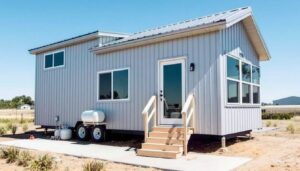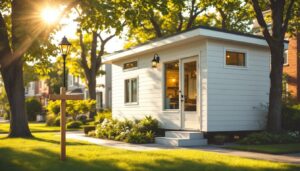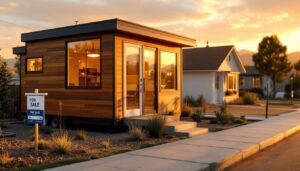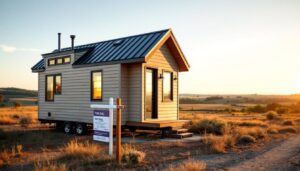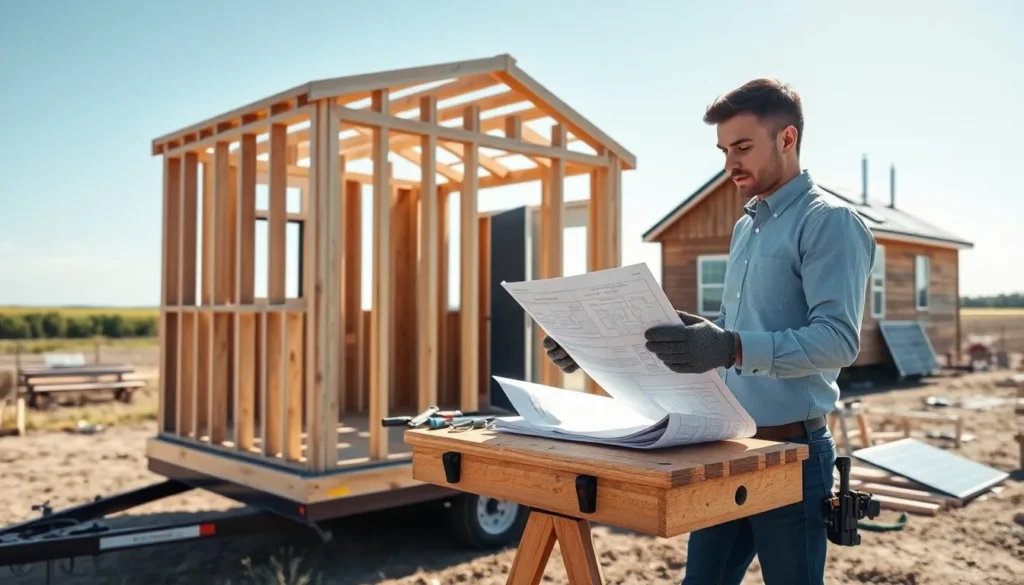
Learning how to build a tiny home starts with a single question: what kind of life do you want to live? Tiny homes offer freedom from excessive mortgages, reduced environmental impact, and a simpler daily routine. The tiny home movement has grown significantly since 2020, with thousands of Americans choosing homes under 400 square feet.
This guide covers everything beginners need to know about tiny home construction. From legal requirements to budget planning, from DIY building to professional options, each section provides clear steps to follow. Whether someone wants a mobile tiny house on wheels or a permanent foundation structure, the process follows the same core principles.
Table of Contents
ToggleKey Takeaways
- Building a tiny home typically costs $30,000–$60,000 for a basic DIY build, though adding a 15% contingency fund helps avoid mid-project financial stress.
- Research local zoning laws, building codes, and minimum square footage requirements before starting your tiny home project to avoid legal complications.
- DIY tiny home construction can save $20,000–$50,000 compared to hiring professionals, but requires 1,000–2,000 hours of work and solid construction skills.
- Tiny home design should prioritize natural light, multi-purpose furniture, and creative storage solutions to make small spaces feel larger and more functional.
- Off-grid tiny homes require investment in solar power ($5,000–$15,000), water systems, and composting toilets for self-sufficient living.
- California, Oregon, Texas, and Colorado have become more tiny home-friendly, with some cities allowing them as accessory dwelling units (ADUs).
Understanding Tiny Home Basics and Legal Considerations
A tiny home typically measures between 100 and 400 square feet. These structures come in two main types: tiny houses on wheels (THOWs) and foundation-built tiny homes. The type someone chooses affects everything from building codes to where they can legally park or place their home.
What Defines a Tiny Home?
Tiny homes maximize every square inch of space. They include a sleeping area, kitchen, bathroom, and living space, all compressed into a fraction of a traditional home’s footprint. Most tiny homes range from $30,000 to $60,000 for a basic build, though custom designs can cost significantly more.
Legal Requirements Vary by Location
Zoning laws present the biggest challenge for tiny home owners. Many cities don’t have specific tiny home regulations, which creates confusion. Here’s what potential builders should research:
- Local zoning ordinances: Some areas allow tiny homes as accessory dwelling units (ADUs) on existing properties.
- Minimum square footage requirements: Many jurisdictions require homes to be at least 500-1,000 square feet.
- Building codes: Foundation tiny homes must meet local building codes. THOWs often fall under RV regulations instead.
- Parking restrictions: THOWs need legal places to park long-term.
California, Oregon, Texas, and Colorado have become more tiny home-friendly in recent years. Several cities now allow tiny homes in specific zones or as ADUs. Checking with local planning departments before starting construction saves time and money.
Planning Your Tiny Home Design and Budget
Planning a tiny home requires honest assessment of needs, wants, and budget limits. The design phase determines whether the final result feels like home or like a cramped box.
Creating a Realistic Budget
Tiny home costs break down into several categories:
| Category | DIY Cost Range | Professional Cost Range |
|---|---|---|
| Trailer (for THOW) | $4,000-$8,000 | $5,000-$10,000 |
| Shell/Structure | $10,000-$20,000 | $25,000-$50,000 |
| Utilities/Systems | $5,000-$15,000 | $10,000-$25,000 |
| Interior Finishing | $5,000-$15,000 | $15,000-$30,000 |
Most first-time builders underestimate costs by 20-30%. Adding a contingency fund of at least 15% to the budget prevents mid-project financial stress.
Design Priorities
Effective tiny home design starts with lifestyle questions. How many people will live there? Does someone work from home? What hobbies require space? These answers shape the floor plan.
Popular tiny home layouts include:
- Loft bedroom designs: Sleeping areas above the main floor maximize living space below.
- Main-floor bedroom designs: Better accessibility, often preferred by older adults.
- Multi-loft designs: Separate sleeping areas for couples with children.
Window placement matters more in tiny homes than traditional houses. Natural light makes small spaces feel larger. South-facing windows provide passive solar heating in winter.
Choosing Between DIY and Professional Builders
The DIY versus professional builder decision affects budget, timeline, and final quality. Both options have clear advantages and drawbacks.
DIY Tiny Home Building
Building a tiny home yourself can save $20,000-$50,000 compared to professional construction. But, DIY building requires:
- Construction skills: Framing, electrical, plumbing, and finishing work.
- Time commitment: Most DIY builders spend 1,000-2,000 hours over 6-18 months.
- Tool investment: Basic tools plus specialized equipment.
- Learning curve: First-time builders make costly mistakes.
Many DIY builders take a hybrid approach. They handle framing and finishing work themselves but hire licensed electricians and plumbers for utility installation. This approach balances cost savings with safety and code compliance.
Professional Tiny Home Builders
Professional tiny home builders charge $50,000-$150,000 for complete builds. The higher cost buys:
- Faster construction (typically 8-16 weeks)
- Professional craftsmanship and warranties
- Code compliance expertise
- Design assistance
When choosing a professional builder, request references from previous clients. Visit completed tiny homes in person when possible. Check that the builder carries proper insurance and understands local code requirements.
Essential Steps to Build Your Tiny Home
Building a tiny home follows a logical sequence. Skipping steps or rushing phases leads to problems that are expensive to fix later.
Step 1: Secure Your Trailer or Foundation
For tiny houses on wheels, the trailer forms the base of everything. Purchase a trailer rated for at least 10,000 pounds, more for larger designs. Foundation tiny homes require proper site preparation, concrete footings, and compliance with local building codes.
Step 2: Frame the Structure
Most tiny homes use 2×4 or 2×6 wood framing. Steel framing offers better strength-to-weight ratios for THOWs but costs more. The framing phase includes:
- Floor system installation
- Wall framing and raising
- Roof framing and sheathing
- Window and door rough openings
Step 3: Install Exterior Finishes
House wrap provides moisture protection before siding installation. Common tiny home siding options include cedar, metal panels, fiber cement, and reclaimed wood. Roofing choices range from metal (most popular for THOWs) to shingles for foundation builds.
Step 4: Rough-In Utilities
Electrical, plumbing, and HVAC rough-in happens before insulation. This phase requires careful planning since walls are difficult to access after closing up. Many builders hire licensed professionals for electrical work to ensure safety and code compliance.
Step 5: Insulate and Finish Walls
Spray foam insulation provides the best R-value per inch, important in tight spaces. After insulation, interior wall finishes go up. Tongue-and-groove wood paneling remains popular for tiny homes because it’s lightweight and attractive.
Utilities, Off-Grid Options, and Finishing Touches
Utility decisions affect both daily living and long-term costs. Tiny home owners can connect to traditional utilities or pursue partial or full off-grid setups.
Traditional Utility Connections
Tiny homes on foundations typically connect to municipal water, sewer, and electrical systems. THOWs can use RV-style hookups when parked at RV parks or properties with proper connections. Standard electrical service requires a 30-amp or 50-amp connection.
Off-Grid Systems
Off-grid tiny homes require investment in self-sufficient systems:
- Solar power: A basic solar setup with batteries costs $5,000-$15,000. This typically includes 4-8 panels, charge controller, inverter, and battery bank.
- Water: Rainwater collection, well water, or hauled water all work. Filtration systems ensure safe drinking water.
- Waste: Composting toilets eliminate the need for septic connections. They cost $1,000-$2,500 and require regular maintenance.
- Heating: Propane heaters, wood stoves, or mini-split heat pumps keep tiny homes comfortable.
Interior Finishing
Finishing touches transform a construction project into a home. Built-in furniture maximizes space efficiency. Multi-purpose pieces, like a dining table that converts to a desk, serve tiny homes well.
Storage solutions require creativity. Stair drawers, under-bed compartments, and wall-mounted organizers keep belongings accessible without cluttering limited floor space.