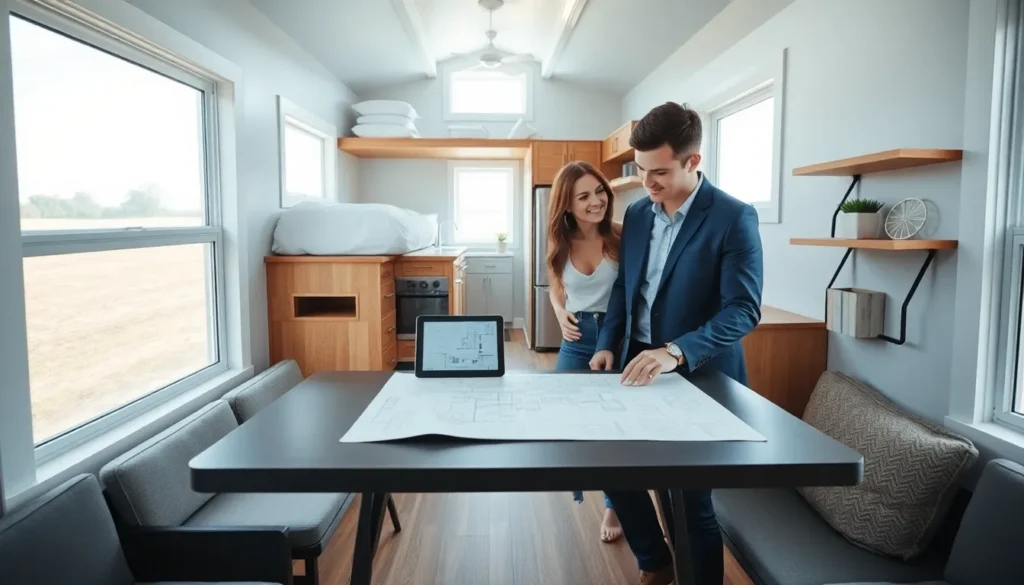
This tiny homes guide covers the essentials for anyone considering a smaller living space. Tiny homes have grown from a niche trend into a legitimate housing option for millions of Americans. These compact dwellings typically measure under 400 square feet and offer an alternative to traditional homeownership. Whether someone wants to cut expenses, reduce their environmental footprint, or simply live with less, tiny homes present a practical solution. This guide breaks down what tiny homes are, their benefits, the different types available, and the critical factors to consider before making the leap.
Table of Contents
ToggleKey Takeaways
- Tiny homes typically range from 100 to 400 square feet and cost between $30,000 and $60,000—a fraction of the median U.S. home price.
- This tiny homes guide highlights major benefits including financial freedom, lower environmental impact, and a simplified lifestyle with reduced monthly expenses.
- Types of tiny homes include houses on wheels, foundation-based structures, shipping containers, prefab models, and accessory dwelling units (ADUs).
- Zoning laws and building codes vary widely by location, so research local regulations thoroughly before buying or building a tiny home.
- Budget for more than just the home itself—factor in land costs, utility hookups, furnishings, and potential financing alternatives like personal or RV loans.
- Start decluttering months in advance, as downsizing to tiny home living requires honest evaluation of your possessions and lifestyle needs.
What Is a Tiny Home?
A tiny home is a residential structure that typically ranges from 100 to 400 square feet. Some definitions extend this to 600 square feet, but most tiny home enthusiasts stick to the smaller end of the spectrum.
These homes come in various forms. Some sit on permanent foundations, while others rest on trailers for mobility. The tiny home movement gained momentum in the early 2000s and accelerated after the 2008 housing crisis. People began questioning whether they really needed 2,500 square feet to live comfortably.
Tiny homes differ from mobile homes and RVs in several ways. They’re built with residential-grade materials and designed for full-time living. Many feature custom layouts that maximize every inch of space. Lofted sleeping areas, fold-down tables, and multi-purpose furniture are common design elements.
The average tiny home costs between $30,000 and $60,000, though prices vary widely based on materials, features, and whether someone builds it themselves or hires a professional. Compare that to the median U.S. home price of over $400,000, and the financial appeal becomes clear.
Tiny homes attract a diverse group of people. Young professionals use them to avoid mortgage debt. Retirees downsize to free up retirement funds. Families place them on properties as guest houses or rental units. The common thread is a desire for simpler, more intentional living.
Benefits of Living in a Tiny Home
The benefits of tiny home living extend beyond just saving money, though that’s certainly a major draw.
Financial Freedom
Tiny homes cost a fraction of traditional houses. Many owners pay cash and avoid mortgages entirely. Monthly expenses drop significantly: lower utility bills, reduced property taxes, and minimal maintenance costs. Some tiny home owners report saving 50% or more on their housing expenses.
Environmental Impact
Smaller spaces require fewer resources to build and maintain. Tiny homes use less energy for heating and cooling. Many owners incorporate solar panels, composting toilets, and rainwater collection systems. The average tiny home produces about 2,000 pounds of CO2 annually, compared to 28,000 pounds for a standard American home.
Simplified Lifestyle
Limited space forces intentional choices about possessions. Tiny home dwellers report less stress from clutter and cleaning. They spend less time maintaining their home and more time on activities they enjoy. This shift in priorities often leads to greater life satisfaction.
Flexibility and Mobility
Tiny homes on wheels offer location independence. Owners can relocate for work, follow good weather, or simply explore new areas. Even foundation-based tiny homes sell faster than traditional houses, giving owners flexibility if circumstances change.
Faster Path to Ownership
Saving for a tiny home takes months or a few years rather than decades. Younger buyers can become homeowners without drowning in debt. This financial head start compounds over time through investments and savings.
Types of Tiny Homes to Consider
Not all tiny homes are created equal. Understanding the different types helps buyers choose the right fit for their lifestyle.
Tiny Houses on Wheels (THOWs)
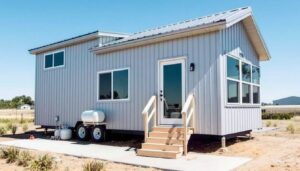
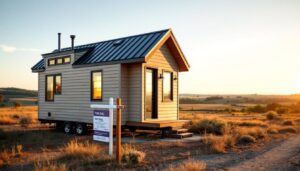
These are the iconic tiny homes most people picture. Built on trailers, they offer mobility and often bypass certain building codes. THOWs typically range from 100 to 300 square feet. They work well for people who want flexibility or live in areas with restrictive zoning laws.
Foundation-Based Tiny Homes
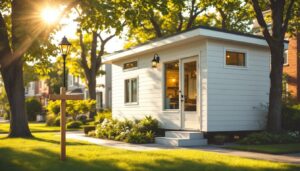
These permanent structures sit on traditional foundations. They must meet local building codes, which can be both a challenge and an advantage. Foundation tiny homes often qualify for traditional financing and appreciate in value like conventional real estate.
Shipping Container Homes
Repurposed shipping containers provide a sturdy, affordable shell for tiny home construction. Standard containers measure 160 to 320 square feet. They’re durable, weather-resistant, and relatively inexpensive. But, they require proper insulation and may need permits for modifications.
Prefab and Modular Tiny Homes
Factory-built tiny homes arrive ready to install or nearly complete. Companies like Escape, Mint Tiny Homes, and Tumbleweed offer various models. Prefab options reduce construction time and often cost less than custom builds.
Accessory Dwelling Units (ADUs)
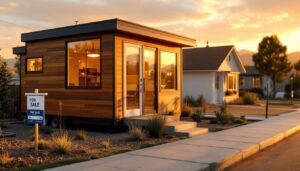
ADUs are small secondary homes built on existing residential properties. Many cities have relaxed ADU regulations in recent years. They serve as rental properties, homes for aging parents, or spaces for adult children. ADUs typically range from 200 to 800 square feet.
Converted Structures
Creative tiny home owners convert buses, vans, barns, and even grain silos into living spaces. These projects require significant DIY skills but offer unique character and often lower costs.
Key Considerations Before Buying or Building
A tiny home represents a significant lifestyle change. Several practical factors deserve attention before committing.
Budget and Financing
Set a realistic budget that includes land costs, utility hookups, and furnishings. Traditional mortgages rarely apply to tiny homes, especially those on wheels. Personal loans, RV loans, or builder financing are common alternatives. Cash purchases remain the simplest option for those who can afford them.
Land and Location
Owning a tiny home doesn’t guarantee a place to put it. Research land costs and availability in target areas. Some owners buy rural property, while others rent spaces in tiny home communities or RV parks. Consider proximity to work, amenities, and social connections.
Climate Considerations
Tiny homes require careful planning for extreme weather. Proper insulation is essential in cold climates. Hot regions need adequate ventilation and possibly air conditioning. Some tiny home designs struggle with humidity or heavy snow loads.
Storage and Lifestyle Adjustments
Most people underestimate how much they’ll need to downsize. Start decluttering months before the move. Consider off-site storage for seasonal items or sentimental belongings. Be honest about hobbies and possessions that require space.
Zoning Laws and Legal Requirements
Zoning regulations present the biggest hurdle for many tiny home buyers. Laws vary dramatically between states, counties, and municipalities.
Some areas classify tiny homes on wheels as RVs, limiting where owners can park them. Others require minimum square footage for permanent dwellings, effectively banning traditional tiny homes. A handful of progressive cities have created specific tiny home ordinances.
Research local codes thoroughly before purchasing or building. Contact the local planning department directly. Some areas allow tiny homes as ADUs but not primary residences. Others permit them on rural land but not in urban zones.
Building codes also matter. The International Residential Code (IRC) includes Appendix Q for tiny homes, but not all jurisdictions have adopted it. Tiny homes on wheels may fall under RV construction standards (ANSI A119.5) or Park Model standards.
Consult with local officials and possibly a real estate attorney before investing significant money. The legal landscape for tiny homes continues to evolve, generally becoming more favorable over time.