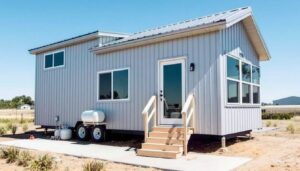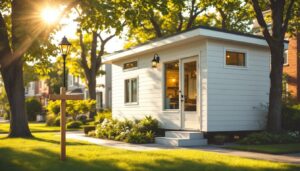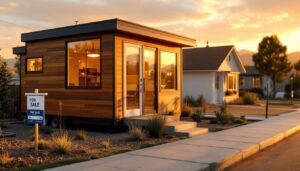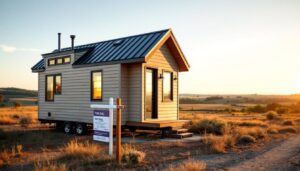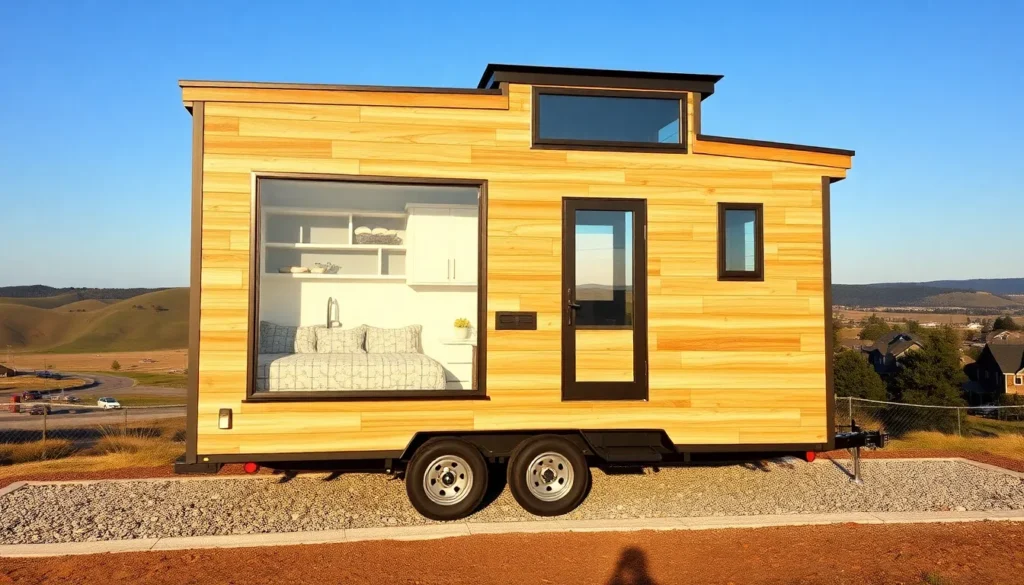
Tiny homes have captured the attention of people seeking simpler, more affordable lifestyles. These compact dwellings typically measure between 100 and 400 square feet, offering a stark contrast to the average American home of roughly 2,300 square feet. But what is a tiny home exactly, and why are so many people choosing to downsize?
This guide covers everything readers need to know about tiny homes. It explores their dimensions, the different types available, the benefits they offer, and the challenges that come with small-space living. Whether someone is curious about the tiny home movement or seriously considering making the switch, this article provides a clear, practical overview.
Table of Contents
ToggleKey Takeaways
- Tiny homes are compact dwellings typically ranging from 100 to 400 square feet, designed with intentional, space-efficient features like lofted sleeping areas and multi-purpose furniture.
- There are several types of tiny homes available, including tiny houses on wheels (THOWs), foundation-built homes, container homes, ADUs, and prefabricated options.
- Tiny homes cost significantly less than traditional houses, typically between $30,000 and $60,000, offering financial freedom through reduced mortgages, utilities, and maintenance costs.
- Key challenges of tiny home living include zoning restrictions, financing difficulties, limited space for guests, and potential resale uncertainty.
- Tiny homes work best for minimalists, young professionals, retirees, and remote workers who value flexibility and simplified living over extra space.
- Before choosing a tiny home, research local building codes and zoning regulations, as many municipalities lack clear rules or prohibit them entirely.
Defining Tiny Homes and Their Standard Dimensions
A tiny home is a residential structure that prioritizes efficient use of space over square footage. Most tiny homes range from 100 to 400 square feet, though some definitions extend up to 600 square feet. The key distinction lies in intentional design, every inch serves a purpose.
Tiny homes differ from small houses or studio apartments in several ways. They’re built with space-saving features like lofted sleeping areas, fold-down furniture, and multi-purpose rooms. A tiny home kitchen might include a two-burner stove, compact refrigerator, and clever storage solutions built into unexpected places.
Standard dimensions vary based on the type of tiny home. Those built on trailers often measure 8.5 feet wide to comply with road regulations, with lengths ranging from 16 to 30 feet. Foundation-based tiny homes have more flexibility but typically stay under 400 square feet to maintain the “tiny” classification.
Ceiling heights in tiny homes usually range from 10 to 13 feet to accommodate loft spaces. These lofts add valuable square footage without expanding the footprint. Many tiny home owners use lofts for sleeping, storage, or home offices.
Types of Tiny Homes
The tiny home market offers several distinct options, each with unique advantages.
Tiny Houses on Wheels (THOWs)
These mobile tiny homes sit on trailers and can travel wherever their owners go. THOWs appeal to people who want flexibility and the ability to relocate without selling their home. They must meet road safety requirements, which limits their width and height.
Foundation-Built Tiny Homes
These permanent structures sit on concrete foundations like traditional houses. They often have fewer size restrictions and can connect to municipal utilities. Foundation tiny homes work well for people who want permanent residency in one location.
Container Homes
Shipping containers provide the structural shell for these tiny homes. A standard 20-foot container offers about 160 square feet of living space. Container homes are durable and relatively quick to construct, though they require proper insulation and ventilation.
Accessory Dwelling Units (ADUs)
ADUs are small secondary homes built on existing residential properties. They might serve as guest houses, rental units, or homes for aging parents. Many cities have updated zoning laws to encourage ADU construction as a solution to housing shortages.
Prefabricated Tiny Homes
Factory-built tiny homes arrive ready for occupancy or with minimal assembly required. Prefab options often cost less than custom builds and offer faster move-in times. Quality varies significantly between manufacturers, so buyers should research carefully.
Benefits of Living in a Tiny Home
Tiny homes offer compelling advantages that explain their growing popularity.
Lower Costs: A tiny home typically costs between $30,000 and $60,000 for a basic model, though custom builds can exceed $100,000. Compare that to the median U.S. home price of over $400,000. Monthly expenses drop dramatically too, lower utility bills, reduced maintenance costs, and often no mortgage payment.
Environmental Impact: Smaller spaces require less energy to heat and cool. Many tiny home owners incorporate solar panels, composting toilets, and rainwater collection systems. The reduced footprint means less land consumption and fewer building materials.
Simplified Living: Tiny homes force residents to evaluate what they truly need. There’s no room for excess stuff. This decluttering often leads to reduced stress and more intentional purchasing habits. People report spending less time cleaning and maintaining their homes.
Financial Freedom: Without a massive mortgage, tiny home owners often pay off their dwellings quickly. This freedom allows them to pursue other goals, traveling, starting businesses, retiring early, or simply working less.
Mobility Options: For those with tiny homes on wheels, the ability to relocate offers flexibility that traditional homeownership can’t match. Job changes, relationship shifts, or simple wanderlust don’t require selling a house.
Challenges and Considerations
Tiny home living isn’t for everyone. Several challenges require honest evaluation before making the leap.
Zoning and Legal Issues: Many municipalities lack clear regulations for tiny homes. Some areas prohibit them entirely, while others restrict where they can be placed. Prospective tiny home owners must research local building codes, minimum square footage requirements, and zoning classifications before purchasing or building.
Limited Space: The obvious downside of tiny homes is, well, they’re tiny. Hosting guests becomes complicated. Storage requires constant creativity. Couples may struggle with privacy. People who work from home need to plan their office setup carefully.
Financing Difficulties: Banks often won’t provide traditional mortgages for tiny homes, especially those on wheels. Buyers may need personal loans, RV loans, or cash savings. Interest rates on alternative financing tend to run higher than standard mortgages.
Resale Uncertainty: The tiny home market remains relatively small. Selling a tiny home can take longer than selling a traditional house, and values don’t always appreciate the same way. Custom designs may limit the buyer pool.
Climate Challenges: Tiny homes can struggle in extreme weather. Heating and cooling such small spaces efficiently requires good insulation and ventilation design. Some tiny home owners report condensation and moisture problems in humid climates.
Who Should Consider Tiny Home Living
Certain people and situations align well with tiny home ownership.
Minimalists: Those who already embrace simple living will find tiny homes a natural fit. If someone genuinely prefers experiences over possessions, the space limitations won’t feel restrictive.
Young Professionals: Tiny homes offer an alternative to renting or taking on massive debt. A young professional can own a tiny home outright and invest the money saved toward retirement or other goals.
Retirees: Empty nesters looking to downsize find tiny homes appealing. Lower maintenance, reduced costs, and the option to travel make them attractive for this life stage. Some retirees use tiny homes to live closer to family without moving in entirely.
Remote Workers: The rise of location-independent work makes mobile tiny homes more practical. Someone who can work from anywhere might enjoy the freedom of a tiny house on wheels.
Environmentally Conscious Individuals: People committed to reducing their environmental impact appreciate the inherent sustainability of tiny living.
But, tiny homes typically don’t work well for families with children, people who entertain frequently, those with extensive hobbies requiring space, or anyone uncomfortable with significant lifestyle changes.