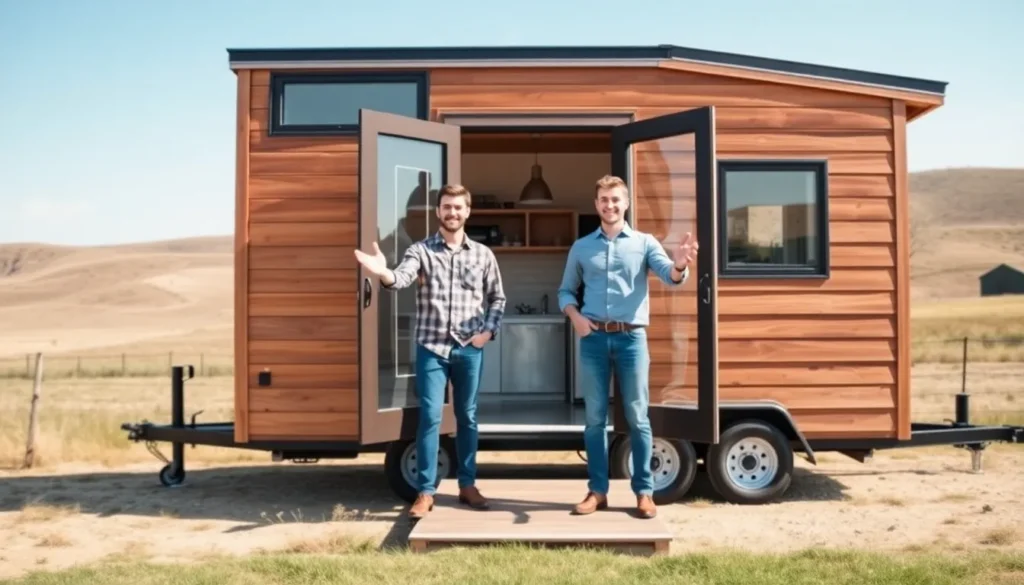
Tiny homes for beginners represent a growing movement in affordable, sustainable living. These compact spaces, typically under 400 square feet, offer freedom from excessive mortgage payments and cluttered lifestyles. The tiny home trend has grown by over 60% in the past decade, attracting first-time buyers, retirees, and minimalists alike. This guide covers everything new enthusiasts need to know about tiny homes, from basic definitions to practical steps for getting started.
Table of Contents
ToggleKey Takeaways
- Tiny homes for beginners offer an affordable entry into homeownership, costing between $30,000 and $60,000 compared to the $400,000 median price for traditional homes.
- Before purchasing a tiny home, research your local zoning laws since regulations vary significantly by jurisdiction and can affect where you can legally place your home.
- Choose from four main tiny home types: houses on wheels (THOWs), foundation-built structures, converted containers or buses, and prefabricated models for easier setup.
- Tiny homes produce about 2,000 pounds of CO2 annually versus 28,000 pounds for average homes, making them an eco-friendly housing option.
- Set a realistic budget that includes land costs, utility hookups, permits, and furnishings—expenses beginners often underestimate.
- Consider a trial rental period before committing to tiny home living to ensure the lifestyle suits your needs and relationships.
What Is a Tiny Home?
A tiny home is a residential structure that measures between 100 and 400 square feet. These homes prioritize efficient use of space over square footage. They come in various forms, including mobile units on wheels and permanent foundations.
Tiny homes differ from traditional houses in several key ways. They require less building material, consume less energy, and cost significantly less to maintain. Most tiny homes include a sleeping area, kitchen, bathroom, and living space, all within a footprint smaller than a typical master bedroom.
The tiny home movement started gaining momentum in the early 2000s. It accelerated after the 2008 housing crisis when people sought alternatives to expensive mortgages. Today, tiny homes for beginners serve as primary residences, vacation properties, guest houses, and rental units.
Zoning laws define tiny homes differently across jurisdictions. Some areas classify them as accessory dwelling units (ADUs), while others treat them as recreational vehicles. Understanding local regulations is crucial before purchasing or building a tiny home.
Benefits of Living in a Tiny Home
Tiny homes offer substantial financial advantages. The average tiny home costs between $30,000 and $60,000, a fraction of the $400,000 median price for traditional homes in the United States. Monthly expenses drop dramatically with reduced utility bills, lower property taxes, and minimal maintenance costs.
Environmental benefits make tiny homes attractive to eco-conscious buyers. These structures use fewer building materials and require less energy for heating and cooling. Many tiny home owners incorporate solar panels, composting toilets, and rainwater collection systems. A typical tiny home produces about 2,000 pounds of CO2 annually, compared to 28,000 pounds for an average American home.
Tiny homes for beginners also encourage intentional living. Limited space forces residents to evaluate their possessions and keep only what matters. This decluttering process often leads to reduced stress and increased focus on experiences over material goods.
Mobility represents another significant benefit. Tiny homes on wheels allow owners to relocate without selling property. This flexibility appeals to remote workers, travelers, and those who value geographic freedom.
Types of Tiny Homes to Consider
Tiny Houses on Wheels (THOWs)
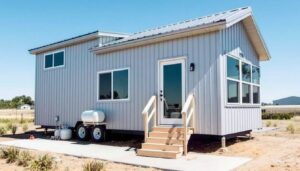
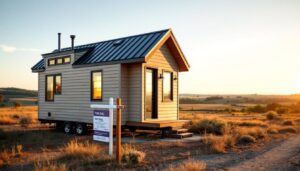
These mobile structures sit on trailers and can be towed to different locations. THOWs typically range from 100 to 300 square feet. They bypass many building codes because they’re classified as vehicles in some areas. But, finding legal parking spots can be challenging.
Foundation-Built Tiny Homes
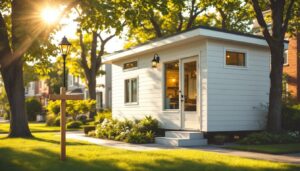
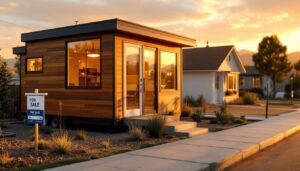
Permanent tiny homes sit on concrete or pier foundations. They must meet local building codes, which often require minimum square footage. These structures appreciate in value like traditional real estate and qualify for conventional mortgages.
Converted Structures
Shipping containers, buses, and vans can become tiny homes with proper modification. Container homes cost between $15,000 and $50,000 depending on customization. Bus conversions, known as “skoolies”, offer unique layouts and road-ready mobility.
Prefabricated Tiny Homes
Factory-built tiny homes arrive ready for assembly or fully constructed. Companies like Tumbleweed, Escape, and Amazon’s catalog offer various models. Prefab options reduce construction time and often cost less than custom builds. Beginners interested in tiny homes frequently choose this route for its simplicity.
Essential Steps to Getting Started
Step 1: Define Your Goals
Determine why a tiny home fits your lifestyle. Some people prioritize financial freedom, while others want environmental sustainability or location flexibility. Clear goals help guide decisions about size, type, and features.
Step 2: Research Local Regulations
Zoning laws vary significantly by location. Check with your city or county planning department about tiny home regulations. Some areas welcome tiny homes, while others restrict or prohibit them entirely. This research prevents costly legal problems later.
Step 3: Set a Realistic Budget
Tiny homes for beginners cost anywhere from $10,000 for a DIY project to $150,000 for a luxury custom build. Factor in land costs, utility hookups, permits, and furnishings. Many buyers underestimate these additional expenses.
Step 4: Choose Your Path
Decide whether to buy prefab, hire a builder, or construct it yourself. Each option has trade-offs in cost, time, and customization. First-time tiny home owners often benefit from prefab or professional builds.
Step 5: Find Your Location
Secure land or a parking spot before finalizing your tiny home purchase. Options include buying rural land, renting space in a tiny home community, or parking on family property. Location affects utility access, legal status, and daily convenience.
Common Challenges and How to Overcome Them
Limited Storage Space
Tiny homes require creative storage solutions. Built-in furniture, vertical shelving, and multi-purpose items maximize available space. Many tiny home residents adopt a “one in, one out” policy for possessions. Regular decluttering sessions prevent accumulation.
Zoning and Legal Issues
Many municipalities lack clear tiny home regulations. Work with local officials to understand requirements. Join tiny home advocacy groups that push for favorable legislation. Some owners choose locations with established tiny home communities to avoid legal gray areas.
Financing Difficulties
Traditional mortgages rarely cover tiny homes, especially those on wheels. Alternative financing options include personal loans, RV loans, and builder financing. Some buyers save cash to avoid interest payments entirely. Credit unions sometimes offer better terms than large banks for tiny home purchases.
Relationship Strain
Sharing a tiny home tests relationships. Couples and families need honest conversations about space expectations before committing. Many tiny home owners recommend trial periods, renting a tiny home for a week helps determine compatibility with small-space living.
Resale Concerns
The tiny home market remains smaller than traditional real estate. Selling a tiny home can take longer and may not yield significant appreciation. Buyers should view tiny homes as lifestyle choices rather than investments.