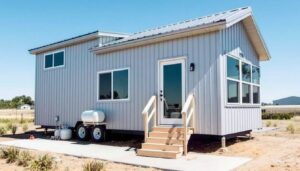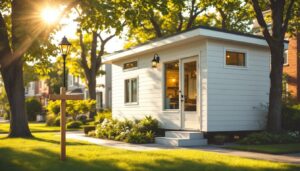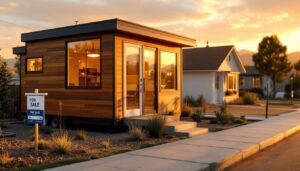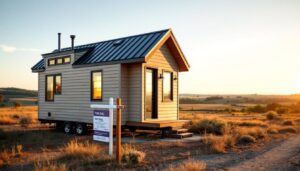
Tiny homes ideas have captured the imagination of homeowners, minimalists, and eco-conscious buyers alike. These compact dwellings prove that square footage doesn’t define quality of life. With smart design choices, a 400-square-foot home can feel as functional as one three times its size.
The tiny home movement continues to grow in 2025. More people want affordable housing, lower environmental impact, and freedom from excess possessions. But living small requires creative thinking. Every inch matters. Every design decision counts.
This guide explores practical tiny homes ideas that maximize comfort without sacrificing style. From clever layouts to outdoor living spaces, these strategies help small homes deliver big results.
Table of Contents
ToggleKey Takeaways
- Open-concept layouts and vertical space utilization are essential tiny homes ideas that make compact spaces feel larger and more functional.
- Built-in storage, hidden compartments, and the one-in-one-out rule keep tiny homes organized and clutter-free.
- Multi-functional furniture like Murphy beds, drop-leaf tables, and modular seating maximizes every square foot.
- Outdoor living spaces such as decks, patios, and container gardens effectively extend your tiny home’s usable area.
- Eco-friendly features including solar panels, composting toilets, and sustainable materials reduce costs and environmental impact.
- Strategic zoning with rugs, lighting, and level changes creates the perception of separate rooms without adding walls.
Space-Saving Layout Strategies
The foundation of any successful tiny home starts with its layout. Smart floor plans create flow and prevent that cramped feeling that plagues poorly designed small spaces.
Open-Concept Living
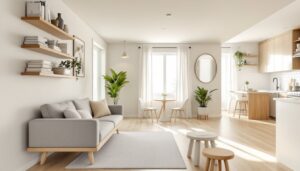
Open floor plans work wonders in tiny homes. Removing unnecessary walls between the kitchen, living area, and dining space creates visual breathing room. The eye travels farther, making the entire home feel larger.
Many tiny homes ideas center on combining functions within single zones. A kitchen island doubles as a dining table. The living room flows directly into a home office nook. These hybrid spaces eliminate wasted square footage.
Vertical Space Utilization
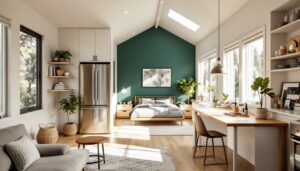
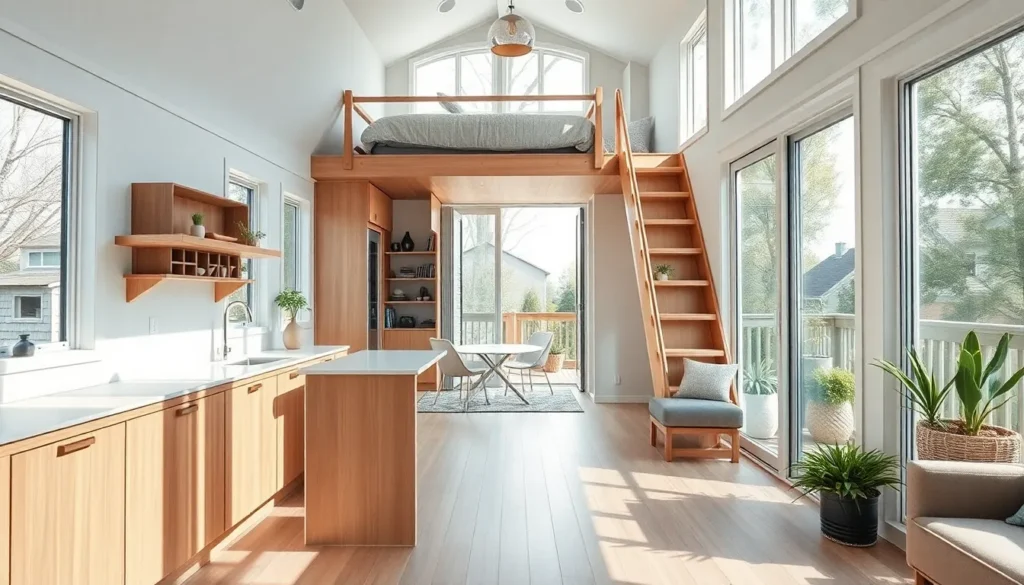
Tiny home owners often forget to look up. Vertical space offers tremendous opportunity. Loft bedrooms represent one of the most popular tiny homes ideas because they free up the main floor for daytime activities.
High ceilings, even 10 to 12 feet, transform a small footprint. They allow for:
- Sleeping lofts accessed by ladders or compact stairs
- Floor-to-ceiling storage systems
- Hanging plants and decorative elements that draw the eye upward
Strategic Zoning
Even in 200 square feet, distinct zones matter. Use area rugs, lighting changes, or slight level variations to define spaces. A person’s brain registers these subtle cues and perceives separate “rooms” even without walls.
Innovative Storage Solutions
Storage makes or breaks tiny home living. Without smart solutions, clutter accumulates fast. The best tiny homes ideas treat storage as architecture, not afterthought.
Built-In Storage Throughout
Custom built-ins maximize every awkward corner. Stairs with pull-out drawers in each step provide substantial storage without consuming additional floor space. Benches with hinged seats hide blankets, games, or seasonal items.
Wall-mounted cabinets should extend to the ceiling. That top shelf might require a step stool, but it holds items used only occasionally, holiday decorations, luggage, or extra linens.
Hidden Compartments
Some of the cleverest tiny homes ideas involve hiding storage in plain sight. Raised platforms create entire rooms of concealed space beneath. A bedroom platform might contain an entire wardrobe system underneath.
Other hidden storage options include:
- Toe-kick drawers beneath kitchen cabinets
- False walls with shallow shelving
- Ottoman cubes that open for interior storage
- Magnetic knife strips and wall-mounted spice racks
Decluttering as Design
Honest assessment matters here. Tiny home living demands regular purging. The one-in-one-out rule helps maintain balance. For every new item that enters, something else leaves. This discipline keeps storage systems functional rather than overflowing.
Multi-Functional Furniture Essentials
Furniture in tiny homes must earn its place. Single-purpose pieces rarely make the cut. The smartest tiny homes ideas rely on furniture that transforms, folds, or serves multiple needs.
Convertible Beds
Murphy beds remain a classic solution. Modern versions include attached desks or shelving that fold down when the bed deploys. During the day, the bedroom becomes a full home office or living space.
Sofa beds have improved dramatically. High-quality models now offer genuine mattress comfort rather than the lumpy compromises of decades past. For guests or studio-style tiny homes, they provide essential flexibility.
Expandable Tables
Drop-leaf tables, nesting tables, and wall-mounted fold-down surfaces adapt to changing needs. A two-person breakfast table expands for dinner parties. A compact desk folds flat against the wall when work ends.
Modular Seating
Modular furniture pieces rearrange for different occasions. Cube ottomans become extra seating, coffee tables, or footrests. Sectional components separate for cleaning or reconfigure based on guest count.
Look for furniture with built-in storage whenever possible. A bed frame with drawers underneath. A coffee table with interior compartments. These dual-purpose pieces represent some of the most practical tiny homes ideas available.
Outdoor Living Extensions
Smart tiny home owners don’t stop at their walls. Outdoor spaces effectively expand livable square footage without expanding the building itself.
Decks and Patios
A well-designed deck can double a tiny home’s functional space during good weather. Outdoor cooking areas, dining spaces, and lounging zones extend daily living beyond the interior walls.
Covered porches add three-season rooms in many climates. With proper screening, they provide bug-free relaxation spaces from spring through fall.
Container Gardens
Even without land, container gardens bring nature close. Vertical garden walls grow herbs, vegetables, or flowers in minimal footprint. Window boxes add greenery and can provide fresh produce for cooking.
Outdoor Storage
Some items don’t belong inside tiny homes. Exterior storage sheds, weatherproof deck boxes, and covered tool areas keep bulky equipment out of precious interior space. Bicycles, kayaks, and seasonal gear store better outdoors anyway.
These tiny homes ideas treat the property as a complete ecosystem rather than focusing solely on the structure itself.
Sustainable and Eco-Friendly Features
Tiny homes naturally consume fewer resources than larger buildings. But intentional eco-friendly features amplify these benefits and often reduce ongoing costs.
Solar Power Systems
Solar panels make particular sense for tiny homes. The reduced electrical demand means smaller, more affordable solar arrays can provide complete energy independence. Many tiny home owners live entirely off-grid thanks to solar combined with battery storage.
Water Conservation
Composting toilets eliminate the need for traditional sewage systems. Low-flow fixtures reduce water consumption significantly. Rainwater collection systems provide irrigation or, with proper filtration, potable water.
Graywater recycling represents another popular option among eco-conscious tiny home builders. Water from sinks and showers gets filtered and reused for landscaping.
Sustainable Materials
The best tiny homes ideas incorporate reclaimed wood, recycled metal, and non-toxic finishes. Bamboo flooring grows rapidly and sustainably. Cork provides insulation and flooring from renewable sources.
Natural insulation materials like sheep’s wool or recycled denim reduce environmental impact while maintaining energy efficiency. These choices align tiny home living with broader sustainability goals.