One-level tiny homes are reshaping how people think about housing and lifestyle. Unlike traditional two-story designs, single-story tiny homes offer a compact footprint without the complexity of stairs, lofts, or split levels. These dwellings typically range from 400 to 800 square feet and deliver a straightforward approach to minimalist living. Whether you’re downsizing in retirement, seeking lower costs, or simply craving a simpler home to maintain, one-level tiny homes provide a practical solution that doesn’t sacrifice comfort or functionality. This guide walks you through what makes these homes special, why they’re gaining popularity, and how to design one that fits your lifestyle.
Table of Contents
ToggleKey Takeaways
- One-level tiny homes eliminate stairs and multi-story complexity while keeping living space between 400–800 square feet, making them ideal for aging in place and reducing accessibility concerns.
- Single-story designs significantly lower maintenance and utility costs—many owners report 30–50% savings compared to traditional homes—thanks to simplified HVAC, electrical, and plumbing systems.
- Smart layout strategies like open-concept design, zoning without walls, and vertical storage maximize perceived space without sacrificing comfort or functionality in one-level tiny homes.
- Light, color choices, and large windows amplify the feeling of spaciousness, while strategic furniture placement transforms compact footprints into intentional, livable environments.
- Modern minimalist, farmhouse, and prefab styles dominate one-level tiny home trends in 2026, offering affordability, quick assembly, and designs that prioritize purposeful living over unnecessary complexity.
What Are One-Level Tiny Homes?
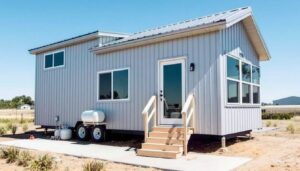
One-level tiny homes are residential structures built on a single floor without lofts, basements, or upper stories. They typically sit between 400 and 800 square feet but can go smaller. The key difference from standard tiny homes (which often stack living space vertically with lofts) is their horizontal simplicity, everything you need is accessible from ground level.
These homes come in several forms: traditional site-built houses on foundations, mobile or modular units, converted shipping containers, or prefab structures. Most one-level tiny homes use open floor plans to maximize visual space and flow. Foundation types vary: some rest on permanent concrete slabs or pilings, while others sit on trailers or adjustable piers.
The appeal is straightforward. A single floor means no stair climbing, easier cleaning, simpler plumbing and electrical runs, and no headaches from multi-level HVAC distribution. Most feature efficient layouts with combined living areas, compact kitchens, and thoughtful bedroom placement. Modern one-level tiny homes aren’t cramped, they’re intentional.
Key Benefits of Single-Story Tiny Living
Accessibility and Aging in Place
One-level designs eliminate stairs entirely, making them ideal for aging homeowners, families with mobility issues, or anyone who plans to age in place. No stair climbing means fewer fall risks and easier navigation with walkers, wheelchairs, or mobility aids. If you need universal design features, wider doorways, accessible bathrooms, grab bars, or zero-step entries, a single-story layout makes implementation straightforward and code-compliant.
Accessibility also extends to everyday convenience. Carrying laundry, groceries, or moving furniture doesn’t require hauling items up and down stairs. Guests and service providers can move easily through the home without worrying about stairs. Building codes like the International Residential Code (IRC) define specific accessibility standards, and one-level tiny homes naturally align with many of these requirements without extra retrofitting.
Lower Maintenance and Utility Costs
Single-story construction costs less to build and maintain than multi-story homes. There’s no roof complexity from multiple levels, fewer linear feet of ductwork, simplified electrical and plumbing runs, and reduced structural complications. Repairs are easier to access, no need to work from ladders at steep angles when fixing siding, gutters, or roofing.
Utility bills drop significantly. A compact, single-level footprint means less square footage to heat, cool, and light. HVAC systems can deliver even temperature distribution without fighting gravity or the inefficiencies of vertical spaces. Insulation installation is more uniform, reducing thermal bridging. One-level tiny homes also reduce material waste during construction and lower long-term maintenance costs for HVAC maintenance, roof repairs, and exterior upkeep. Many owners report 30–50% lower utility costs compared to traditional 2,000+ square-foot homes.
Design Strategies for One-Level Tiny Homes
Maximizing Space With Smart Layouts
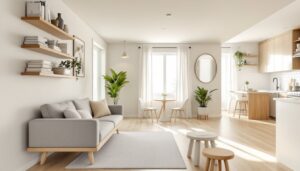
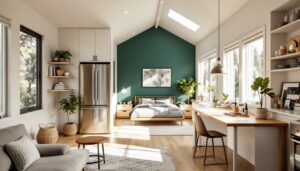
The difference between a cramped tiny home and a comfortable one often comes down to layout. Open-concept living, combining kitchen, dining, and living spaces, eliminates wall-induced visual division and makes the space feel larger. Sightlines matter: if your kitchen opens into the living area, the entire footprint reads as one cohesive space, not separate boxes.
Zoning without walls is the real trick. Use area rugs, kitchen islands, or furniture placement to define distinct zones. An island serves double duty as food prep and a visual boundary between kitchen and living areas. A compact dining table can pivot to a work surface or extra seating when needed. Experienced tiny homes strategies rely on flexible, multifunctional furniture that adapts to daily needs.
Storage integration is non-negotiable. Built-in shelving, under-bed drawers, cabinetry that spans wall-to-ceiling, and closet organizers ensure every cubic inch earns its keep. Vertical storage reduces floor clutter and maximizes usable living space. A 3-foot-wide hallway shouldn’t feel cramped if walls are lined with organized, purposeful storage.
Light and color amplify perceived space. Large windows and skylights make a 600-square-foot home feel airy. Paint colors matter too, cool neutrals and whites reflect light, while intentional accent walls add personality without overwhelming a compact footprint. Open shelving displays items like cookbooks or decorative pieces, but only if they’re intentional and organized. Random clutter reads as chaos fast in a small space.
Plumbing and electrical placement deserves upfront planning. Clustering bathrooms and kitchens minimizes costly utility runs. Placing bedrooms away from high-activity zones reduces noise transfer. Tiny homes tips often emphasize thinking through daily movement patterns before locking in wall placement, especially in open-concept designs where repositioning walls later becomes expensive.
Popular One-Level Tiny Home Styles
Modern minimalist designs dominate the one-level tiny home market in 2026. Clean lines, steel framing with large windows, and industrial-meets-cozy aesthetics appeal to younger homeowners downsizing by choice. Light wood accents, concrete or polished concrete floors, and strategic skylights create an open, gallery-like feel. These homes emphasize form following function, no wasted materials or frivolous details.
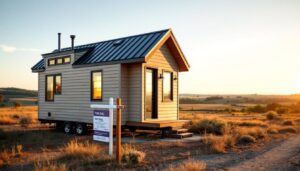
Farmhouse and cottage styles bring warmth to compact footprints. Pitched metal roofs, board-and-batten siding, and front porches add character without bulk. Interiors typically feature shiplap, open shelving for cookware, and light color palettes. This style works particularly well for one-level designs because it doesn’t demand dramatic height to feel authentic.
Containers and prefab structures are changing the game. Shipping container homes, stacked and modified, can create open, photo-worthy living spaces. Prefab tiny homes arrive with utilities pre-roughed-in and major components pre-assembled, significantly reducing on-site construction time and cost. Tiny homes trends 2026 show growing interest in modular and prefab approaches because they promise affordability and reproducibility.
Traditional cottage styles remain popular with retirees and rural downsizers. Pitched roofs, dormer windows (though less practical on single-level designs), and classic proportions evoke safety and permanence. Interiors often feature wood paneling, period fixtures, and timeless color schemes. Because one-level cottages don’t rely on lofts or height tricks, they’re easier to build and maintain historically accurate character.
Regardless of style, successful one-level tiny homes share common traits: purposeful design, honest material choices, and layouts that prioritize living comfort over flashy features. Design inspiration comes from young house love and other practical renovation communities where makers share real-world decisions and outcomes. The best one-level tiny homes reflect their owners’ actual lives, not Instagram fantasy versions.