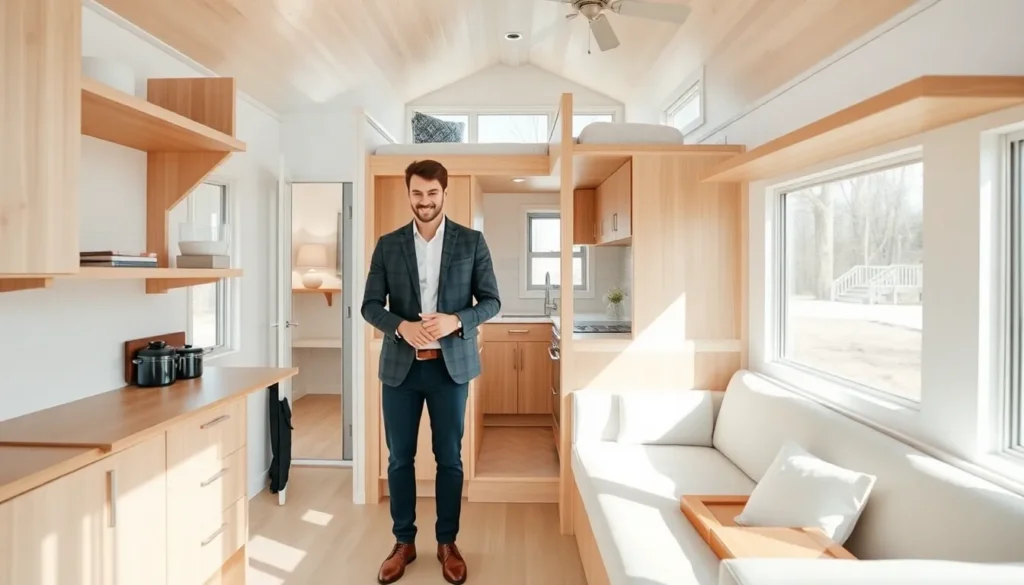
Tiny homes tips can transform a compact space into a functional, comfortable living environment. More people are choosing smaller homes to reduce costs, lower their environmental footprint, and simplify daily life. But living in under 400 square feet requires thoughtful planning.
This guide covers practical tiny homes tips that address storage, furniture, lighting, decluttering, and utility planning. Whether someone is building their first tiny home or downsizing from a larger property, these strategies help maximize every square inch. Smart choices early on prevent frustration later and create a space that feels open rather than cramped.
Table of Contents
ToggleKey Takeaways
- Smart storage solutions like vertical shelving, built-in stairs, and multipurpose furniture maximize every square inch in tiny homes.
- Multipurpose and convertible furniture—such as Murphy beds and drop-leaf tables—serve dual functions and free up valuable floor space.
- Natural light, light-colored interiors, and strategically placed mirrors make tiny homes feel larger and more open.
- Decluttering before moving in is essential; apply the one-year rule and digitize documents to reduce physical belongings.
- Plan utility systems carefully, including solar power, water storage, and composting toilets, especially for off-grid tiny homes.
- Research local zoning laws and building codes before purchasing to avoid legal complications with your tiny home.
Maximize Your Space With Smart Storage Solutions
Storage defines tiny home living. Without smart solutions, clutter takes over fast.
Use Vertical Space
Walls are prime real estate in tiny homes. Floating shelves, pegboards, and wall-mounted hooks keep items off floors and counters. Installing shelving up to the ceiling makes use of often-wasted space. Ladder-style storage works well in kitchens and bathrooms.
Build Storage Into Stairs and Platforms
Many tiny homes feature lofts for sleeping areas. The stairs leading up become perfect drawer space. Each step can hold clothes, shoes, or household supplies. Raised platforms with lift-up tops offer hidden storage beneath seating or beds.
Think Inside Furniture
Ottomans with removable lids, benches with built-in compartments, and beds with drawers underneath multiply storage without taking extra floor space. These pieces serve dual purposes, a key principle in tiny homes tips that experienced owners swear by.
Magnetic and Door-Mounted Options
The inside of cabinet doors holds spice racks, cleaning supplies, or jewelry organizers. Magnetic strips on walls store knives, tools, or metal containers. These small additions free up drawer and shelf space for larger items.
Effective storage comes from seeing potential in every surface. The ceiling, walls, stairs, and furniture interiors all offer opportunities that traditional homes ignore.
Choose Multipurpose Furniture and Fixtures
Every item in a tiny home should earn its place. Furniture that serves one purpose wastes valuable square footage.
Convertible Pieces Save Space
A dining table that folds against the wall when not in use opens up floor space instantly. Murphy beds, also called wall beds, disappear during daytime hours, transforming bedrooms into living areas. Sofa beds handle both seating and guest sleeping needs.
Drop-Leaf Tables and Expandable Desks
For those who work from home, a drop-leaf desk provides a workspace that shrinks when the workday ends. These tables extend for meals and collapse for more room. Some models mount directly to walls, eliminating floor footprint entirely.
Kitchen Fixtures That Do Double Duty
Cutting boards that fit over sinks create extra prep space. Collapsible dish racks store flat when dry. Nesting pots and stackable cookware reduce cabinet clutter.
Consider Scale Carefully
Oversized furniture overwhelms small spaces. Apartment-sized appliances, compact sofas, and narrower chairs maintain proportion. Measuring doorways and tight corners before purchasing prevents delivery-day disappointments.
Multipurpose furniture represents one of the most practical tiny homes tips because it directly addresses the space versus function challenge. Fewer items mean less to organize, clean, and maintain.
Prioritize Natural Light and Ventilation
Tiny homes feel larger with proper lighting and airflow. Dark, stuffy spaces amplify the sense of confinement.
Windows Make a Difference
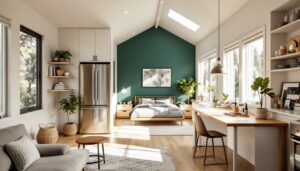
Larger windows or additional skylights bring daylight deep into the interior. Natural light reduces electricity needs and improves mood. Strategic window placement captures morning or afternoon sun depending on preference.
Light-Colored Interiors Reflect Brightness
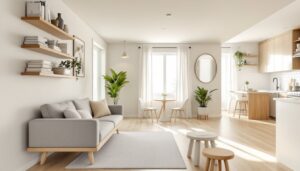
White or pale walls, ceilings, and floors bounce light around the space. This visual trick makes rooms appear bigger than their actual dimensions. Glossy finishes on cabinets and countertops enhance this effect.
Cross-Ventilation Matters
Operable windows on opposite walls allow air to flow through the home. This passive cooling reduces reliance on air conditioning. Ceiling fans or portable fans help circulate air on still days.
Mirrors Expand Visual Space
Strategically placed mirrors reflect light and create depth. A large mirror opposite a window doubles the perceived size of a room. This classic tiny homes tip costs little but delivers significant visual impact.
Good ventilation also prevents moisture buildup, a common problem in compact spaces. Mold and mildew thrive in humid, stagnant air. Opening windows regularly and using exhaust fans in kitchens and bathrooms keeps air fresh.
Simplify Your Belongings Before Moving In
Downsizing possessions is essential before moving into a tiny home. The space simply cannot accommodate typical household volumes.
Start Early
Decluttering takes longer than most people expect. Beginning months before a move allows time for thoughtful decisions rather than rushed choices. Sorting through one category at a time, clothes, books, kitchen items, prevents overwhelm.
Apply the One-Year Rule
Items untouched for a year rarely get used. Donating or selling these frees space for things that matter. Seasonal exceptions apply, but most unused items fall into the “probably won’t need it” category.
Digitize What Possible
Paper records, photos, CDs, and DVDs consume surprising space. Scanning documents and moving media to digital formats eliminates boxes of physical items. Cloud storage keeps files accessible without requiring physical room.
Quality Over Quantity
Tiny home living favors fewer, better items over many cheap ones. One excellent knife beats a drawer full of mediocre options. This philosophy extends to clothing, tools, and household goods.
The decluttering process often reveals how little people actually use most of their possessions. This realization makes tiny home living easier, and often more satisfying. Among tiny homes tips, simplifying belongings ranks as the most transformative for daily comfort.
Plan for Off-Grid or Limited Utility Options
Many tiny homes operate off-grid or with limited utility connections. Planning for these realities prevents frustration after move-in.
Water Systems Require Attention
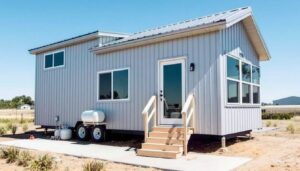
Tiny homes may use municipal connections, wells, or rainwater collection. Tank sizes determine how long water lasts between refills for mobile units. Low-flow fixtures and water-conscious habits stretch limited supplies.
Power Options Vary
Solar panels work well for many tiny homes, especially those in sunny climates. Battery banks store energy for nighttime use. Propane handles cooking and heating for off-grid setups. Understanding daily power consumption helps size systems correctly.
Composting Toilets and Alternative Waste Systems
Not all tiny homes connect to sewer lines. Composting toilets offer a waterless alternative that works surprisingly well. These units require periodic maintenance but eliminate plumbing complications and water waste.
Heating and Cooling Efficiency
Small spaces heat and cool quickly. A single mini-split system or wood stove handles most climates. Proper insulation matters more in tiny homes than in larger structures, heat loss affects comfort immediately.
Research Local Codes
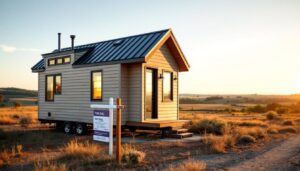
Zoning laws and building codes vary by location. Some areas welcome tiny homes while others restrict them. Checking regulations before purchasing land or a home prevents legal headaches.
These utility-focused tiny homes tips apply especially to those planning mobile or rural living. Even fixed tiny homes benefit from efficiency planning since smaller systems cost less to install and operate.