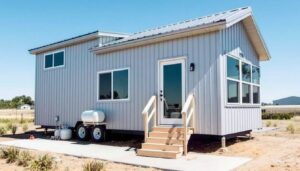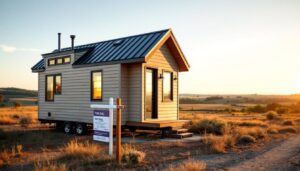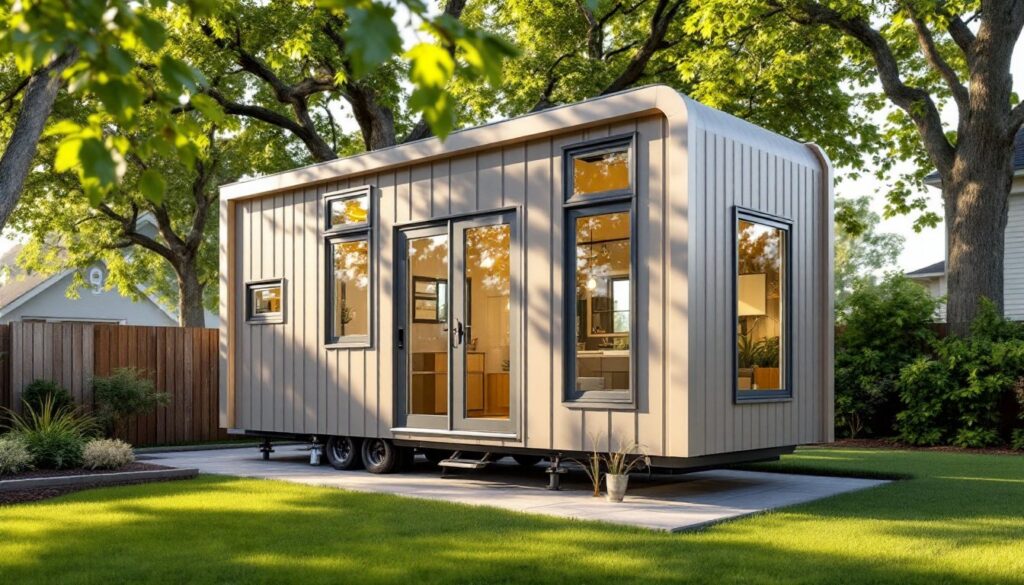
Tiny house pods have shifted from niche novelty to mainstream housing solution, attracting homeowners tired of sprawling mortgages, lengthy maintenance, and excess square footage they’ll never use. These compact, self-contained living spaces, typically ranging from 200 to 400 square feet, offer a practical answer to housing affordability, sustainability, and lifestyle simplicity. Whether you’re downsizing, looking for a backyard guest space, or exploring affordable living options, understanding what tiny house pods are and how they work is the first step toward making an well-informed choice. This guide covers the essentials: what makes them tick, how they compare to traditional homes, and how to set one up yourself.
Table of Contents
ToggleKey Takeaways
- Tiny house pods cost $40,000 to $80,000 fully equipped—significantly less than traditional homes while delivering comparable functionality and comfort.
- Proper foundation preparation, utility connections, and code compliance are essential for tiny house pods to avoid costly repairs and ensure livability.
- Energy Recovery Ventilation (ERV) systems, high R-value insulation, and triple-glazed windows are critical design features that keep heating and cooling costs 60% lower than conventional homes.
- Space-saving strategies like lofted sleeping areas, built-in storage, and multipurpose furniture transform tiny pods from cramped to comfortable without sacrificing intentional living.
- Zoning regulations are increasingly favorable to accessory dwelling units (ADUs), making tiny house pods a viable option for primary residences, guest spaces, or income-generating rentals.
- Monthly carrying costs for a tiny house pod average $450–600 compared to $2,350+ for traditional homes, delivering substantial long-term savings on mortgages, taxes, and utilities.
What Are Tiny House Pods and Why They’re Gaining Popularity
A tiny house pod is a fully equipped, standalone dwelling unit, think of it as a residential module that arrives on your property ready for occupancy. Unlike traditional RVs, these structures are permanent fixtures with full utility connections: water, sewage, electrical, and sometimes natural gas. They come in various styles, from sleek, modern metal designs to cozy barn-style pods, but all share the core principle of radical space efficiency.
The surge in popularity stems from several converging factors. Housing costs in major metros have become prohibitive for average buyers: a tiny pod costs significantly less than a conventional home yet provides full functionality. Environmental consciousness drives demand too, smaller spaces demand less energy for heating, cooling, and daily operations. Then there’s the lifestyle appeal: people are rejecting the “bigger is better” mindset in favor of intentional living with less clutter and lower monthly overhead. Also, many homeowners install tiny house pods as rental units or guest accommodations, generating income while remaining on owner-occupied land.
Building codes and zoning regulations are finally catching up, with more municipalities permitting tiny dwellings on residential lots. Some jurisdictions allow accessory dwelling units (ADUs) on single-family properties without subdivision, opening the door for these pods as secondary housing. This regulatory shift, combined with post-pandemic interest in flexible living arrangements, has made tiny house pods a legitimate option rather than a fringe experiment.
Key Features and Design Innovations to Look For
Quality tiny house pods share several hallmarks worth understanding before purchase or DIY setup. Most use structural insulated panels (SIPs) or stick-frame construction with premium insulation to achieve energy efficiency in a compact footprint. Look for high R-value insulation (R-20 or higher in walls, R-30+ in roofs) to reduce heating and cooling costs, especially if you’re in a climate with temperature extremes.
Ventilation systems are critical in tiny spaces where occupants, cooking, showers, and laundry create moisture buildup. Energy Recovery Ventilation (ERV) units exchange stale indoor air with fresh outdoor air while recovering temperature energy, far superior to passive windows or exhaust fans. Smart appliance choices matter too: convection ovens, induction cooktops, combination washer-dryers, and compact refrigerators minimize floor space while maintaining function.
Electrical systems should handle your actual load: undersized panels lead to frequent breaker trips. Most modern pods come with 200-amp service minimum, though 100-amp works for minimal usage. Plumbing requires proper P-traps, venting stacks, and greywater considerations, sloppy rough-in work causes drainage issues that are expensive to fix after walls close.
Windows deserve attention: triple-glazed or dual-pane insulated units reduce heat loss dramatically. Strategic window placement provides natural light and passive solar gain without requiring additional glass that blocks insulation value. Some designs incorporate skylights or clerestory windows to maximize daylight in tight quarters.
Space-Saving Layout Strategies
The most livable tiny pods abandon the “stuff everything in” approach and instead prioritize flow and multipurpose zones. Open-concept layouts (rather than chopped-up rooms) make compact areas feel larger and allow better air circulation. Lofted sleeping areas above kitchens or living rooms recover vertical space that would otherwise go unused.
Built-in storage beats freestanding furniture: wall-mounted shelving, under-stair cubbies, and cabinetry that extends to ceilings eliminate wasted floor area and reduce visual clutter. Sliding doors, pocket doors, or barn doors consume less swing space than traditional hinged units. Kitchen islands that double as dining tables, seating with integrated storage, and wall-mounted desks collapse multiple functions into single pieces.
Open floor plans do require acoustic treatment, sound carries in tiny spaces. Rugs, soft furnishings, and strategically placed panels help absorb echoes without requiring actual walls. Ventilation, humidity control, and moisture barriers prevent the musty-smell trap that plagues poorly maintained compact spaces. Think of the layout as choreography: every movement should have a purpose, and clutter should have a home.
Cost Comparison: Tiny House Pods vs. Traditional Housing
The sticker price advantage is real but context-dependent. A manufactured tiny house pod typically costs $40,000 to $80,000 fully equipped, whereas a conventional home in the same region might run $250,000 to $500,000+. But, raw material costs tell only part of the story.
Site preparation, foundation work, and utility connections vary wildly by location. A concrete pad might cost $2,000 to $8,000 depending on soil conditions, drainage, and local labor rates. Utility hookups, especially septic systems in rural areas, can add $10,000 to $25,000. Transport and positioning add another $3,000 to $10,000 if the pod doesn’t arrive on its own foundation. Factor these in, and your all-in cost jumps to $55,000 to $115,000.
Monthly carrying costs favor tiny pods dramatically. A $60,000 pod financed over 15 years at 6% interest costs roughly $450/month in principal and interest: property taxes on a modest-value structure run $50 to $150/month regionally. Compare that to a $350,000 home with a $1,800/month mortgage, $400 in property taxes, and $150+ in insurance.
Utility savings also matter. Annual heating/cooling for a well-insulated 300-square-foot pod might cost $800 to $1,200, versus $2,000 to $3,500 for a 2,000-square-foot conventional home. Water and sewer usage drops proportionally. Maintenance costs are lower too: there’s less roof to repair, fewer walls to paint, and less mechanical systems to fail.
Resale value is less predictable. Tiny pods in pro-tiny-living communities hold value well: a pod in a jurisdiction where zoning prohibits them may be harder to sell. Some buyers see an ADU pod as a liability (restrictions on occupancy, inheritance headaches), while others recognize the income-generation potential. Always check local zoning before investing, as your ability to occupy or rent the unit depends entirely on municipal regulations.
DIY Installation and Setup Tips
Setting up a tiny house pod yourself is achievable if you’re comfortable with basic construction, plumbing, and electrical work. Many DIYers handle foundation prep, rough utility connections, and finish details while hiring licensed professionals for final inspections and code compliance. Here’s where most DIY projects stumble: skipping prep work and underestimating the importance of a level, solid foundation.
Foundation prep is non-negotiable. A concrete pad must be level within 1/4 inch over 20 feet, poor foundation causes doors to bind, water to pool, and structural stress on the frame. Most pods require concrete with 2-inch clearance minimum from the ground for air circulation and moisture prevention. Order soil tests if uncertain about drainage: standing water leads to mold, rot, and pest issues.
Utility rough-in requires inspections at multiple stages. Water supply lines need proper slope (1/4 inch per 10 feet toward the main drain), shutoff valves, and freeze protection in cold climates. Sewer connections demand proper venting stacks and fall rate to avoid clogs. Electrical work varies by jurisdiction, some allow homeowner install with final inspection, others require licensed electricians for anything beyond 20-amp circuits. Check with your local building department first: pulling permits upfront prevents costly do-overs.
Connections and sealing prevent leaks that destroy small spaces. All roof penetrations, window frames, and door seals need quality caulk (silicone for wet areas, latex for interior drywall). HVAC ducting should be insulated if running through unconditioned spaces. ERV units require both intake and exhaust ducting to exterior, improper venting negates the efficiency gains.
Hiring help for foundation leveling, final electrical inspection, and plumbing sign-off is wise even for experienced DIYers. Mistakes in these systems are exponentially more expensive to fix after the pod is fully installed. A $500 inspector visit is cheap insurance against a $15,000 foundation rebuild or a condemnation notice.
Interior Design Ideas for Maximizing Comfort
Living small doesn’t mean living cheap or uncomfortable. Strategic design choices make a 300-square-foot pod feel spacious and welcoming. The key is intentionality: every item serves a purpose or brings genuine joy.
Color and lighting transform perception dramatically. Light, neutral wall colors reflect what little natural light exists: dark accent walls in bedrooms or bathrooms ground spaces without overwhelming them. Layered lighting, overhead fixtures, task lights, and dimmable reading lights, adapt the pod to different moods and activities. Reflective surfaces (mirrors, light-colored cabinetry, glossy finishes) bounce light around corners and create a sense of depth.
Textiles add warmth without consuming space. A quality throw rug defines zones in open layouts: soft furnishings absorb sound that would otherwise echo in tight quarters. Curtains or shades control light and privacy without bulk, unlike heavy drapes. Bedding and cushions in complementary colors create visual continuity that makes small spaces feel cohesive rather than cramped.
StorageDesigned storage transforms daily function. Vertical shelving pulls the eye upward and maximizes wall real estate. Drawer dividers, labeled bins, and a no-excess-inventory rule prevent creeping clutter. Seasonal items belong in under-bed storage or overhead cabinets: daily-use objects should be in frequent reach. Many tiny pod dwellers keep a “one in, one out” rule: a new shirt means an old one leaves, preventing accumulation over time.
Multifunction furniture is not a compromise, it’s a design strategy. A platform bed with drawers underneath, an ottoman with storage, a dining table that folds into a desk, a murphy bed in a studio, these solve layout problems while reducing footprint. Quality matters here: flimsy pieces creak, fail, and create frustration in spaces where you can’t escape the noise.
Personal touches make it home. Small artwork, plants, a good reading light, and favorite kitchenware shouldn’t be sacrificed for square footage. The best tiny pods feel curated and intentional rather than sterile or depressed. Recognize that tiny homes examples prove small spaces can deliver both function and genuine warmth. Similarly, essential tiny home tips cover the specific strategies that transform a pod from claustrophobic to cozy, and tiny homes strategies help occupants organize daily life without chaos.
Conclusion
Tiny house pods represent a realistic alternative to oversized, expensive housing that stretches family budgets and environmental limits. They demand honest planning, proper foundation, code compliance, and thoughtful design, but reward that effort with lower costs, minimal maintenance, and freedom to live intentionally. Whether as a primary residence, an ADU, or a guest cottage, a well-executed pod provides the functionality of a conventional home in a fraction of the footprint and price.