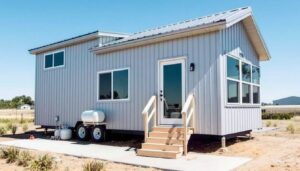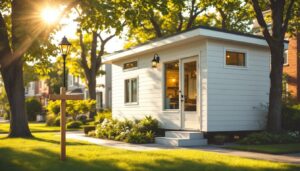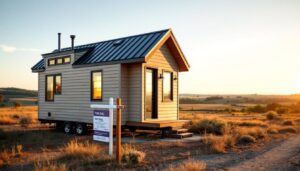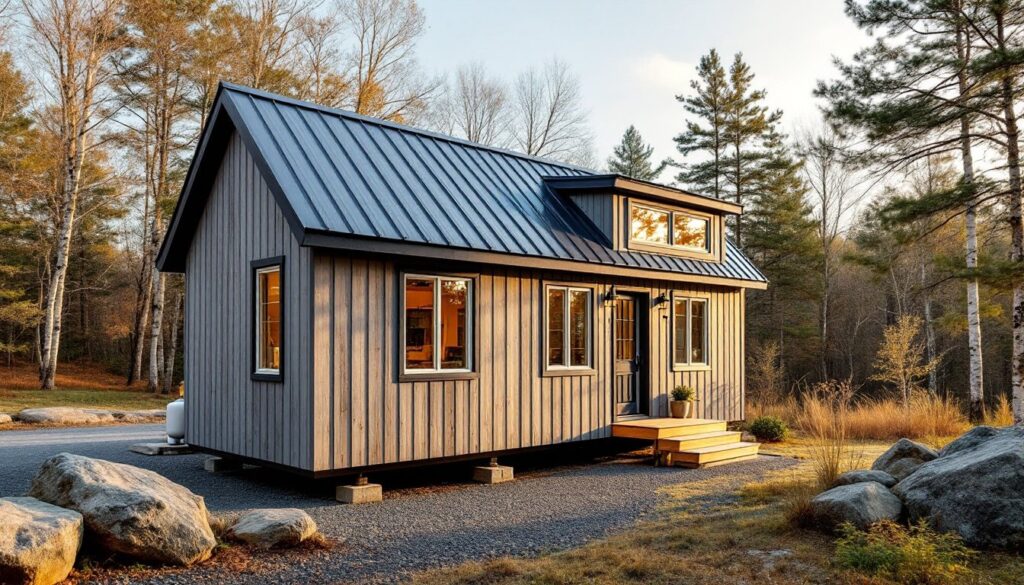
Maine’s rugged coastlines, affordable land, and tight-knit communities have made it an unexpected haven for tiny home enthusiasts. Unlike trendy hubs in California or the Pacific Northwest, Maine offers a more grounded appeal: reasonable property costs, fewer zoning restrictions in rural areas, and a genuine DIY culture that embraces hands-on homebuilding. Whether you’re drawn to Maine’s natural beauty, lower taxes, or simply want to escape the housing affordability crisis gripping most of America, tiny homes in Maine present a practical path forward. This guide walks you through the realities of downsizing in the Pine Tree State, from navigating local codes to finding land and financing your compact dream.
Table of Contents
ToggleKey Takeaways
- Tiny homes in Maine offer a practical solution to the housing affordability crisis with land costs of $15,000–$40,000 in rural areas and property taxes averaging just 1.3% of home value.
- Zoning regulations for tiny homes vary dramatically by municipality—rural and unorganized townships are far more permissive than Portland or Bangor, so always contact your town’s Planning Board directly before buying land.
- Designing for Maine’s harsh climate requires R-25 to R-35 wall insulation, R-40 to R-60 ceiling insulation, triple-pane windows, and backup heating like wood stoves or heat pumps rated for sub-zero temperatures.
- Building a tiny home in Maine costs $150,000–$250,000 all-in, but financing remains challenging; work with regional banks and credit unions like Bar Harbor Bank of Maine rather than national lenders who often reject homes under 600 square feet.
- Resale for tiny homes in Maine is slower than conventional homes, except near Portland and Bar Harbor; document all permits and energy upgrades to build buyer confidence and attract lifestyle-motivated purchasers.
- Securing homeowners’ insurance for tiny homes early is essential, as standard policies sometimes exclude structures under 400 square feet; contact specialty insurers like Tiny Home Insurance Co. before finalizing your build.
Why Maine Is Becoming A Tiny Home Hotspot
Maine’s appeal to tiny home builders stems from several concrete advantages. Land prices remain substantially lower than coastal New England neighbors, you can often find a buildable acre for $15,000 to $40,000 in rural areas, compared to $100,000+ in Massachusetts or Connecticut. The state also has a cultural affinity for owner-built housing and self-sufficiency: Maine residents respect the DIY ethos, and code enforcement in unorganized territories is minimal.
The state’s rural character means less sprawl-fighting and fewer homeowners’ association restrictions. Many Maine towns still allow accessory dwelling units (ADUs) and modest cottages on residential land without the battle you’d face in suburban Connecticut or Boston suburbs. Also, Maine’s cold climate has driven real innovation in tiny home insulation and design, builders here understand that surviving below-zero winters in 400 square feet requires serious thermal strategy, not just aesthetic minimalism.
Property taxes in Maine average 1.3% of home value statewide, and rural areas often see even lower assessments. For someone with a $180,000 tiny home on $30,000 land, annual property tax can hover around $2,700, manageable compared to similar-value homes in Massachusetts (2.1% average rate). Maine’s coastal and lake communities attract remote workers and retirees seeking quieter living without the urban cost-of-living burden. Recent migration patterns show younger families and downsize-minded professionals relocating to southern Maine towns like Portland, Brunswick, and Freeport, where tiny homes fit the lifestyle and budget perfectly.
Understanding Maine’s Tiny Home Zoning Laws
Maine’s zoning landscape varies dramatically by municipality, and this is where many tiny home dreams derail. Unlike states with blanket tiny home legislation, Maine handles zoning town-by-town. The state’s largest cities, Portland, Bangor, Augusta, have adopted more restrictive codes requiring minimum lot sizes of 20,000 to 40,000 square feet and minimum home sizes of 1,000-1,200 square feet. Building a 300-square-foot cottage on a suburban lot in Portland is nearly impossible without a variance or conditional use permit, both costly and uncertain.
Rural and unorganized townships, but, operate under different rules. Many unincorporated areas have minimal lot size restrictions, allowing you to build on 2–5 acres with far fewer bureaucratic hurdles. Towns like Stoneham, Rumford, and Madrid in western Maine enforce lighter-touch oversight. Check the specific town’s Comprehensive Plan and Land Use Ordinance: these documents define setbacks, footprint limitations, and any prohibitions on mobile or factory-built homes. Some towns explicitly ban manufactured homes, while others embrace them. Don’t assume, call the town’s Planning Board and Planning Director directly and get their feedback in writing.
Maine does not require tiny homes or ADUs to meet different code standards than conventional houses. They must still comply with the Maine Uniform Building and Energy Code (MUBEC), which mirrors the 2020 International Building Code (IBC). This means electrical systems must meet NEC (National Electrical Code) standards, roofs must handle Maine snow loads (typically 40–80 pounds per square foot depending on region), and plumbing must connect to approved septic or municipal systems. Permits are required for any foundation, electrical, plumbing, or HVAC work. Doing unpermitted work risks fines, difficulty selling, and insurance claims denials if something fails.
Finding Land And Locations For Your Tiny Home
Land hunting in Maine requires patience and specificity. Start by identifying regions that align with your priorities: coastal access (southern Maine), recreational proximity (mountain towns like North Windham), job centers (Portland metro), or pure affordability (inland rural areas). Use resources like Zillow, LandWatch, and local real estate sites to filter by price, acreage, and town. Contact local land trusts and the Maine Office of Outdoor Recreation: they sometimes have lists of underutilized properties or can recommend towns with developer-friendly cultures.
When evaluating a parcel, confirm four essentials before making an offer. First, verify that the zoning permits residential construction and specifically allows structures under 400 square feet (or whatever your footprint is). Request a copy of the town’s zoning ordinance and call the Planning Board yourself, don’t rely solely on the realtor’s summary. Second, check soil composition and septic viability. Maine’s granite bedrock and clay-heavy soils can make septic systems expensive or even impossible: a $2,000 soil test now beats a $15,000 septic failure later. Third, confirm road access is deeded or easement-guaranteed. “Road access” is worthless if it crosses neighbor property without a formal easement. Fourth, investigate utility availability: water lines, electrical service, and cell coverage vary wildly. Rural Maine often means well water, propane heat, and spotty internet, factor these into your cost and lifestyle decision.
Southern Maine towns like Standish, New Gloucester, and Windham attract tiny home builders because they’re close enough to Portland for work commutes yet retain rural character. Western Maine (Bethel, Rumford, Mexico) offers even cheaper land and spectacular mountains but demands higher heating costs and longer winters. Coastal towns command premiums, expect $40,000–$80,000 per acre near Bar Harbor, but offer unmatched scenery and four-season recreation. Your budget, job location, and tolerance for isolation should drive the choice.
Cost Considerations And Financing Options
Building a tiny home in Maine typically costs $150,000 to $250,000 from start to finish, though self-building and used components can reduce this by 20–40%. A 300-square-foot structure with basic finishes (drywall, vinyl flooring, standard fixtures, no premium appliances) runs roughly $400–$500 per square foot in labor and materials. Maine’s labor market, but, is tight, contractors are expensive, and good ones book 6–12 months out. Finding a subcontractor willing to work on a “small” project is harder than finding one for a 2,500-square-foot colonial.
Financing a tiny home is the stickiest challenge. Traditional mortgage lenders often balk at properties under $100,000 or homes under 600 square feet, viewing them as higher-risk or harder to resell. Some major lenders (Wells Fargo, Bank of America) have begun offering loans on manufactured or tiny homes, but you’ll face higher interest rates (0.5–1% premium) and stricter down-payment requirements (20–25% instead of 10–15%). Regional banks and credit unions in Maine, like Bar Harbor Bank of Maine and Rangeley Lakes FCU, are more flexible: call a few and ask about tiny home or ADU lending programs before assuming you can’t get financed.
Alternatives include construction loans (short-term, higher interest), owner financing if buying from a builder, and personal loans or HELOCs if using home equity. Many tiny home dwellers self-fund by saving aggressively, liquidating investments, or selling a previous home. Some states offer down-payment assistance or tiny home grants, but Maine currently has no dedicated program (as of 2026), though this may change as the movement grows. Budget 10–15% contingency on top of your estimate: Maine’s frost-heavy ground, wet springs, and labor delays often inflate costs.
Design And Customization Tips For Maine Climates
Designing for Maine’s climate is non-negotiable. Winter temperatures plummet to -20°F or lower, and sustained below-zero spells are normal. This demands aggressive insulation: exterior walls should target R-25 to R-35 minimum (2×6 framing with dense-pack cellulose or spray foam), ceilings R-40 to R-60, and basement/foundation areas R-15 to R-25. Metal roofing with standing seams sheds snow better than asphalt shingles and lasts 40+ years in Maine’s harsh UV and salt-air environments. Specify a roof pitch of at least 6:12 to minimize ice damming, a critical issue in Maine’s freeze-thaw cycles.
Mechanical systems must be robust. Air-source heat pumps work down to -15°F on modern units (Daikin, Mitsubishi) but often need backup resistance heating in Maine. Many builders pair mini-splits with a small wood stove as backup and psychological comfort, a 1-2 cord wood stove can supplement heat during extended cold snaps while keeping energy costs reasonable. Plumbing risers need protection or heat tape: frozen pipes wreck tiny homes fast. Insulate all exterior penetrations, duct runs, and cold walls aggressively.
Window selection matters tremendously. Specify triple-pane, argon-filled, low-E windows with U-values below 0.25. Andersen, Marvin, and Pella all make cold-climate models. Orient major windows south for passive solar gain: this simple move can reduce heating by 10–15% in a well-insulated tiny home. Avoid large north-facing glass. Ventilation is tricky: tight construction (good for heating) needs controlled air exchange, so include an Energy Recovery Ventilator (ERV) or Heat Recovery Ventilator (HRV) to prevent moisture buildup and mold, a silent killer in Maine’s damp climate.
Interior design should reflect Maine’s working aesthetic: durability over trend. Concrete or polished tile flooring withstands Maine’s wet boots and snow better than wood. Cabinetry in open-floor layouts needs smart storage: consider built-in benches with under-seat storage, wall-mounted shelving, and Murphy beds or loft sleeping areas. Maine residents appreciate practical design that works year-round, so skipping Instagram-pretty but fragile finishes keeps maintenance manageable.
Making Your Tiny Home Investment Work In Maine
Tiny homes in Maine make financial sense if you’re intentional. A $200,000 all-in investment (land, build, permits, utilities) should carry a property tax burden around $2,600–$3,200 annually on average. Heating costs depend on design, but a well-insulated 300-square-foot home with a heat pump and modest wood stove backup might run $1,200–$1,800 per winter heating season, dramatically less than a conventional 2,000-square-foot house. When you factor in lower taxes, reduced utilities, and minimal yard work, annual living costs drop significantly compared to a traditional mortgage and upkeep.
Resale is the caveat. Tiny homes appreciate slower than conventional homes in many markets, and Maine’s inventory is still small. Urban or lakefront tiny homes near Portland or Bar Harbor sell steadily, but a remote cabin-style tiny home in western Maine might sit months before finding a buyer. Document everything: all permits, inspections, upgrades, energy efficiency improvements (ERV installation, heat pump specs, insulation values). Transparency builds buyer confidence. Many tiny home buyers are lifestyle-motivated and research-heavy: they value originality and authenticity. Real Simple and other design publications have featured Maine tiny homes, and tiny homes examples show that creative, well-executed projects attract attention and premium offers.
Community matters, too. Maine has grown a network of tiny home communities and friendly towns. Joining Facebook groups, attending tiny home workshops, and connecting with local builders accelerates learning. Maine’s cooperative culture means neighbors help neighbors, and that culture is real in tiny home circles. Tiny Homes Trends 2026: outlines upcoming developments in financing, community living, and design standards that directly impact Maine buyers. Staying informed keeps you competitive when land opportunities emerge. Don’t underestimate the advantage of working with a tiny homes guide tailored to your state’s realities, generic advice from national publications misses Maine’s unique zoning, weather, and market.
One final point: insurance. Insuring a tiny home can be trickier than a conventional house. Standard homeowners’ policies sometimes exclude homes under 400 square feet or manufactured units. Contact your insurer early and ask for a quote before committing to a build. Specialty insurers like Tiny Home Insurance Co. and select regional carriers offer competitive rates if standard options fall through. Lenders require homeowners’ insurance anyway, so getting clarity upfront prevents costly surprises.
Conclusion
Tiny homes in Maine represent a genuine opportunity for those willing to navigate the state’s zoning quirks, cold climate realities, and regional financing hurdles. Land is affordable, culture favors self-reliance, and the financial math works, if you’re disciplined about design, building code compliance, and location choice. Start by talking to the Planning Board in your target town, invest in a soil test, connect with local builders, and build slowly and deliberately. Maine’s tiny home movement isn’t flashy, but it’s real, growing, and deeply rooted in the state’s values of simplicity, durability, and independence.