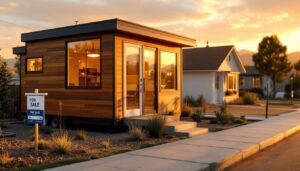
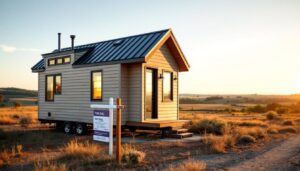
Clayton Tiny Homes has emerged as a game-changer in the housing market, offering a practical path to homeownership without the typical six-figure price tag or decades-long mortgage. These factory-built homes arrive in Alabama and beyond with modern finishes, solid construction standards, and surprisingly efficient layouts. Whether you’re a first-time homebuyer, a downsizer, or someone committed to sustainable living, Clayton’s tiny home lineup delivers real value. This guide walks you through what makes these homes tick, why they’re gaining traction, and whether one fits your lifestyle and budget.
Table of Contents
ToggleKey Takeaways
- Clayton Tiny Homes cost $50,000–$80,000 for the unit itself, roughly one-third to one-half the price of comparable site-built homes, making homeownership accessible to first-time buyers with monthly mortgage payments under $400.
- These factory-built tiny homes are engineered housing products, not camping shelters, arriving with full kitchens, bathrooms, integrated appliances, and modern amenities ready for immediate occupancy.
- Clayton tiny homes typically use 40–50% less energy than traditional 2,000-square-foot houses, with energy savings potentially totaling $10,000 or more over a 20-year lifespan.
- Before purchasing a Clayton Tiny Home, verify that your local municipality allows tiny homes on your specific lot, as zoning restrictions can render an otherwise valuable purchase worthless.
- Total move-in costs realistically range from $55,000–$105,000 when including delivery, setup, foundation, permits, and inspections, with financing options available through banks and credit unions specializing in manufactured housing.
- Tiny home living requires genuine lifestyle readiness—visit existing units, honestly assess your belongings, and consider whether your situation is temporary or permanent before committing.
What Are Clayton Tiny Homes?
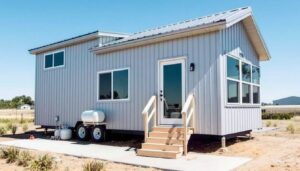
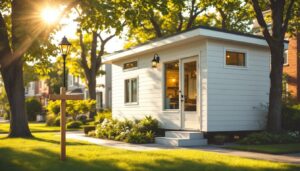
Clayton Tiny Homes are factory-built dwellings typically ranging from 300 to 500 square feet, designed with minimalist principles and modern functionality. Unlike site-built homes, these units are constructed in controlled factory settings where quality control is tighter and material waste is lower. They arrive on a trailer or chassis and are positioned on your lot, no foundation pour required in most cases, though local codes vary.
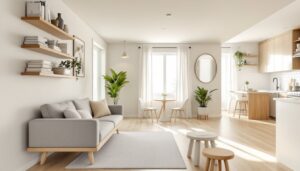
The homes feature standard modern amenities: full kitchens, full bathrooms, heating and cooling systems, and electrical wiring that meets the National Electrical Code (NEC). Most units come with hardwood or laminate flooring, integrated appliances, and thoughtful storage solutions. Walls are insulated: roofing is installed. Essentially, you’re buying a finished living space, not a shell. When Clayton delivers a tiny home to Clayton, Alabama or elsewhere, it’s ready for immediate occupancy (pending final hookups and inspections). This turnkey approach is what separates them from bare-bones trailers or DIY cabin kits, they’re engineered housing products, not camping shelters.
Why Clayton Tiny Homes Are Gaining Popularity
Affordability and Value
The primary draw is cost. A Clayton tiny home in Alabama typically runs $50,000 to $80,000 for the unit itself, roughly one-third to one-half the price of a comparable site-built home in the same region. Over 30 years, a mortgage on a $60,000 home at 6.5% interest is under $400 monthly, before taxes and insurance, compared to $1,500+ for a traditional mortgage. First-time buyers, particularly those in rural areas or smaller towns, can finally afford a place with their name on the deed.
There’s also the resale factor: tiny homes hold value better than RVs because they’re treated as real property, not depreciating vehicles. Municipalities that approve them for permanent residence recognize their legitimacy, which affects financing and buyer confidence.
Eco-Friendly Design and Sustainability
Factory construction wastes far less material than site-built homes. Offcuts are recycled: workers aren’t battling weather delays that lead to spoilage. Smaller square footage naturally means lower heating and cooling loads, Clayton homes typically use 40–50% less energy than a 2,000-square-foot traditional house. Many models include Energy Star appliances and improved insulation packages. Over a 20-year lifespan, energy savings can total $10,000 or more per home.
Water usage is also reduced: smaller bathrooms, fewer fixtures. Essential Tiny Home Tips for Comfortable and Efficient Living emphasize rainwater collection and low-flow fixtures, which compound the environmental benefit. For buyers who care about carbon footprint, Clayton tiny homes align with sustainable priorities without requiring a premium price.
Layout and Design Options to Consider
Clayton offers several floor plans within their tiny home range. Common options include:
Single-Bedroom Designs (typically 300–350 sq. ft.): One sleeping space, open-plan living and kitchen, one bathroom. Ideal for singles or couples without children. Kitchen cabinetry is usually standard hardwood or laminate: appliances (refrigerator, range, microwave, dishwasher) are compact but fully functional.
Two-Bedroom Layouts (typically 400–500 sq. ft.): A master bedroom and a smaller second bedroom (often 8’×8′ or 9’×9′), one or sometimes 1.5 bathrooms. The second bedroom works as a bedroom, office, or guest space. Living and kitchen areas remain open, though you lose some square footage compared to single-bedroom models.
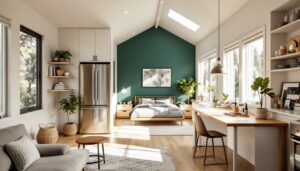
Loft or Sleeping Loft Variants: Some designs incorporate a loft above the living area, accessible via a narrow staircase. This adds sleeping space without floor-plan expansion but requires headroom and can feel tight, not ideal if you’re tall or claustrophobic.
When choosing a layout, consider your daily routine. Do you work from home (needing a separate office)? Do you host overnight guests frequently? Will a tight kitchen feel cramped, or are you comfortable with a galley setup? Tiny Homes Examples: Creative Designs for Compact Living showcase real-world configurations that help you visualize trade-offs. Storage is critical: built-in shelving, under-bed drawers, and compact closets are standard, but they won’t replicate a 3-bedroom home’s storage capacity. Honestly assess your belongings and be prepared to downsize or use external storage if needed.
Cost Breakdown and Financing Your Clayton Tiny Home
A Clayton tiny home purchase involves several line items beyond the unit price:
Unit Cost: $50,000–$80,000 (base model), depending on size and finishes. Upgrades (premium kitchen cabinets, upgraded insulation, multiple-zone HVAC) add $5,000–$15,000.
Delivery and Setup: $3,000–$8,000. Transport, unhitching, leveling, and final connection to utilities. If your lot requires land prep or grading, add another $2,000–$5,000.
Foundation or Pad: $2,000–$10,000. Some municipalities require a concrete pad: others permit a properly graded lot with concrete piers or blocks. Local codes determine this: always check before purchasing.
Permits and Inspections: $500–$2,000. Varies widely by jurisdiction.
Total Move-In Cost: Realistic range is $55,000–$105,000, depending on options and local requirements.
Financing: Conventional loans for manufactured or mobile homes exist but are less common than 30-year mortgages on site-built homes. Lenders often require a minimum credit score (typically 580+) and may charge slightly higher interest rates (0.5–1.5% above traditional mortgages). Some buyers pay cash: others finance through banks or credit unions that specialize in manufactured housing. Down payment requirements often range from 10–20%. Tiny Homes for Beginners: covers financing strategies in detail.
In Clayton, Alabama specifically, property taxes on a $60,000 tiny home assessed at that value are considerably lower than on a $250,000 site-built home, offsetting some financing costs. Always request a property tax estimate from your county assessor before committing.
Installation, Setup, and What to Expect
Delivery day is a production. A specialized hauler brings the home on a flatbed, unhitches it at your lot, and positions it on blocks or piers, typically a half-day process. Before the truck arrives, ensure your lot is prepped: driveway or road access wide enough for the rig (usually 12–14 feet minimum), electrical and water hookup points identified, and any permits posted.
Once parked, the setup crew (or third-party contractor) will:
- Level the home using adjustable jacks or piers at each corner
- Connect water supply and sewage (septic or municipal, depending on your lot)
- Connect electrical service (usually 50 or 100 amp depending on the home’s load)
- Test HVAC, appliances, and plumbing for function
- Install skirting (the cosmetic covering around the perimeter) if desired
Total setup time from delivery to occupancy-ready is typically 1–3 days, though inspections and utility approvals can extend this to 1–2 weeks.
What to Watch For: Inspect for transport damage (dents, scratches, roof leaks) before signing off. Walk through with the delivery crew and note any defects. Check water pressure and drainage immediately: test all appliances. Confirm that HVAC ducts are properly sealed, poor sealing wastes heating and cooling. Tiny Homes Techniques: Essential Building Methods for Small Space Living address long-term maintenance, but initial setup quality sets the tone for reliability.
Zoning can be a wild card. Some municipalities treat tiny homes as mobile homes (requiring a mobile home park or special zoning): others recognize them as permanent dwellings. Before purchasing, verify local zoning allows tiny homes on your specific lot. This is not optional, a $60,000 home on a lot where it’s prohibited is worthless. Check with your county planning office and review deed restrictions if applicable.
Making the Move Work for Your Lifestyle
Tiny home living isn’t just about square footage, it’s a mindset shift. You’re trading space for affordability, sustainability, and simplicity. That’s worth it only if you’re genuinely ready for it.
Visit existing Clayton tiny homes or similar units before committing. Walk the kitchen (can you cook in it comfortably?). Lie down in the smallest bedroom (does the size trigger claustrophobia?). Check closets and storage (be honest about your belongings). Read reviews from actual owners, what do they regret, and what do they love?
Consider whether your situation is temporary or permanent. A tiny home makes sense for a single person or couple for 5–10 years: if your family grows or your career demands change, you may outgrow it faster than you expect. The resale market for tiny homes is growing, but it’s still narrower than for traditional homes. In Clayton, Alabama, and similar markets, the buyer pool is enthusiasts and downsizers, not every family searching for a first home.
Alternatively, Tiny Homes: A Complete Guide to Downsized Living explores the broader tiny home ecosystem, including custom builds, RV alternatives, and strategic placement options that might better suit your long-term vision.
For design and lifestyle inspiration, Real Simple and Curbed feature tiny home tours and organization strategies that make small spaces feel spacious. Apartment Therapy focuses on creative solutions for compact living, many ideas transfer directly to a Clayton home’s kitchen or bedroom.
Final Thoughts: Is a Clayton Tiny Home Right for You?
Clayton Tiny Homes represent an honest trade: lower cost and environmental impact in exchange for less space and a niche resale market. They work beautifully for buyers who prioritize affordability, sustainability, and simplicity. They’re less suitable for families expecting significant growth, hoarders, or anyone uncomfortable with the “mobile home” label in their market.
Before signing, consult a local real estate professional and verify zoning, financing terms, and long-term property tax implications. A tiny home is still a real estate purchase, due diligence matters. Done right, a Clayton tiny home in Alabama or elsewhere delivers genuine value and opens doors to homeownership that traditional mortgages close.