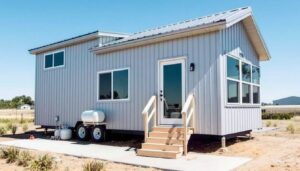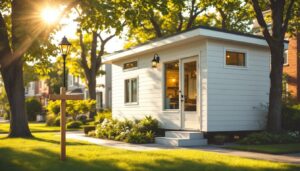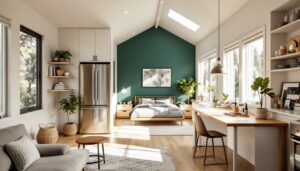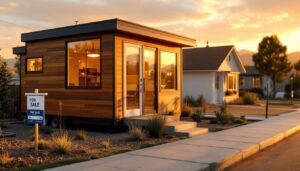
The tiny house movement has evolved beyond a niche trend, it’s now a practical housing solution for homeowners seeking affordability, sustainability, and intentional living. Two-story tiny houses for sale represent a smart compromise: they maximize square footage without sprawling across a large footprint. Whether you’re a first-time buyer, downsizing retiree, or eco-conscious family, understanding what these compact homes offer is the first step toward making an informed purchase. This guide walks you through the key features, market landscape, and practical considerations for finding your ideal two-story tiny house in 2026.
Table of Contents
ToggleKey Takeaways
- Two-story tiny houses for sale leverage vertical design to maximize usable space in a 400 square feet or smaller footprint, creating psychological separation between living and sleeping zones.
- A quality two-story tiny house typically ranges from $60,000 to $180,000, with mobile units falling in the $80,000–$120,000 range, making them a more affordable alternative to traditional homes while maintaining higher material quality.
- Before purchasing, verify local zoning regulations, foundation type (lot vs. trailer), loft ventilation and headroom, insulation quality (R-19 or better), and complete permit history to ensure safety and future resale viability.
- Financing a two-story tiny house requires early lender pre-approval and documentation of home specifications, as trailer-based or community-sited homes may require RV-style financing with higher interest rates.
- Location selection is critical—prioritize areas zoned for tiny homes, with accessibility to schools, healthcare, and employment, while researching community culture through weekday and weekend visits to existing neighborhoods.
What Makes Two-Story Tiny Houses Stand Out
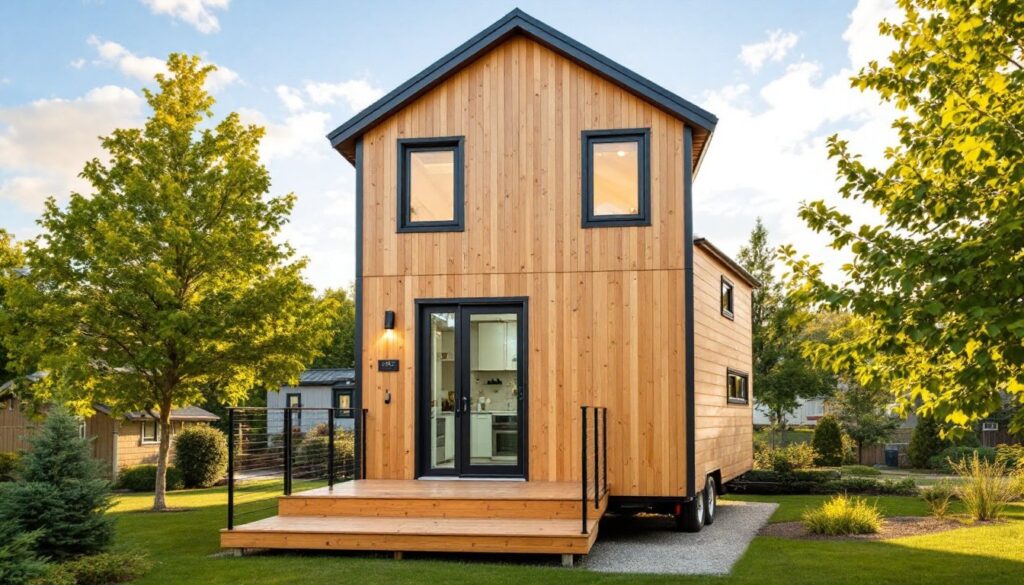
Two-story tiny houses solve a fundamental design challenge: how to live comfortably in a footprint that’s typically 400 square feet or smaller. The vertical design transforms what could feel cramped into a surprisingly livable space by leveraging height rather than width. Most models feature a main floor with kitchen, bathroom, and living area, while the second story, often accessed by a narrow staircase or ladder, serves as a bedroom loft or additional sleeping quarters.
Unlike single-story tiny homes, the two-story layout creates psychological separation between living and sleeping zones. This matters more than it sounds. A small house that keeps your bed out of sight when you’re cooking or entertaining feels substantially larger. Loft bedrooms also mean you’re not wasting usable floor space on a bedroom that takes up a quarter of your home.
When evaluating two-story tiny house listings, pay attention to how the vertical space is actually used. A poorly designed loft with 4-foot ceilings isn’t useful for much beyond storage or a mattress. Quality builds include standing headroom in the sleeping area and thoughtful access that doesn’t feel like climbing into an attic.
Space Optimization Through Vertical Design
Vertical design is the secret weapon of tiny homes. Builders maximize usable space by thinking upward instead of outward. A two-story tiny house for sale with 200 square feet per floor effectively functions like a 350-400 square foot home because wall space is distributed across two levels rather than compressing everything into one footprint.
Practical vertical optimization includes built-in storage that runs floor to ceiling, murphy beds that fold away, and shelving systems that take advantage of wall height. Some premium builds integrate sleeping niches into wall cavities, freeing up the main loft area for a workspace or lounge zone. The best designs feel open and intentional, not like a storage unit you happen to sleep in.
Height also matters for natural light and ventilation. Two-story layouts allow for more window placement without sacrificing privacy. A loft window several feet above grade-level view lines provides daylight while maintaining seclusion.
Current Market Trends and Pricing
Two-story tiny houses for sale are commanding higher price points than they did five years ago, but they still cost significantly less than traditional homes in most markets. A well-built two-story tiny house typically ranges from $60,000 to $180,000 depending on materials, location, and whether it’s built on a foundation or wheels. Mobile tiny houses with lofts and quality finishes often fall in the $80,000–$120,000 range, while high-end or custom builds can exceed $200,000.
Price variation depends heavily on whether you’re buying a completed unit, a kit, or having a custom build constructed. Off-the-lot purchases are fastest but offer less customization. Manufacturers like those featured in Tiny Homes Trends 2026: What to Expect in Compact Living have seen demand surge for models with upgraded finishes, better insulation, and smart home features.
Market dynamics in 2026 show strong buyer interest in the 300–400 square foot range. Buyers are spending more per square foot on tiny homes than traditional houses because the quality of materials and craftsmanship is higher. A $100,000 tiny house isn’t cheaper per square foot than a $300,000 traditional home, it’s a different value proposition focused on efficiency, mobility, and lower ongoing costs.
Locationally, demand peaks in affordability-challenged regions (California, Pacific Northwest, Northeast) and retirement communities in the South and Southwest. Resale markets are maturing, meaning you’re not just buying from original builders anymore, existing owners are selling well-maintained tiny homes at competitive prices.
Key Features to Look for When Buying
When you’re evaluating a two-story tiny house for sale, focus on structural and functional details that affect daily livability and longevity. Start with the foundation. Is it permanently on a lot, on a trailer, or on blocks? Each approach has code implications and affects insurance, financing, and resale value. A house on a proper foundation typically has lower insurance and mortgage costs, but you lose mobility. Trailer-based homes are portable but may have higher insurance premiums and stricter zoning restrictions.
Inspect the loft space thoroughly. Stand in it, lie on the bed, and verify headroom. Ask about ventilation, does the loft have its own window for air circulation? Poor ventilation in a loft bedroom becomes a mold and moisture problem quickly, especially in humid climates. Test the staircase or ladder access. If you’re older or have mobility concerns, a steep ladder or attic-style staircase isn’t practical long-term.
Material quality separates good tiny homes from poor ones. Check for solid wood framing versus particle board cabinetry that warps after a year. Inspect siding for gaps or poor caulking. Cheap exterior sealing means water infiltration and expensive repairs. Essential Tiny Home Tips for Comfortable and Efficient Living highlight the importance of quality construction that weathers seasonal changes.
Insulation and HVAC are critical. A poorly insulated tiny house with a single window AC unit will be miserable in summer and expensive to heat in winter. Look for R-19 or better wall insulation and a properly sized heat pump or mini-split system. Ask about utility costs from the previous owner, if heating and cooling run $200+ monthly, the envelope isn’t tight enough.
Storage capacity matters more in a tiny house than anywhere else. Count cabinets, closets, and built-in solutions. Watch out for designs where storage is an afterthought. The best builds integrate storage into the design from the ground up.
Location and Community Considerations
Where you place your two-story tiny house is just as important as the house itself. Some areas welcome tiny homes enthusiastically: others have zoning restrictions that make them impossible. Check your local zoning code before you fall in love with a property. Many jurisdictions still prohibit homes under a certain square footage or require them to be in designated tiny home communities.
Tiny home communities are growing rapidly and offer a ready-made neighborhood of like-minded residents. These range from rural land cooperatives to suburban parks with shared amenities. Community living means lower land costs, built-in social connection, and shared resources like guest parking and garden space. The trade-off is less privacy and HOA rules governing everything from paint color to vehicle type.
If you’re buying privately (not in a community), verify that the property is properly zoned for residential use and that the local building department has no objection to tiny home placement. Some rural areas are tiny-friendly: some suburban zones are hostile. Call your county zoning office, it’s a five-minute conversation that saves months of regret.
Accessibility matters too. How close is the property to schools, grocery stores, medical care, or your workplace? A tiny house saves money and space, but if you’re spending three hours commuting daily, you’ve defeated the purpose. Urban-adjacent or small-town locations work best for most buyers. Research whether the area has reliable internet if you work remotely, many tiny home buyers do.
Community culture varies widely. Some neighborhoods attract retirees downsizing: others skew toward young families or eco-conscious builders. Visit communities on weekends and weekdays to get a sense of the vibe. Talk to existing residents. They’ll tell you honestly whether utilities are reasonable, if the builder handles maintenance well, and if neighbors are genuinely friendly or just cordial.
Financing and Legal Aspects
Financing a two-story tiny house requires some navigation because traditional mortgage lenders treat them differently than conventional homes. A tiny house permanently on a foundation can often be financed like a regular home with a standard mortgage. But if it’s on a trailer or in a park setting, lenders may require RV-style financing or a personal loan, which carries higher interest rates and shorter repayment terms.
Get pre-approved before you shop. Lenders need to understand what you’re buying. Bring documentation of the home’s specifications, foundation type, and lot details. Some banks won’t finance homes under a certain square footage, so confirm this early. Credit unions sometimes have more flexibility than big banks, particularly if you’re buying a quality build.
Insurance is another critical piece. Permanently sited tiny homes use standard homeowners insurance. Mobile tiny houses may need RV or specialty tiny home policies, which can be 20–40% more expensive annually. Get an insurance quote before you commit to purchasing, it affects your true cost of ownership.
Title and ownership vary. If you’re buying land and a tiny house separately, ensure clear title to both. If buying a complete property, the title transfer works like a traditional home sale. If buying a tiny house to place on family land you already own, check your title for restrictions (covenants) that might prohibit residential structures or limit occupancy.
Permits and inspections are essential. A legitimate seller has building permits and inspection records. No permit history is a red flag, it suggests the home was built illegally or without code compliance. This matters for safety and resale. When you eventually sell, a buyer (and their lender) will want proof the house was built properly. Unpermitted construction can kill a sale or require expensive retrofitting to achieve compliance.
Work with a real estate attorney familiar with tiny homes, especially if you’re in a new community or unfamiliar jurisdiction. Tiny home legal frameworks are still evolving in some regions, and professional guidance protects you from zoning pitfalls or financing surprises. How to Build a Tiny Home: A Complete Beginner’s Guide walks through construction specifics, but buying requires its own legal due diligence.
Conclusion
Two-story tiny houses for sale offer a genuine lifestyle shift, not just a smaller building, but a different approach to living intentionally. The vertical design maximizes comfort in a compact footprint, and the market in 2026 provides legitimate options at various price points. Success comes from understanding what you’re buying, verifying quality construction, confirming local zoning approval, and securing appropriate financing. Take your time, inspect thoroughly, and don’t ignore red flags. A well-chosen two-story tiny house can deliver years of satisfaction and freedom.