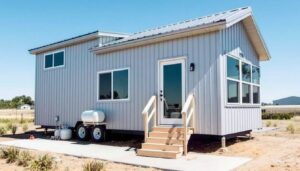
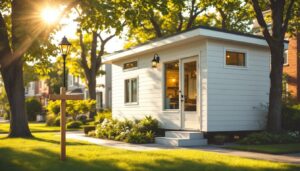
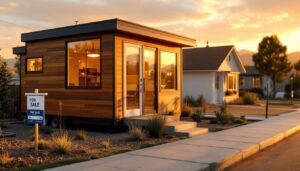
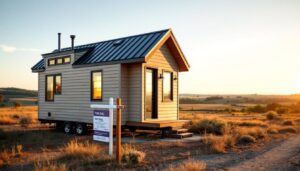
Texas has always been big on space, but a growing number of homeowners are discovering that smaller can be smarter. Tiny homes for sale in Texas are reshaping the real estate landscape, offering an affordable alternative to traditional houses while aligning with a lifestyle that prioritizes simplicity and sustainability. Whether you’re a first-time buyer, empty-nester downsizer, or someone seeking financial freedom, Texas’s thriving tiny home market presents genuine opportunities. This guide walks you through what’s available, where to find it, what it costs, and what you need to know before making the leap into compact living.
Table of Contents
ToggleKey Takeaways
- Tiny homes for sale in Texas cost 30–50% less than traditional houses while offering lower property taxes, reduced utility bills, and minimal maintenance expenses.
- Austin, Dallas-Fort Worth, and San Antonio are the top Texas markets for tiny home purchases, with prices ranging from $50,000–$200,000 depending on location and construction quality.
- Financing tiny homes requires creative solutions like specialized lenders or in-house community financing, as many conventional lenders won’t approve loans for homes under certain square footage thresholds.
- Verify local zoning laws before purchasing—Texas cities have varying regulations on minimum square footage and ADU allowances, and mobile tiny homes face stricter restrictions in many jurisdictions.
- Inspect thoroughly and calculate lifetime costs including lot rent ($200–$600 monthly in communities), as tiny home market liquidity remains niche compared to traditional housing markets.
- Test the tiny home lifestyle through visits or rentals before committing, and research your specific county’s permitting requirements and zoning codes with a real estate attorney.
Why Tiny Homes Are Growing In Texas
Texas’s tiny home boom isn’t just hype. Several practical factors are driving demand. First, housing affordability in major Texas metros, Austin, Dallas, Houston, has reached a breaking point for many buyers. A modest tiny home, typically ranging from 200 to 400 square feet, often costs 30–50% less than a traditional single-family home in the same region.
Second, property taxes and maintenance costs shrink proportionally with square footage. Lower utility bills, reduced insurance premiums, and minimal upkeep make owning a tiny home financially rational, not just ideologically appealing. Third, environmental consciousness is reshaping buyer priorities: smaller dwellings consume fewer resources and leave a lighter carbon footprint.
Finally, remote work has untethered people from urban cores. Texans can now live in smaller, more affordable communities while maintaining city salaries. Tiny homes trends 2026 are shaping a new era where quality of life no longer requires a 3,000-square-foot mortgage burden.
Where To Find Tiny Homes For Sale Across Texas
Finding tiny homes for sale in Texas means knowing where to look. Major real estate platforms, Zillow, Realtor.com, and Redfin, allow filtering by square footage, making it easier to identify sub-500-square-foot listings. Specialized tiny home marketplaces like Tiny House Listings and Noah focus exclusively on compact properties, often featuring move-on-wheels options and owner-built homes.
Local MLS searches in specific Texas markets yield results too. Many tiny home communities now have their own websites showcasing available units and move-in timelines. Don’t overlook Facebook groups and regional tiny home meetups: sellers sometimes list off-market to avoid brokerage fees.
Resources like Angi’s guide to tiny homes can help verify builders and cross-reference listings with contractor ratings. Word-of-mouth referrals from existing tiny home owners in your target area are invaluable, they’ll tell you what actually works and what builders deliver on promises.
Top Texas Markets For Tiny Home Purchases
Austin remains the epicenter. The city’s pro-innovation zoning and eco-conscious demographics created a robust tiny home community. East Austin neighborhoods and suburban areas like Buda and Kyle are seeing rapid tiny home development.
Dallas-Fort Worth is emerging fast. Suburbs like Arlington and Frisco offer new tiny home communities with modern amenities, appealing to retirees and young professionals. Houston’s southwest sprawl includes established tiny home neighborhoods, though competition for lots is increasing.
San Antonio and the Hill Country are attracting buyers seeking slower paces and lower prices. Tiny homes here often sit on larger land tracts, appealing for those wanting a homestead feel without the full acreage tax burden. Smaller cities like Wimberley and Dripping Springs offer charm and community, though inventory is tighter.
What To Expect: Pricing And Affordability
Price varies sharply depending on location, construction quality, and whether the tiny home sits on land you own or in a community lot.
In Austin metro areas, a new tiny home typically runs $90,000–$200,000, depending on finishes and smart home features. Used tiny homes or owner-built models can be cheaper, $60,000–$100,000, but may require inspection and potential repairs. Dallas-Fort Worth tiny homes average $75,000–$150,000 for new units: rural areas drop to $50,000–$90,000.
Critically, financing a tiny home isn’t always straightforward. Many conventional lenders won’t touch homes under a certain square footage or value threshold. Specialized lenders, construction loans, or cash purchases are often necessary. Some tiny home community managers offer in-house financing, which can ease the process but sometimes at higher rates.
Beyond purchase price, calculate lot rent if you’re buying into a community. Monthly community fees typically range $200–$600 for utilities, maintenance, and amenities. Over a 30-year period, that’s $72,000–$216,000 added to your total ownership cost, a detail many buyers overlook. Land-owned tiny homes eliminate this but require property tax, insurance, and full maintenance responsibility.
Key Considerations Before Buying A Tiny Home In Texas
Before signing, address practical concerns head-on.
Lifestyle fit matters more than price. Tiny homes demand downsizing possessions, embracing open-concept living, and accepting compact kitchens and bathrooms. If you have a large family, hobbies requiring workshop space, or simply love storing things, a tiny home will frustrate you within months. Test-drive the lifestyle by renting or visiting tiny home communities for a day.
Resale liquidity is real. The tiny home market is growing, but it’s still niche. Your 300-square-foot home might be harder to sell than a traditional house, and fewer buyers may be interested. This means lower resale velocity and potentially harder negotiating position down the road.
Inspect thoroughly. Tiny homes, especially used or owner-built models, often have DIY construction quality issues. Roof seals, plumbing connections, electrical systems, and trailer frames (if mobile) require professional inspection. Cutting corners on $5,000 inspections has cost people tens of thousands in repairs.
Utility efficiency isn’t automatic. Compact spaces heat and cool faster, but poor insulation, old HVAC systems, and inefficient windows can negate those gains. Ask for utility bill histories and energy audits before purchasing.
Zoning Laws And Legal Requirements
This is where many buyers stumble. Zoning laws vary dramatically by jurisdiction across Texas, and tiny homes occupy legal gray areas.
Some Texas cities welcome tiny homes in residential zones: others restrict minimum square footage or lot sizes that effectively ban them. Austin has been relatively progressive, allowing accessory dwelling units (ADUs) up to 650 square feet on single-family lots in certain zones. Dallas has relaxed regulations recently. But San Antonio, Houston, and smaller towns may still enforce outdated codes requiring 1,200+ square feet.
Mobile tiny homes face even stricter rules. Many municipalities prohibit them in residential zones outright, relegating them to RV parks or manufactured home communities. You must verify local ordinances before purchasing, ideally with a real estate attorney familiar with your specific county or city.
Permitting for tiny home construction or land placement is mandatory in most areas. Skip it and you risk fines, forced removal, or title complications. Some tiny home communities handle permitting: others leave it to buyers. Clarify this before committing.
Essential tiny homes tips and strategic planning can help you navigate regulatory hurdles, but zoning law research isn’t optional, it’s foundational.
Getting Started: Next Steps For Texas Tiny Home Buyers
Ready to move forward? Here’s a practical roadmap.
Step 1: Define Your Non-Negotiables. Budget, location, lifestyle, and timeline. Are you willing to live in a tiny home community or do you need land ownership? Can you finance creatively, or do you need conventional lending? These answers narrow your search immediately.
Step 2: Research Local Zoning. Contact your city or county planning department and ask about minimum square footage, setback requirements, and ADU allowances. A 20-minute call prevents six months of wasted effort.
Step 3: Connect With Builders and Communities. Visit three to five properties in person. Talk to current residents about real costs, unexpected expenses, and community dynamics. Smart tiny homes strategies often emerge through direct conversation with owners.
Step 4: Get Pre-Approved for Financing. Banks, credit unions, and specialized lenders have different appetite for tiny homes. Start conversations early: don’t assume your conventional lender will bite.
Step 5: Hire a Real Estate Attorney. Tiny homes involve unconventional contracts, zoning exceptions, and financing structures. An attorney familiar with your county’s regulations ensures you’re protected.
Step 6: Inspect Before Closing. Non-negotiable. Structural, electrical, plumbing, and title inspections cost money but save headaches. Resources exploring tiny homes techniques and construction standards help you ask informed questions during inspections.
Texas’s tiny home market is real, accessible, and still growing. Success hinges on doing your assignments: understanding local rules, calculating true lifetime costs, and honestly assessing lifestyle fit. Rushing through any of these steps is where buyers regret their decision.