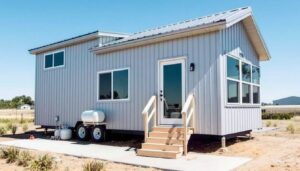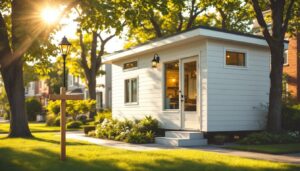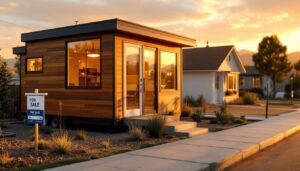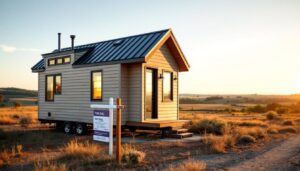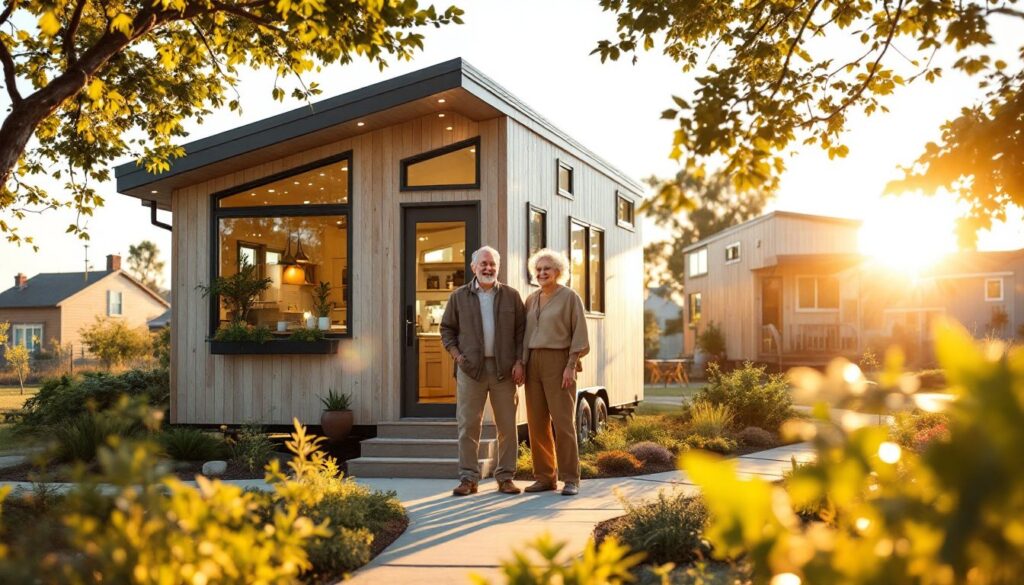
Downsizing doesn’t mean sacrificing comfort or style, it means rethinking what truly matters. For retirees, tiny homes have become a practical solution that combines financial freedom with simplified living. Rather than maintaining a large house with rising property taxes, utilities, and upkeep costs, retirees are discovering that a well-designed compact home can deliver everything they need in a fraction of the space. Tiny homes for retirees aren’t a trend: they’re a lifestyle shift that prioritizes quality of life over square footage. This guide breaks down why tiny homes work for retirement, what design features matter most, and how to navigate the purchasing process.
Table of Contents
ToggleKey Takeaways
- Tiny homes for retirees offer significant financial savings—$3,000 to $6,000+ annually in property taxes, insurance, and utilities—while drastically reducing maintenance burdens compared to traditional single-family homes.
- Essential design features like slip-resistant flooring, accessible doorways (32–36 inches wide), zero-threshold showers, and open-plan layouts ensure tiny homes are safe, functional, and suitable for aging in place.
- Tiny home purchase prices range from $40,000 to $100,000, with used options available for $25,000–$70,000, compared to $350,000+ for median homes, making them an attainable path to mortgage-free retirement living.
- Universal design principles—including grab bars, comfort-height toilets, main-floor bedrooms, and proper lighting controls—transform tiny homes into accessible spaces that accommodate mobility changes over time.
- Successful downsizing requires researching local zoning laws early, exploring diverse financing options (credit unions, alternative lenders, cash purchases), and joining intentional communities that reduce isolation and foster social connection.
- Tiny homes for retirees demand honest lifestyle assessment and emotional preparation, particularly releasing 80% of accumulated possessions and reframing downsizing as intentional, efficient living rather than deprivation.
Why Tiny Homes Are Ideal For Retirees
Retirees face a unique set of housing challenges: fixed incomes, desire to travel, and less need for extra bedrooms and garages that younger families require. Tiny homes address these concerns directly. A typical tiny home ranges from 300 to 500 square feet, roughly one-fifth the size of a standard single-family home. This reduction cuts property taxes, homeowner’s insurance, and utility bills dramatically. Someone downsizing from a 2,500-square-foot home might see annual savings of $3,000 to $6,000 or more, depending on location and climate.
Beyond finances, tiny homes simplify maintenance. There’s less roof to inspect, fewer windows to replace, and minimal exterior painting or landscaping upkeep. For retirees with limited mobility or those who’d rather spend time traveling than yard work, this reduced maintenance burden is invaluable. Also, essential tiny home tips for comfortable and efficient living focus on maximizing functionality in compact spaces, making these homes surprisingly livable and practical for long-term residence.
Social and environmental factors also appeal to retirees. Tiny home communities often foster close-knit neighborhoods where residents collaborate and support one another. Many also feature shared amenities, community gardens, workshops, common lounges, that reduce isolation. From an environmental standpoint, smaller homes have a significantly lower carbon footprint, aligning with values many retirees hold after decades of living.
Essential Design Features For Retirement Living
A tiny home built for retirees isn’t simply a scaled-down version of a standard house. Every inch must work harder, and the layout must prioritize comfort, safety, and aging in place.
Storage is non-negotiable. Built-in cabinetry, pantry pull-outs, under-stair storage, and vertical shelving keep clutter minimal and essentials accessible. Kitchen design should feature counter heights and appliance placement suited to the user’s height and mobility, no stretching for everyday items. Open-plan living areas, typically combining kitchen, dining, and living space into one zone, reduce the feeling of cramped quarters and allow retirees to move through their home with fewer obstacles.
Lighting matters. Natural light from south-facing windows (in Northern Hemisphere climates) reduces heating costs and boosts mood. Task lighting near work surfaces and ambient lighting in living areas prevent shadows and strain. Many retirees appreciate recessed or LED fixtures that don’t require frequent bulb changes.
Flooring should be slip-resistant and easy to maintain. Polished concrete, luxury vinyl plank (LVP), or matte-finish tile beats glossy surfaces and high-pile carpet in safety and practicality. Transitions between rooms should be level or feature minimal thresholds to prevent tripping.
HVAC systems in tiny homes should be efficient and quiet. A well-sealed envelope (tight insulation and minimal air leaks) combined with a properly sized heat pump or mini-split system keeps temperatures consistent without the noise of oversized units cycling constantly. This is where tiny homes techniques for essential building methods prove invaluable, construction quality directly impacts comfort and operating costs.
Accessibility And Universal Design Considerations
Accessibility isn’t optional for retirement homes: it’s essential. Universal design principles ensure a home is safe and functional whether a resident has full mobility today or uses a walker or wheelchair in the future.
Doorways should measure at least 32 inches clear width (36 inches is more comfortable). Hallways need a minimum of 36 inches: wider is better for maneuvering. Bathrooms are the critical zone, a zero-threshold shower or tub eliminates tripping hazards and allows wheelchair access if needed. Grab bars installed at stud locations provide security without relying on drywall strength alone. Toilet height should be 17 to 19 inches (standard height is 15 inches): comfort-height models are widely available and worth the modest extra cost.
Kitchen layout follows the work triangle principle, but with tighter spacing. Cabinets should allow knee clearance underneath (at least 27 inches high and 19 inches deep) so someone in a seated position can use counters comfortably. Microwave placement at waist height beats mounting them above the stove or eye level, reaching overhead strains shoulders and creates burn risk.
Stairs present challenges in tiny homes. Builders often incorporate a ship’s ladder or open tread design to save space, but these can be tricky for retirees with balance issues. If a lofted bedroom is essential, a wider staircase with handrails on both sides and deeper treads is safer than a narrow ladder. Even better: design the home with the bedroom on the main floor.
Lighting controls should use large, easy-to-manipulate switches placed at a consistent height (typically 48 inches from the floor). Motion-sensor nightlights in bathrooms and hallways prevent falls during nighttime trips.
Cost Savings And Financial Benefits
The financial case for tiny homes is straightforward but worth quantifying. Purchase price is the most obvious savings vector. A new tiny home typically costs $40,000 to $100,000 depending on build quality, location, and customization, compared to $350,000+ for a median single-family home in most U.S. markets (as of 2026). Even factoring in land (if not already owned), many retirees achieve a fully paid-off home with no mortgage stress.
Monthly operating costs drop significantly. Heating and cooling a 400-square-foot space versus 2,000 square feet yields 80% lower utility bills in comparable climates. Homeowner’s insurance scales with home value: smaller homes = lower premiums. Property taxes vary by jurisdiction, but assessed value is proportional to square footage and market value, so the reduction is substantial.
Maintenance and repair costs shrink too. A roof over 300 square feet costs far less to replace than one covering 1,500 square feet. A smaller HVAC system, shorter plumbing runs, and less exterior surface all reduce failure points and repair frequency. Over a 20-year period, this can add up to $20,000 to $40,000 in avoided costs.
But, be realistic about land and siting. A tiny home on land one already owns is a financial home run. A tiny home requiring land purchase or lot rent in a community can shift the equation. Community tiny home parks typically charge $300 to $800 monthly lot rent, which offsets some savings but still beats most mortgage payments. Tiny homes strategies for smart approaches to small-space living often address financial trade-offs and help retirees optimize their downsizing plan.
Finding And Purchasing Your Retirement Tiny Home
The tiny home market has matured significantly, offering multiple paths to ownership: new custom builds, prefab systems, used homes, and community developments.
New Custom Builds allow full control over design and finishes but require time and decision-making. A reputable tiny home builder walks you through floor plans, material selections, and modifications. Timelines typically run 4 to 8 months from contract to delivery. Cost: $50,000 to $120,000+.
Prefab and Modular Homes ship in sections and assemble on-site, reducing construction time and variability. Companies like Factory OS builders produce homes with quality control advantages and faster delivery (2 to 4 months). These still require site prep, foundation, and utility connections. Cost: $40,000 to $90,000.
Used Tiny Homes are an emerging option as early adopters age, relocate, or upsize. Platforms like Facebook Marketplace, Craigslist, and specialized tiny home listing sites connect buyers and sellers. Inspection is critical, have a home inspector familiar with tiny homes evaluate structural integrity, plumbing, electrical, and roof condition, especially if the home is on wheels or has had multiple relocations. Cost: $25,000 to $70,000.
Community Developments combine affordability with social connection. Cohousing villages and intentional communities dedicated to tiny homes are growing nationwide. These offer pre-sited homes with shared infrastructure, often reducing individual costs. Buying into a community also means vetting governance, deed restrictions, and community culture upfront.
Zoning and legal considerations vary dramatically by location. Some cities welcome tiny homes: others restrict minimum square footage or prohibit them entirely. Verify that your target location permits tiny homes before committing to land or a community. County assessor records, local zoning code, and conversations with the planning department are essential. Tiny homes trends 2026 reflect increasing legal acceptance, but location matters.
Financing a tiny home presents challenges since traditional mortgage lenders often avoid homes under 400 square feet. Personal loans, home equity lines of credit, RV loans (for mobile tiny homes), and cash purchases are common workarounds. Some credit unions and alternative lenders specialize in tiny home financing: shop around.
Common Challenges And How To Overcome Them
Downsizing to a tiny home forces tough decisions. Most people accumulate decades of possessions: moving into 350 square feet requires releasing 80% of belongings. Begin downsizing at least 6 months before the move. Categorize items as keep, donate, sell, or discard. Emotional attachments fade with time: an early start removes deadline pressure and allows thoughtful decisions.
Resale value and liquidity are legitimate concerns. Tiny homes are still a niche market. While demand is growing, the pool of buyers is smaller than for traditional homes. If you anticipate selling within 5 years, resale becomes riskier. For long-term retirees planning 20+ years of residence, this concern is less acute, but acknowledge it.
Lender reluctance is real. Banks view tiny homes as unconventional collateral. If financing is necessary, investigate credit unions, portfolio lenders (who keep loans in-house rather than selling them), and alternative lenders. Expect higher interest rates or stricter lending terms. Cash purchases or substantial down payments (50%+) improve approval odds.
Zoning restrictions remain the biggest hurdle. Some jurisdictions legally prohibit tiny homes or impose minimum square footage (often 1,000 to 1,500 square feet). Research zoning before falling in love with a design. Contact the local planning department directly: code enforcement officers provide clarity no website can match.
Family and social pressure can undermine commitment. Adult children worry about downsizing parent’s assets: friends question the lifestyle shift. Reframe the conversation: tiny homes aren’t failure or deprivation, they’re intentional, efficient living. A couple’s tiny house retirement home in Oregon showcases how thoughtful design creates a serene, functional retreat, not a compromise.
Climate control can be tricky in poorly built tiny homes. Air leaks, inadequate insulation, or undersized HVAC systems create discomfort. Invest in quality construction and proper HVAC sizing during design. A blower door test (measures air leakage) before occupancy identifies problems early.
Social isolation is possible if the tiny home sits on remote land with no community. Offset this by choosing locations near town, joining hobby groups, or selecting community-based tiny home parks that intentionally foster interaction.
Conclusion
Tiny homes for retirees represent a pragmatic shift toward intentional, affordable living without sacrificing comfort or dignity. The combination of lower costs, simplified maintenance, and social opportunity aligns perfectly with retirement priorities. Success hinges on honest self-assessment: confirm the lifestyle fits your temperament, research local zoning thoroughly, and invest in thoughtful design that prioritizes accessibility and functionality. Start exploring tiny homes vs. traditional homes to clarify your own values and priorities. The retirement years deserve a home that works for you, not against you.