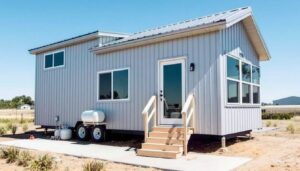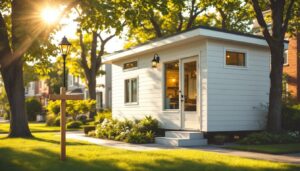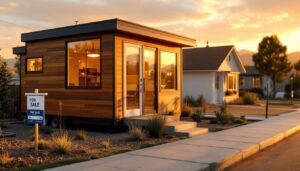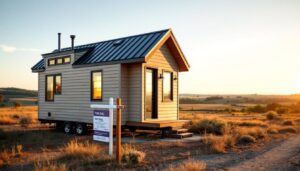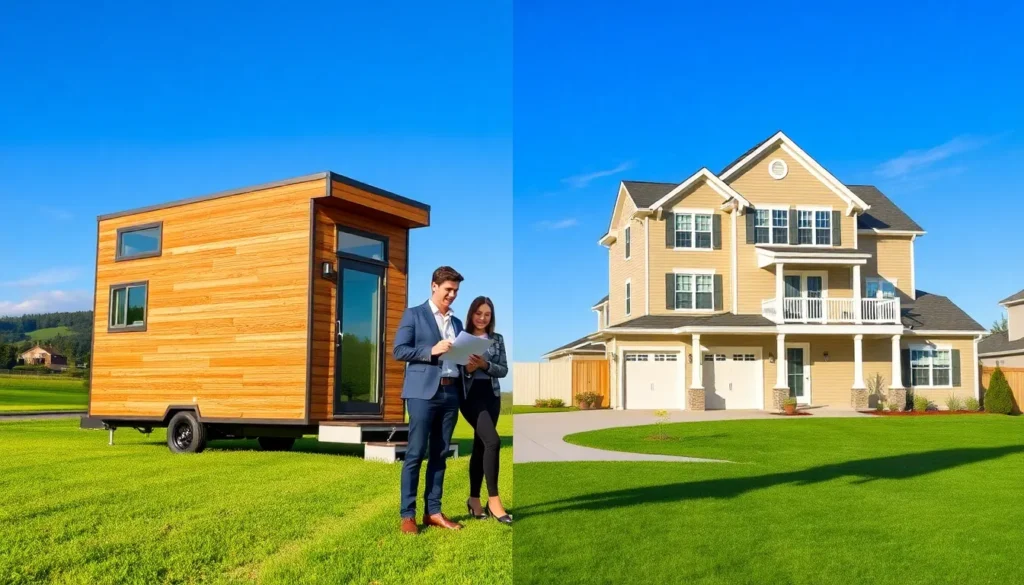
Tiny homes vs. traditional homes, it’s a debate that’s reshaping how people think about housing. Some dream of mortgage freedom and minimalist living. Others want a backyard, a spare bedroom, and space to spread out. Neither choice is universally right or wrong. The best option depends on priorities, budget, and lifestyle goals. This guide breaks down the key differences between tiny homes and traditional homes across cost, comfort, sustainability, and flexibility. By the end, readers will have a clearer picture of which path suits their needs.
Table of Contents
ToggleKey Takeaways
- Tiny homes vs traditional homes comes down to personal priorities—budget, lifestyle, and long-term financial goals all play a role.
- Tiny homes cost $30,000–$60,000 on average compared to $400,000 for traditional homes, offering significant upfront savings.
- Traditional homes build equity over time, while tiny homes may depreciate like vehicles, especially mobile units.
- Tiny homes use about 7% of the energy traditional homes require, making them a strong choice for eco-conscious buyers.
- Tiny homes on wheels provide location flexibility, but zoning laws and legal restrictions can limit where you can park full-time.
- Traditional homes offer more space, comfort, and stability—ideal for families, homebodies, and those building generational wealth.
Cost Differences Between Tiny Homes and Traditional Homes
Money drives most housing decisions. Tiny homes cost significantly less than traditional homes, both upfront and over time.
The average tiny home costs between $30,000 and $60,000. Custom builds with high-end finishes can reach $100,000 or more. Traditional homes in the U.S. average around $400,000, according to recent market data. That’s a massive gap.
Monthly expenses also differ. Tiny homes have lower utility bills, often $50 to $100 per month for electricity, water, and heat combined. A traditional home averages $200 to $400 monthly for utilities alone. Property taxes on tiny homes are minimal or nonexistent if the home sits on wheels. Traditional homeowners pay thousands annually in property taxes depending on location.
Financing works differently too. Banks rarely offer mortgages for tiny homes under 400 square feet. Most tiny home buyers pay cash or use personal loans with higher interest rates. Traditional homes qualify for 30-year mortgages with competitive rates, spreading payments over decades.
Here’s the catch: tiny homes don’t always appreciate in value like traditional homes do. A traditional home often grows equity over time. A tiny home might depreciate like a vehicle, especially if it’s mobile. Buyers should factor long-term financial goals into their decision.
For people who want to eliminate debt quickly, tiny homes offer a clear advantage. For those building generational wealth through real estate, traditional homes remain the stronger investment.
Space and Living Comfort Compared
Square footage changes everything about daily life. Tiny homes typically range from 100 to 400 square feet. Traditional homes average 2,500 square feet.
Tiny homes force residents to prioritize. Every item earns its place. Clutter isn’t an option. This appeals to minimalists who feel liberated by owning less. Others find it claustrophobic. Couples and families face real challenges, privacy becomes scarce, and storage requires creativity.
Traditional homes offer dedicated rooms for work, sleep, hobbies, and entertaining. Families can give each child their own bedroom. Home offices don’t double as kitchens. Guests have somewhere to stay.
Comfort extends beyond size. Tiny homes often feature lofted sleeping areas with low ceilings. Climbing a ladder at 2 a.m. gets old fast. Bathrooms in tiny homes feel cramped. Kitchens limit meal preparation options.
Traditional homes provide full-sized appliances, walk-in closets, and bathtubs. These features feel luxurious after spending time in tight quarters.
Some people thrive in small spaces. They spend most of their time outdoors or traveling anyway. For homebodies who love hosting dinner parties or need room for growing families, traditional homes deliver comfort that tiny homes can’t match.
The question isn’t which option is objectively better. It’s which lifestyle sounds appealing, and sustainable, for years to come.
Environmental Impact and Sustainability
Tiny homes earn praise for their smaller environmental footprint. They use fewer building materials. They consume less energy for heating and cooling. They encourage owners to consume less overall.
A typical tiny home uses about 7% of the energy a traditional home requires. That translates to lower carbon emissions and reduced strain on power grids. Many tiny homes incorporate solar panels, composting toilets, and rainwater collection systems. These features push sustainability even further.
Traditional homes require more resources to build, lumber, concrete, wiring, and plumbing for thousands of square feet. They demand constant energy input. Even energy-efficient traditional homes can’t match the minimal footprint of a well-designed tiny home.
But the picture isn’t entirely one-sided. Tiny homes often rely on propane for heating and cooking, which produces emissions. Mobile tiny homes burn fuel during transport. Some tiny home communities lack proper waste management infrastructure.
Traditional homes can incorporate green technology too. Solar panels, geothermal heating, and efficient insulation reduce environmental impact substantially. A net-zero traditional home might outperform a tiny home with outdated systems.
Location matters as well. A tiny home parked in a rural area requires a car for every errand. A traditional home in a walkable city neighborhood might have a lower overall carbon footprint even though its size.
For buyers who prioritize sustainability, tiny homes offer a head start. But conscious choices matter more than square footage alone.
Mobility and Location Flexibility
Tiny homes on wheels offer something traditional homes never can: the ability to move.
Job relocation becomes simple. Owners hook up their home and drive to the next opportunity. Seasonal living becomes possible, spend summers in the mountains and winters near the coast. This flexibility appeals to remote workers, retirees, and adventure seekers.
Traditional homes anchor owners to one location. Selling takes months and costs thousands in fees. Renting while away creates management headaches. The commitment feels permanent.
But, mobility comes with complications. Zoning laws restrict where tiny homes can legally park. Many municipalities don’t allow full-time residence in structures under certain sizes. Finding land with proper hookups takes research and sometimes compromise.
Traditional homes face fewer legal hurdles. Financing, insurance, and resale follow established processes. Buyers know what to expect.
Tiny home owners must also consider practical transport limits. Wide loads require permits. Steep mountain roads challenge underpowered tow vehicles. Some tiny homes weigh 10,000 pounds or more, not exactly easy to haul.
For people who crave location independence, tiny homes provide genuine freedom. For those who want to put down roots in a community, build equity, and avoid zoning research, traditional homes offer stability and simplicity.